Canada
 United States



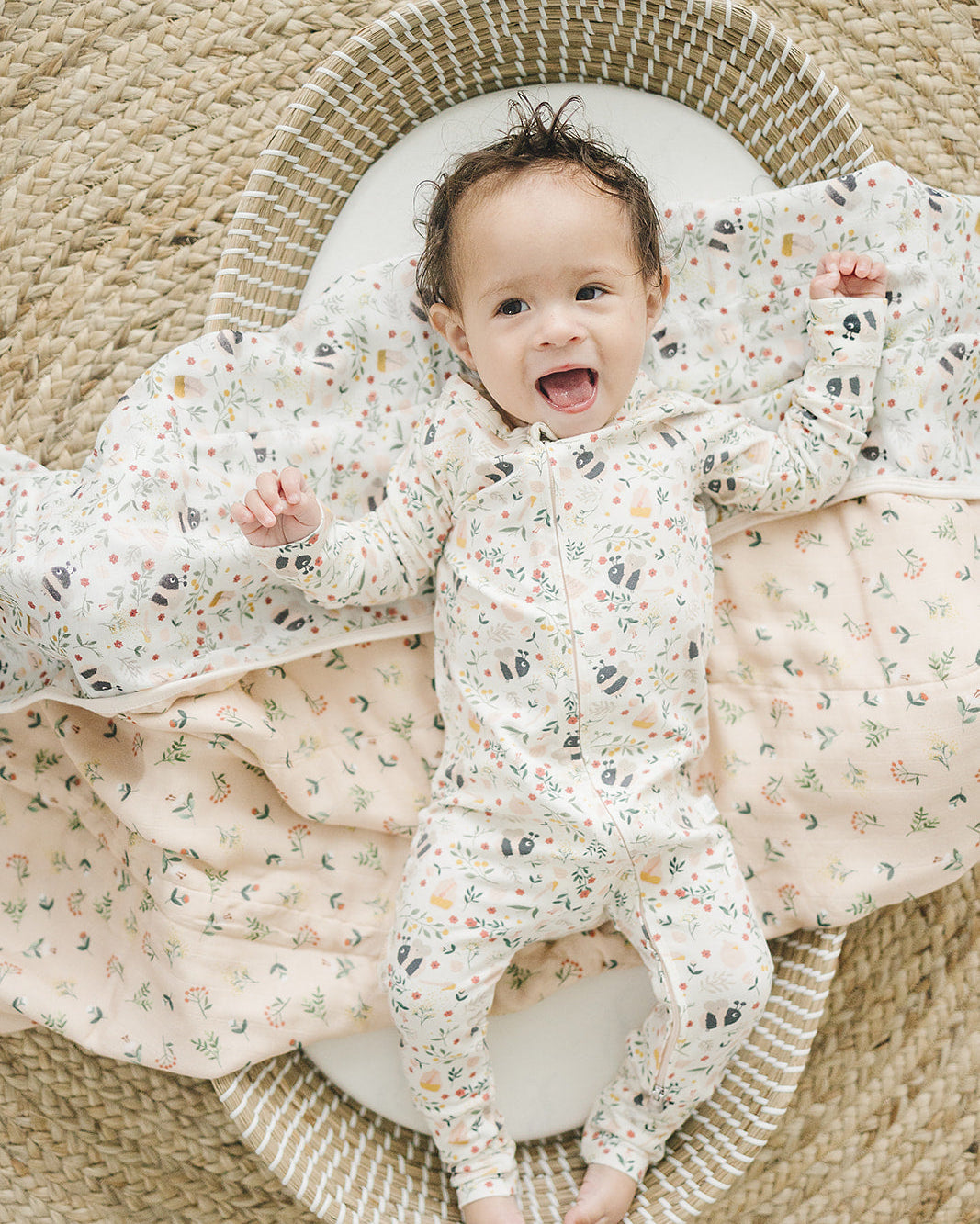
La dormeuse qui fait le travail toute la nuit


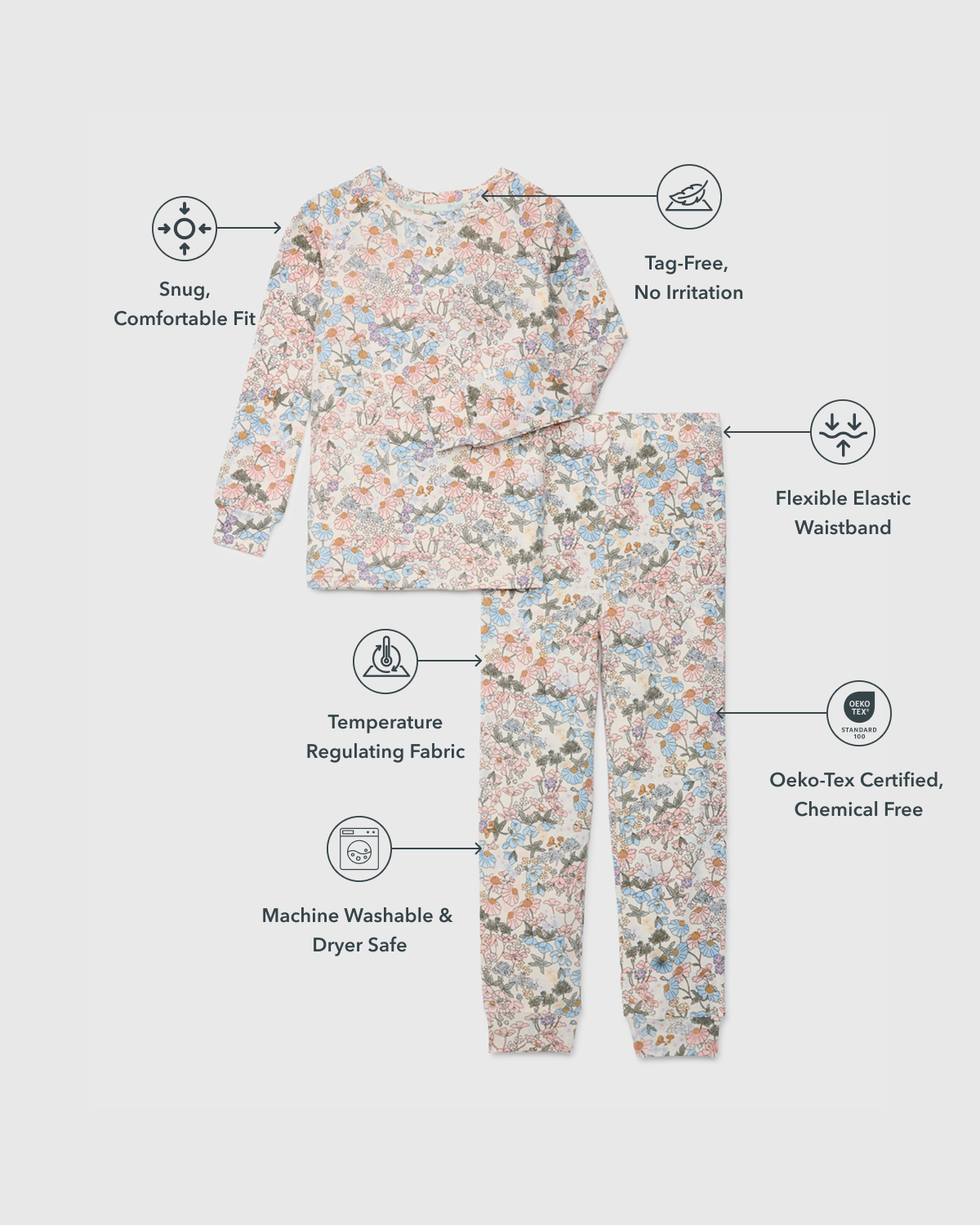
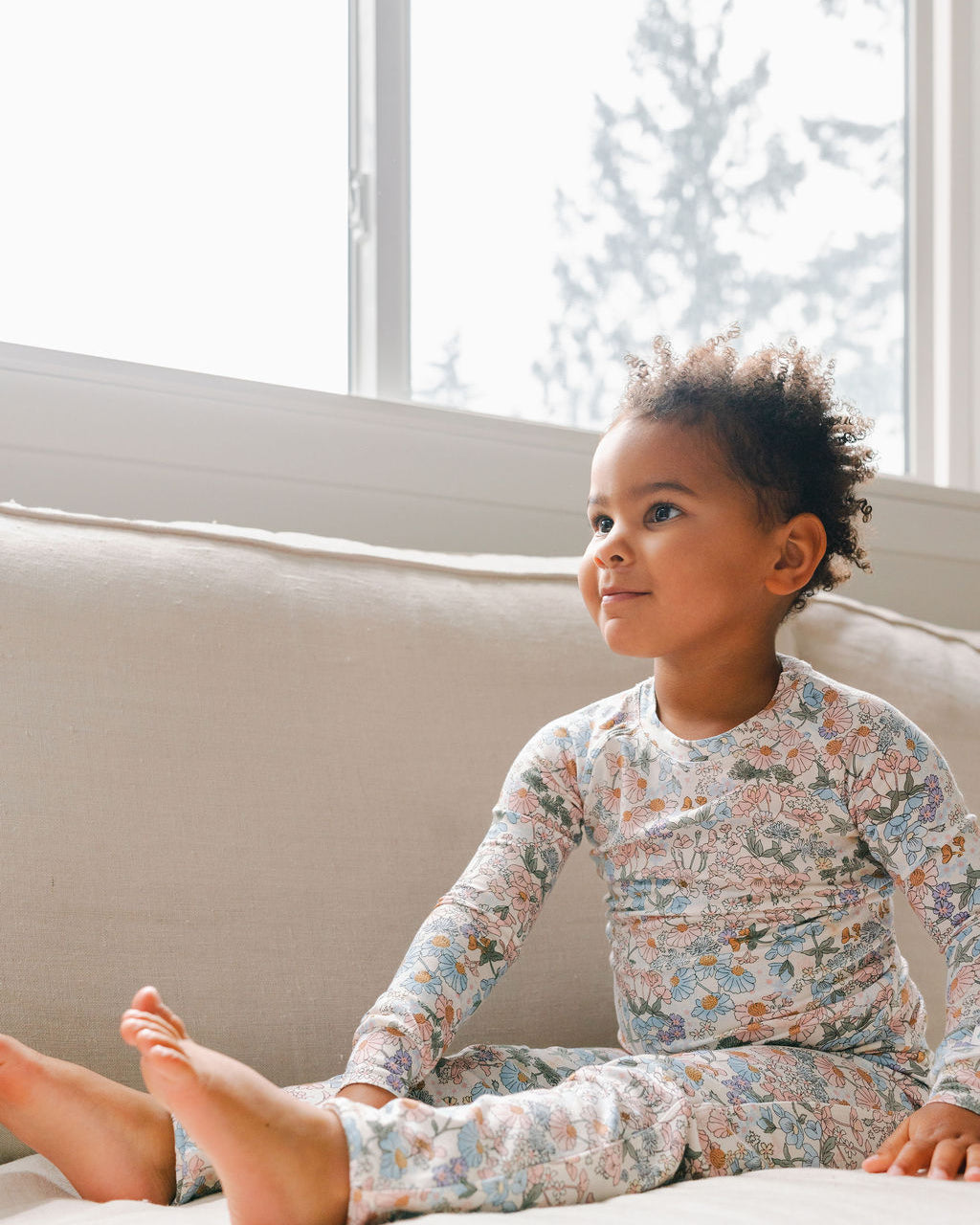
Nos dormeuses TENCEL™ sont conçues comme la couche idéale sous une gigoteuse, ou à porter seules les nuits plus chaudes.
Magasiner les dormeuses et pyjamas
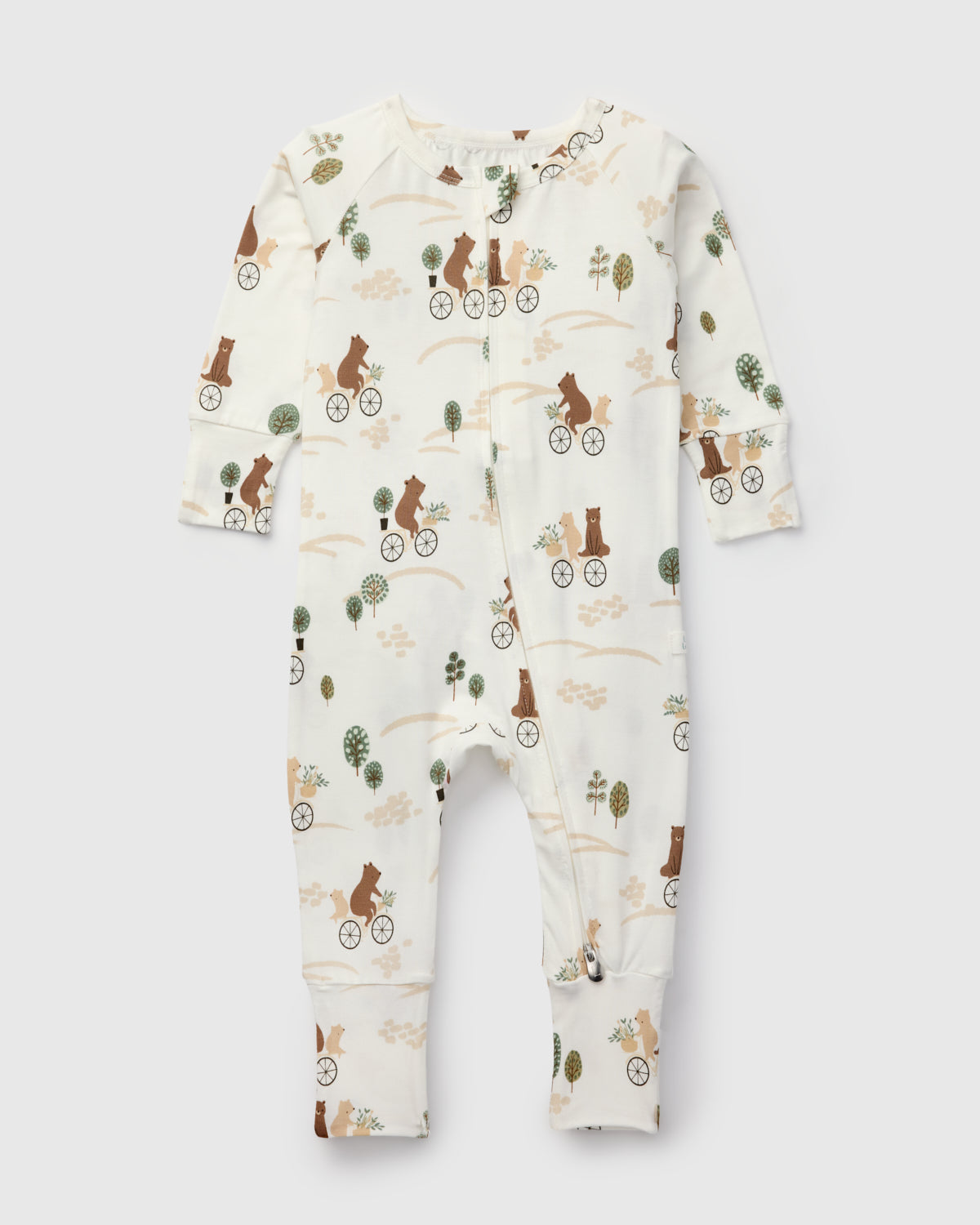
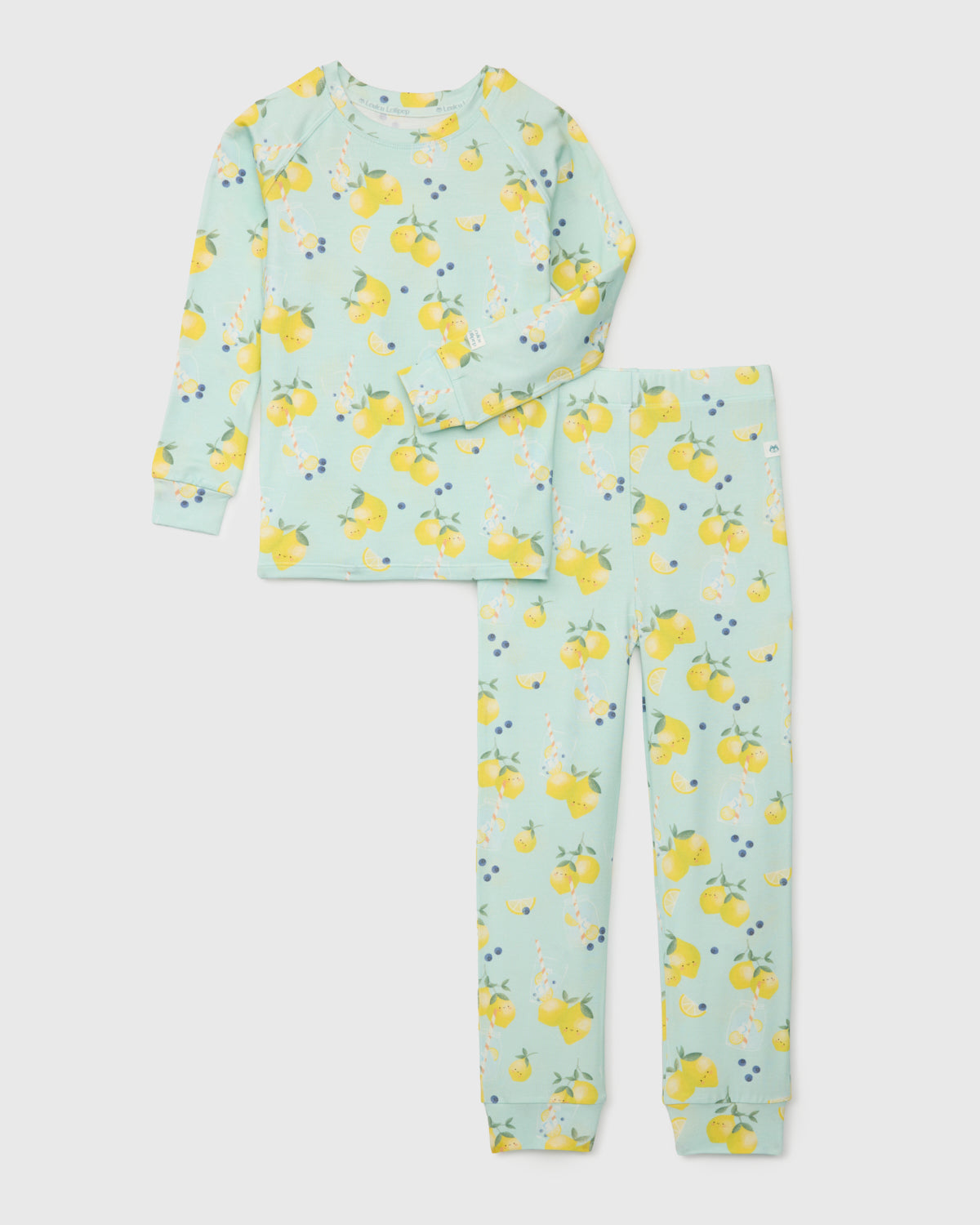
Tous les imprimés, toutes les tailles, faits de TENCEL™ Lyocell d'une douceur exceptionnelle. La couche conçue pour aller sous votre gigoteuse.
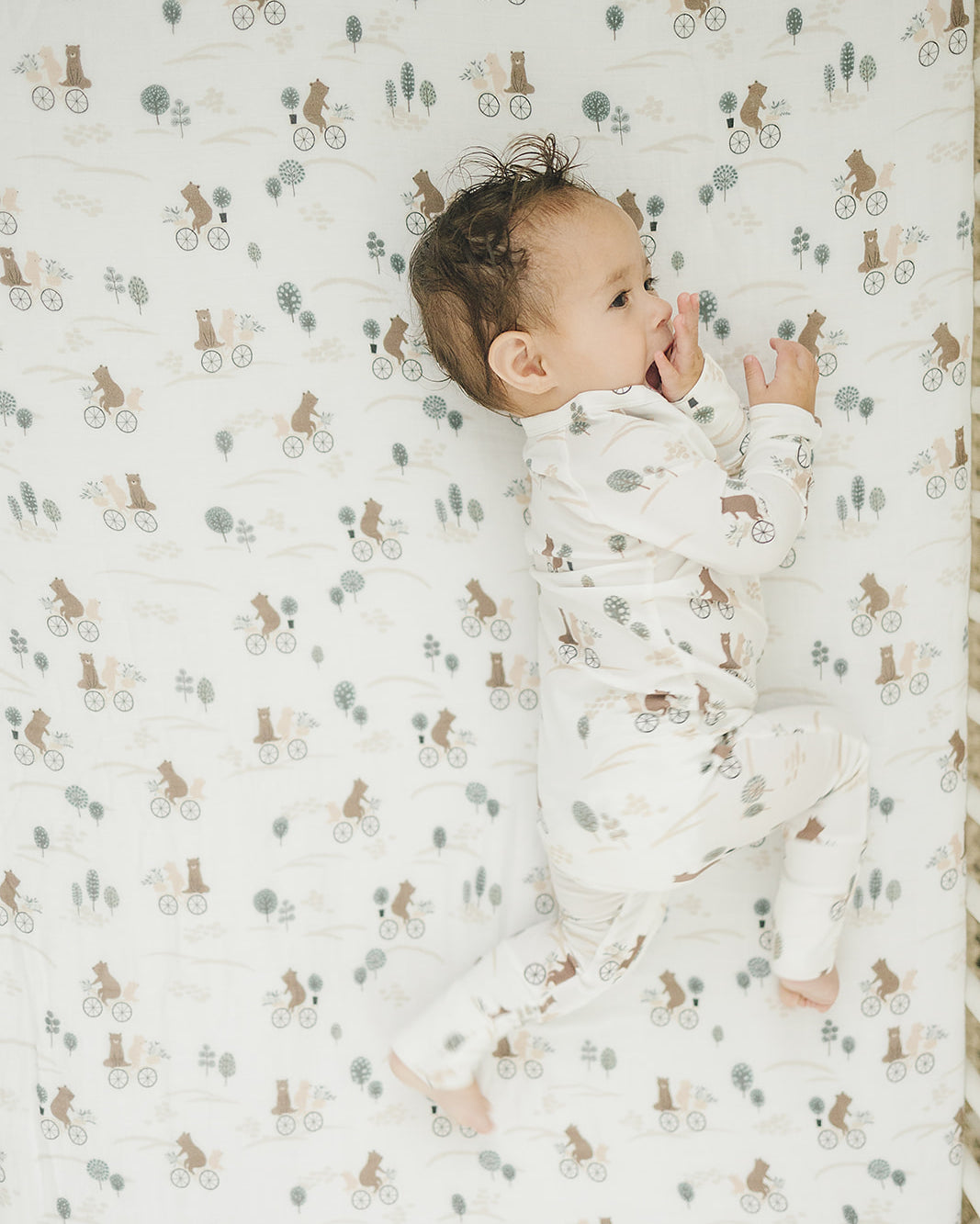


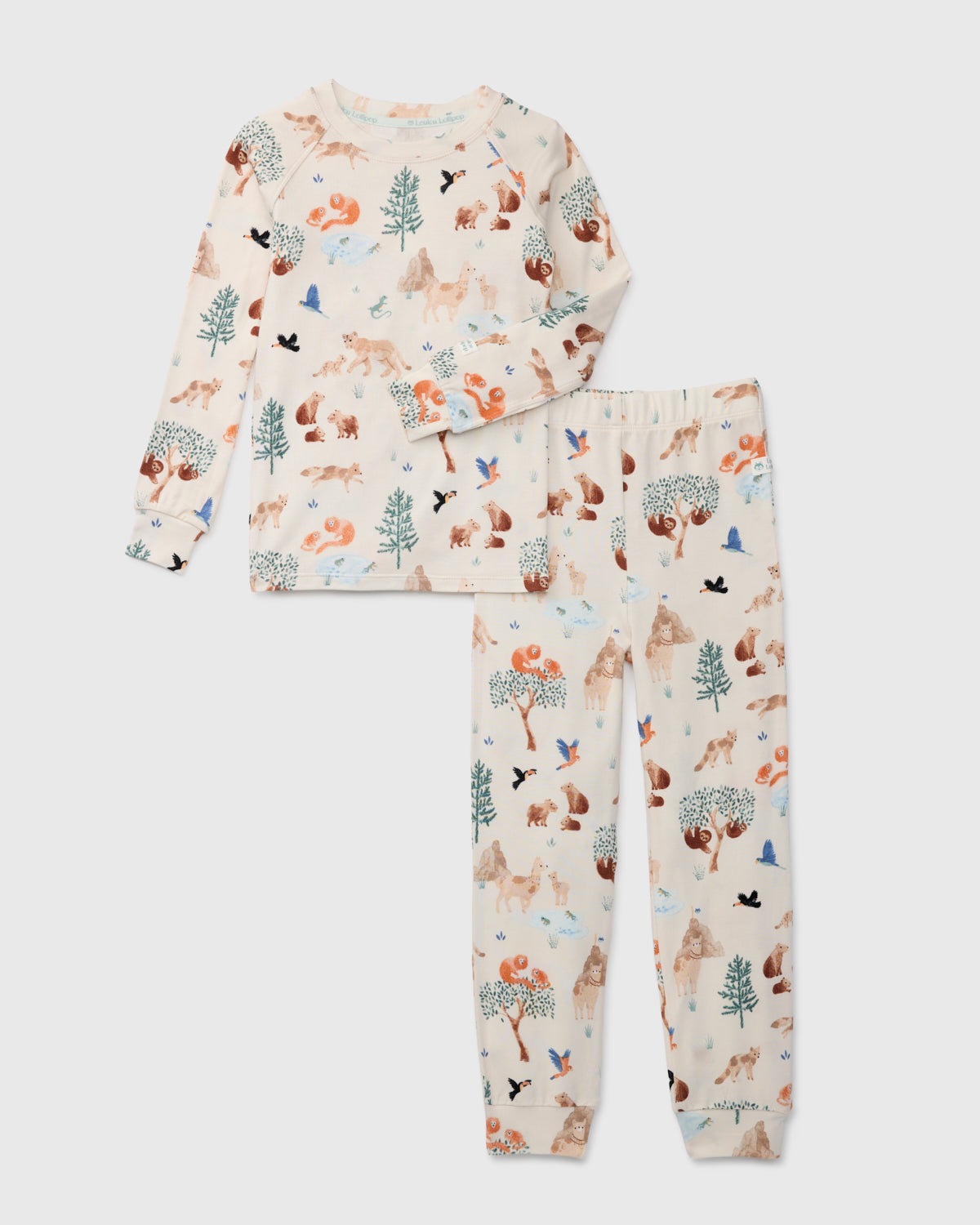
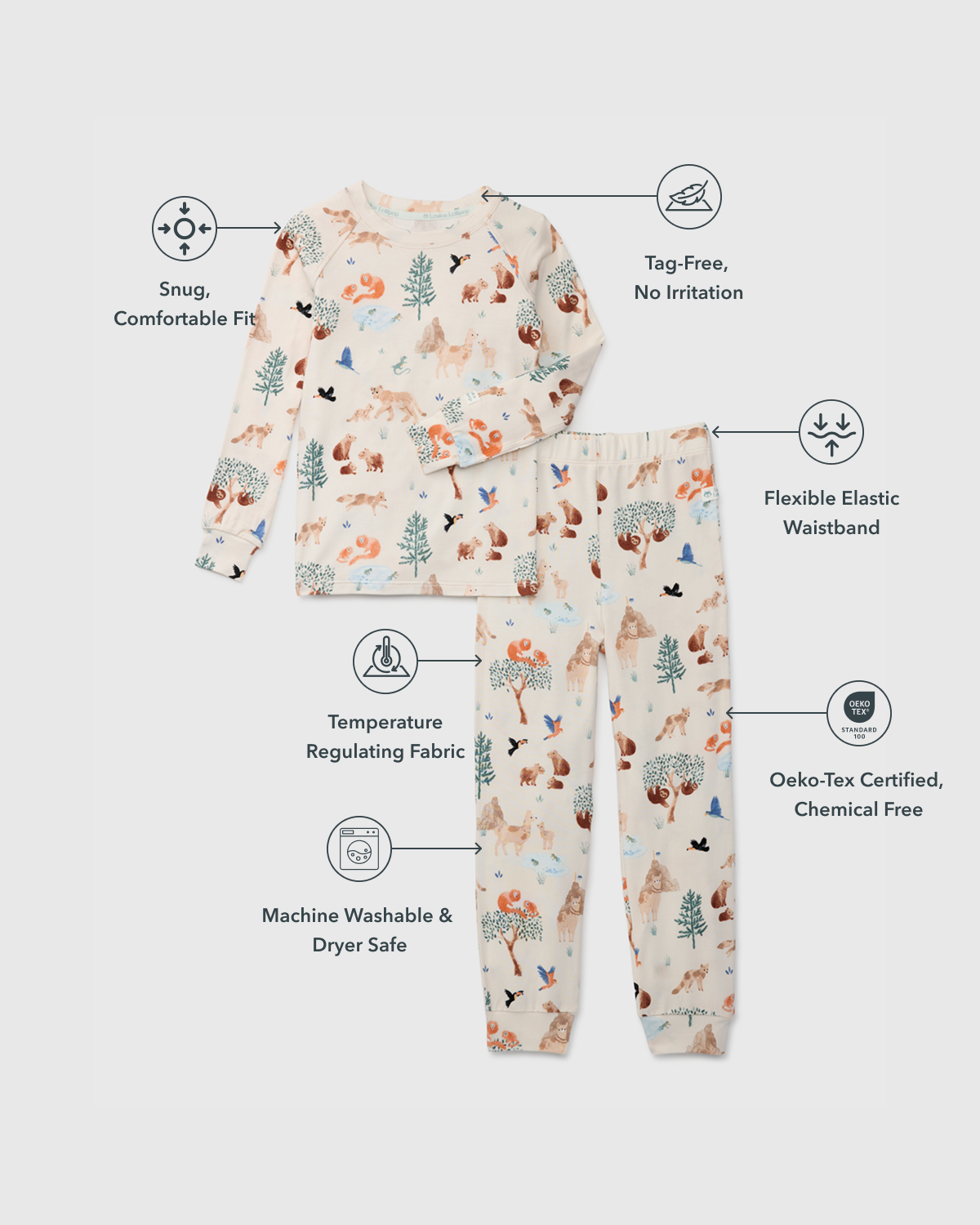
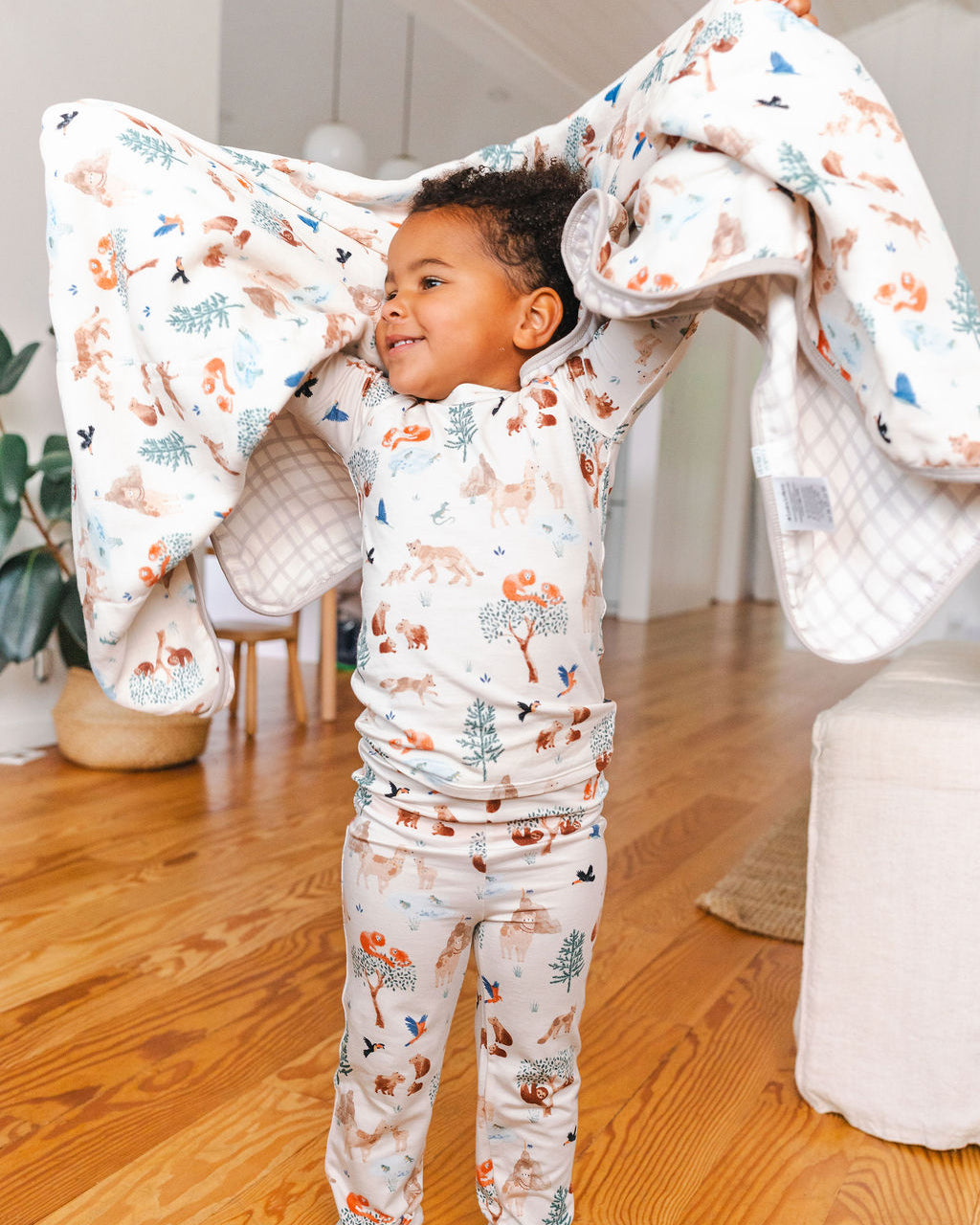
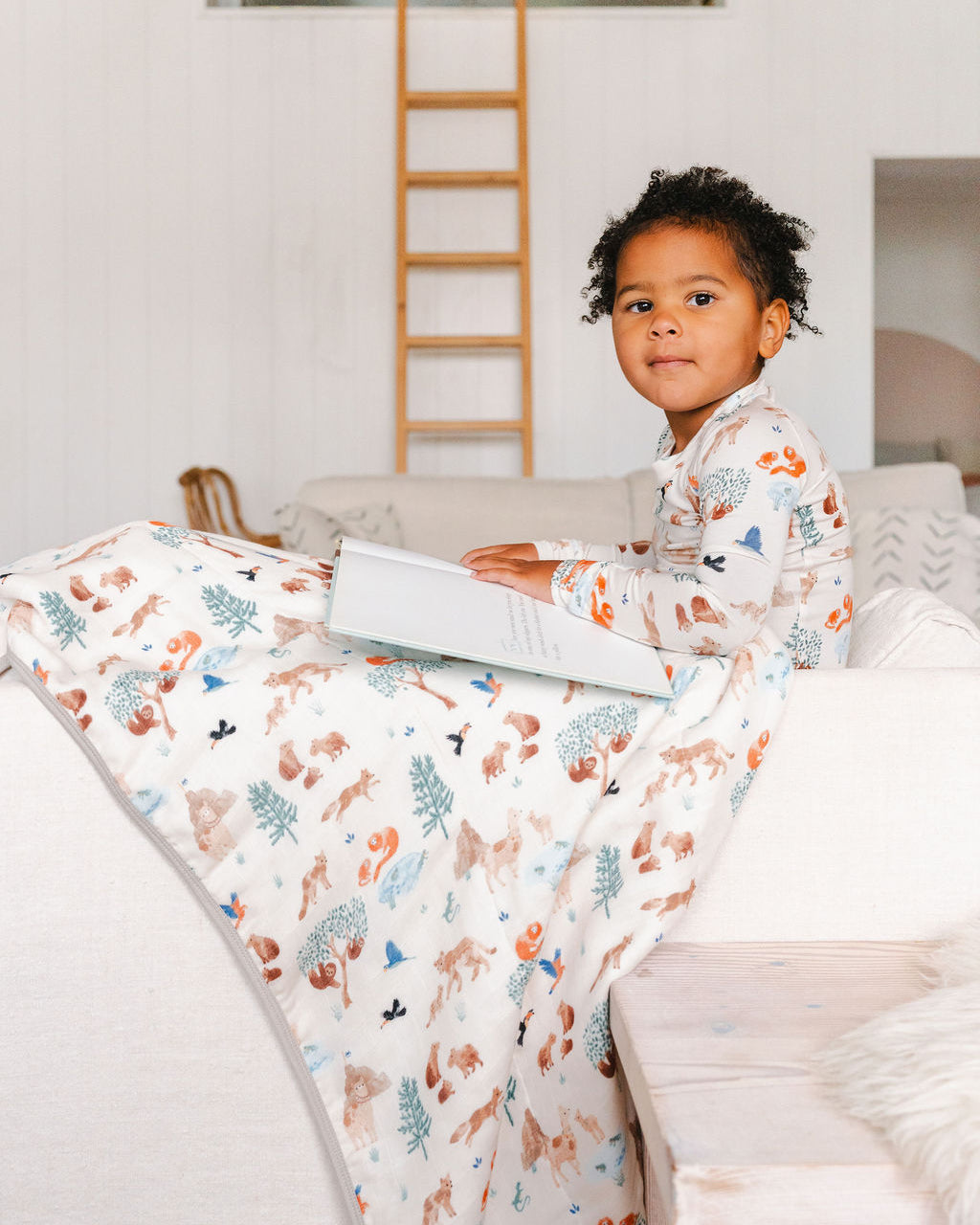


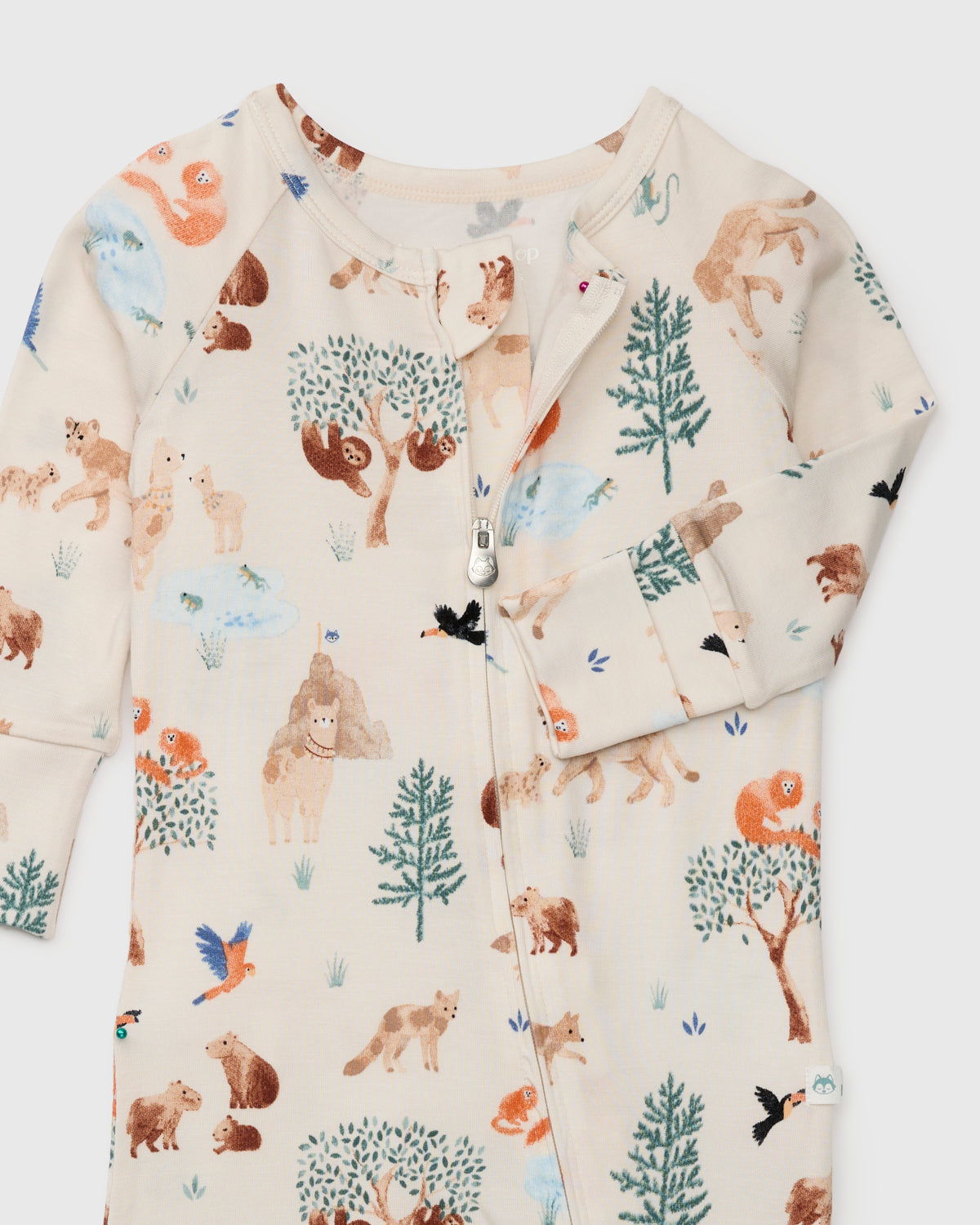

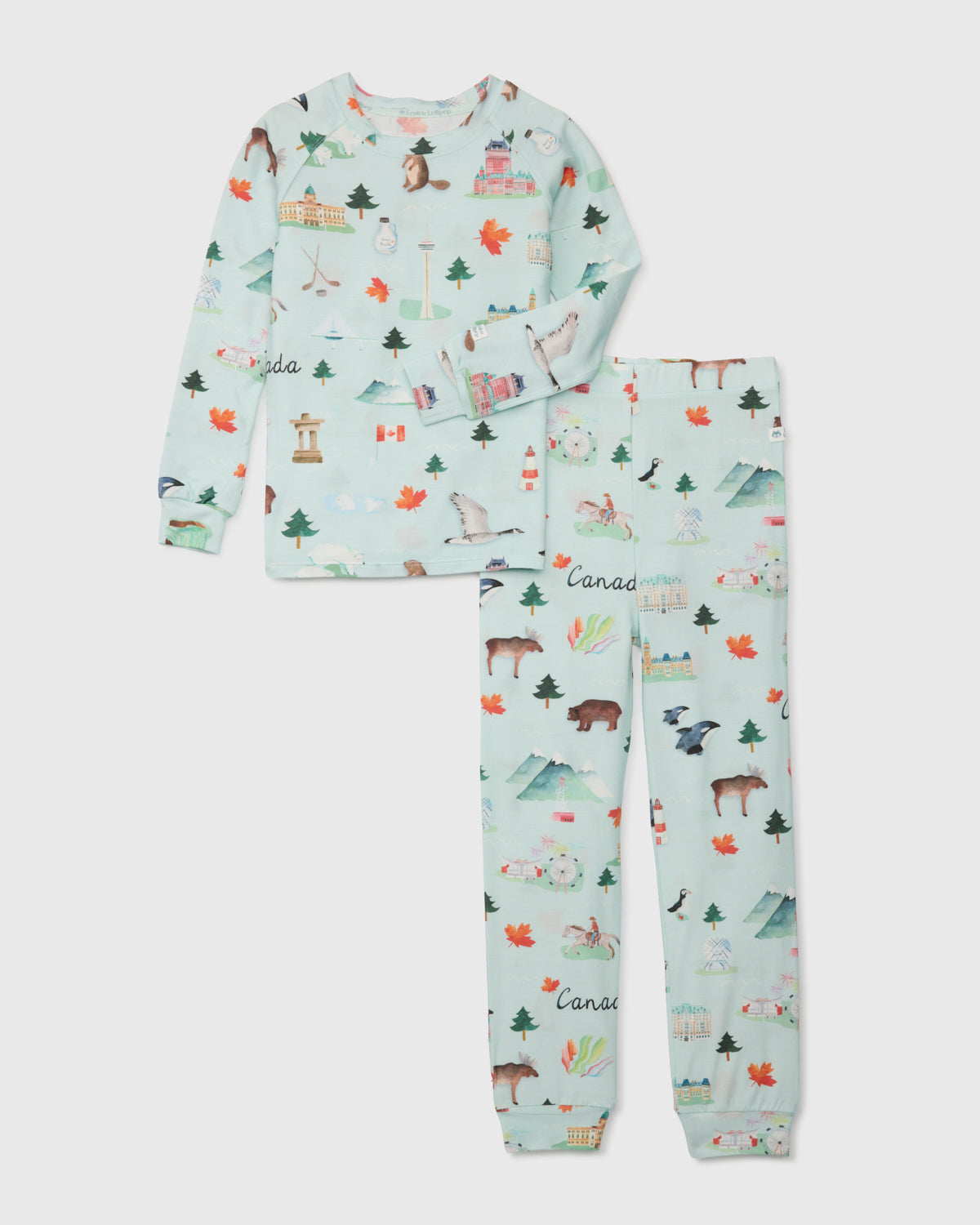


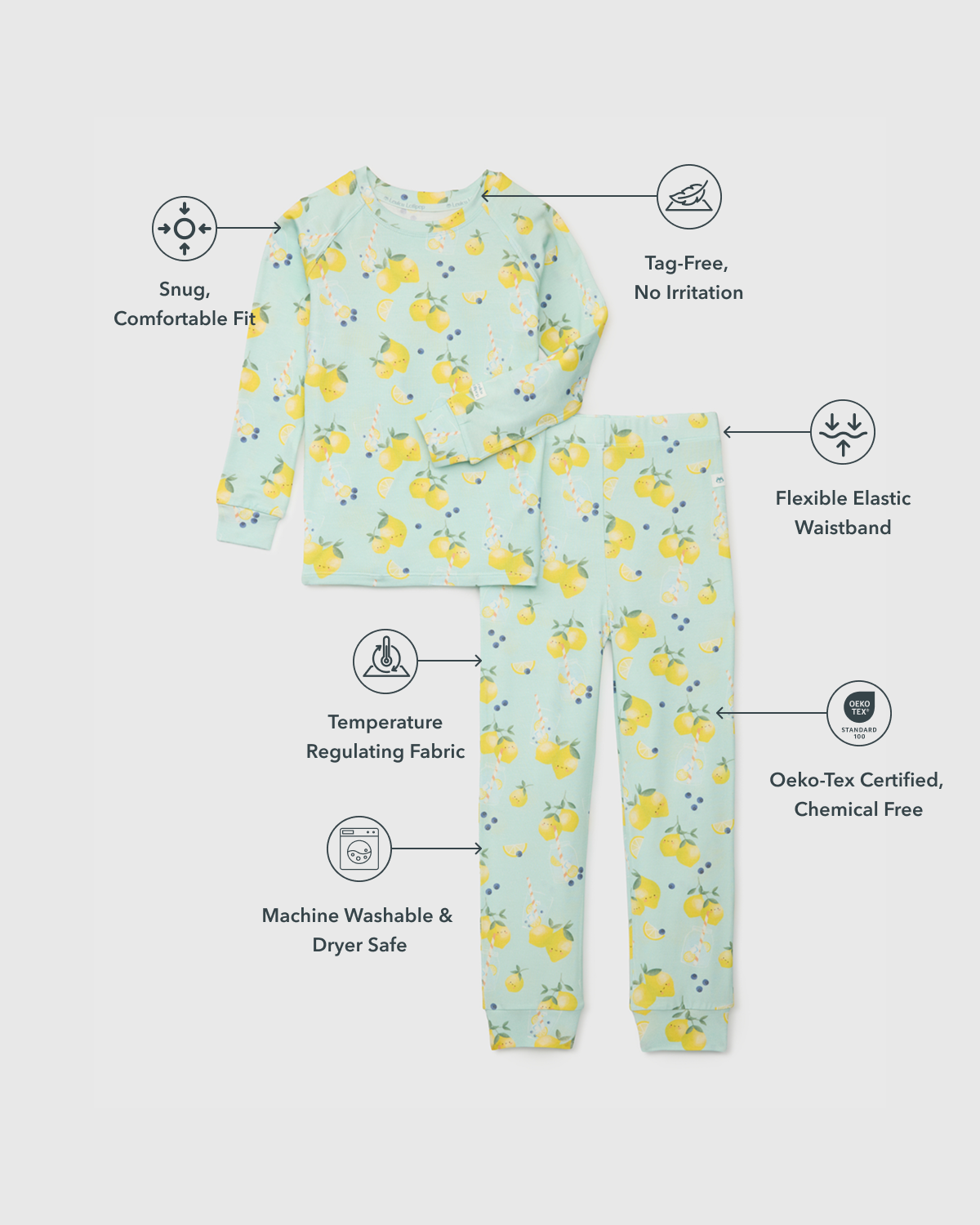
Associer la dormeuse à la gigoteuse
L'indice TOG mesure la chaleur que procure une gigoteuse à votre bébé. La dormeuse, c'est la couche en dessous : la variable que vous contrôlez. Une dormeuse à manches longues en TENCEL™ est le bon choix sous une gigoteuse 1,0 ou 2,5 TOG, les deux que la plupart des familles utilisent toute l'année. Pour les pièces de plus de 24 °C, oubliez la dormeuse et optez plutôt pour un cache-couche à manches courtes sous une gigoteuse 0,5 TOG.
- 0,5 TOG, été et pièces chaudes (24 à 27 °C · 75 à 81 °F) : légère et respirante. Idéale quand la température de la pièce reste au-dessus de 24 °C. À porter avec un cache-couche à manches courtes ou une combinaison légère en dessous.
- 1,0 TOG, printemps, automne et pièces tempérées (20 à 24 °C · 68 à 75 °F) : notre épaisseur la plus populaire. Assez polyvalente pour être utilisée toute l'année dans la plupart des maisons. À porter avec un cache-couche à manches longues ou une dormeuse ajustée.
- 2,5 TOG, hiver et pièces fraîches (16 à 20 °C · 61 à 68 °F) : une chaleur supplémentaire pour les chambres froides ou les nuits d'hiver. À porter avec une dormeuse couvrante dans les pièces les plus froides.

Conseil d'agencement : une dormeuse à manches longues en TENCEL™ sous une gigoteuse 1,0 TOG convient à la plupart des maisons canadiennes toute l'année. Ajoutez une gigoteuse 2,5 TOG pour l'hiver. Une dormeuse, deux gigoteuses : voilà le système.
Pourquoi la couche du dessous compte

La plupart des parents se concentrent sur l'indice TOG de la gigoteuse, mais c'est ce que bébé porte en dessous qui détermine si le système fonctionne vraiment. Le coton emprisonne l'humidité contre la peau. C'est pourquoi un bébé en cache-couche de coton sous sa gigoteuse se réveille humide, moite et inconfortable à 2 h du matin.
Le TENCEL™ Lyocell règle ce problème à la source. C'est une fibre botanique faite de pulpe de bois d'eucalyptus, et des tests indépendants montrent qu'il absorbe l'humidité environ 50 % plus efficacement que le coton. Il continue d'évacuer l'humidité là où le coton abandonne, pour que bébé reste au sec et confortable pendant les 10 à 12 heures où il porte ce vêtement.
Évacue l'humidité toute la nuit
Éloigne la sueur de la peau et la libère, au lieu de la garder contre bébé.
Plus doux à chaque lavage
Contrairement au coton, le TENCEL™ ne raidit pas et ne bouloche pas avec le temps. Le cinquantième lavage est aussi agréable que le premier.
Doux pour les peaux sujettes à l'eczéma
La structure lisse de la fibre crée moins de friction contre la peau. La National Eczema Society considère le TENCEL™, comme le coton, adapté aux peaux sensibles.
Production en circuit fermé
99 % du solvant utilisé est recyclé. Moins d'eau et moins de déchets que le coton conventionnel.
Dormeuse TENCEL™ ou pyjama en rayonne de bambou
La rayonne de bambou et le TENCEL™ Lyocell se présentent tous deux comme des tissus haut de gamme pour bébés. Voici comment ils se comparent vraiment avec le temps.
| Dormeuse TENCEL™ Loulou Lollipop | Pyjama en rayonne de bambou | |
|---|---|---|
| Toucher du tissu | TENCEL™ d'une douceur exceptionnelle : lisse contre la peau | Doux au départ : varie selon la marque et la transformation |
| Douceur avec le temps | Plus doux à chaque lavage | Bouloche et s'amincit au fil des lavages : visible dès le 3e mois |
| Gestion de l'humidité | Évacue la sueur et la libère : bébé reste au sec | Absorbe, mais retient l'humidité : moins efficace sous une gigoteuse |
| Peau sensible | Fibre lisse, friction minimale : convient aux peaux sujettes à l'eczéma | Dépend de la qualité de transformation : le traitement de la rayonne varie énormément |
| Durabilité | La surface tient plus de 50 lavages | Se dégrade plus vite, surtout avec 3 ou 4 lavages par semaine |
| Production | Circuit fermé : 99 % du solvant recyclé, source botanique | Transformation chimique intensive pour convertir le bambou en fibre de rayonne |

Conçue pour les bébés, pensée pour les parents
Chaque détail d'une dormeuse Loulou Lollipop a sa raison d'être.
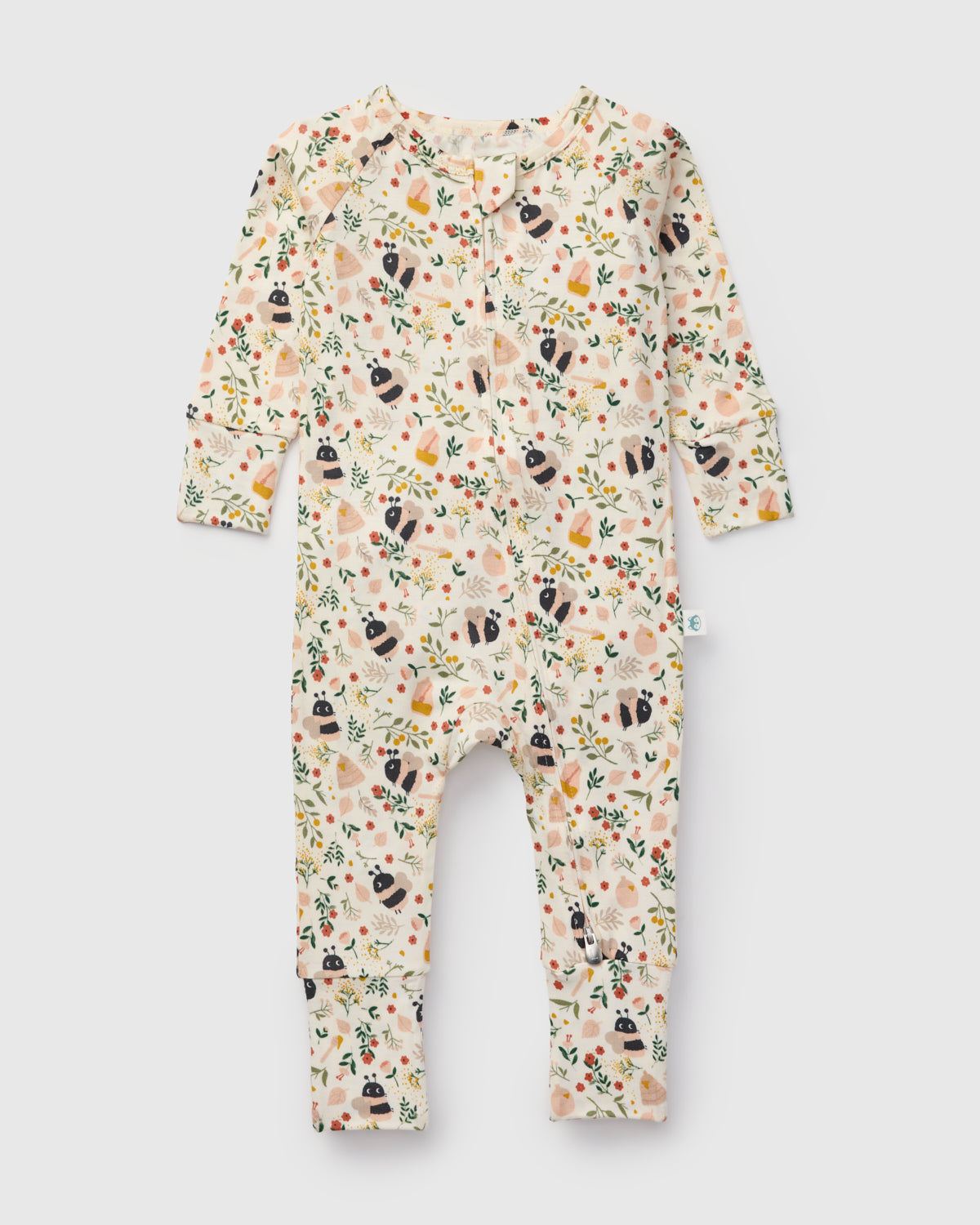
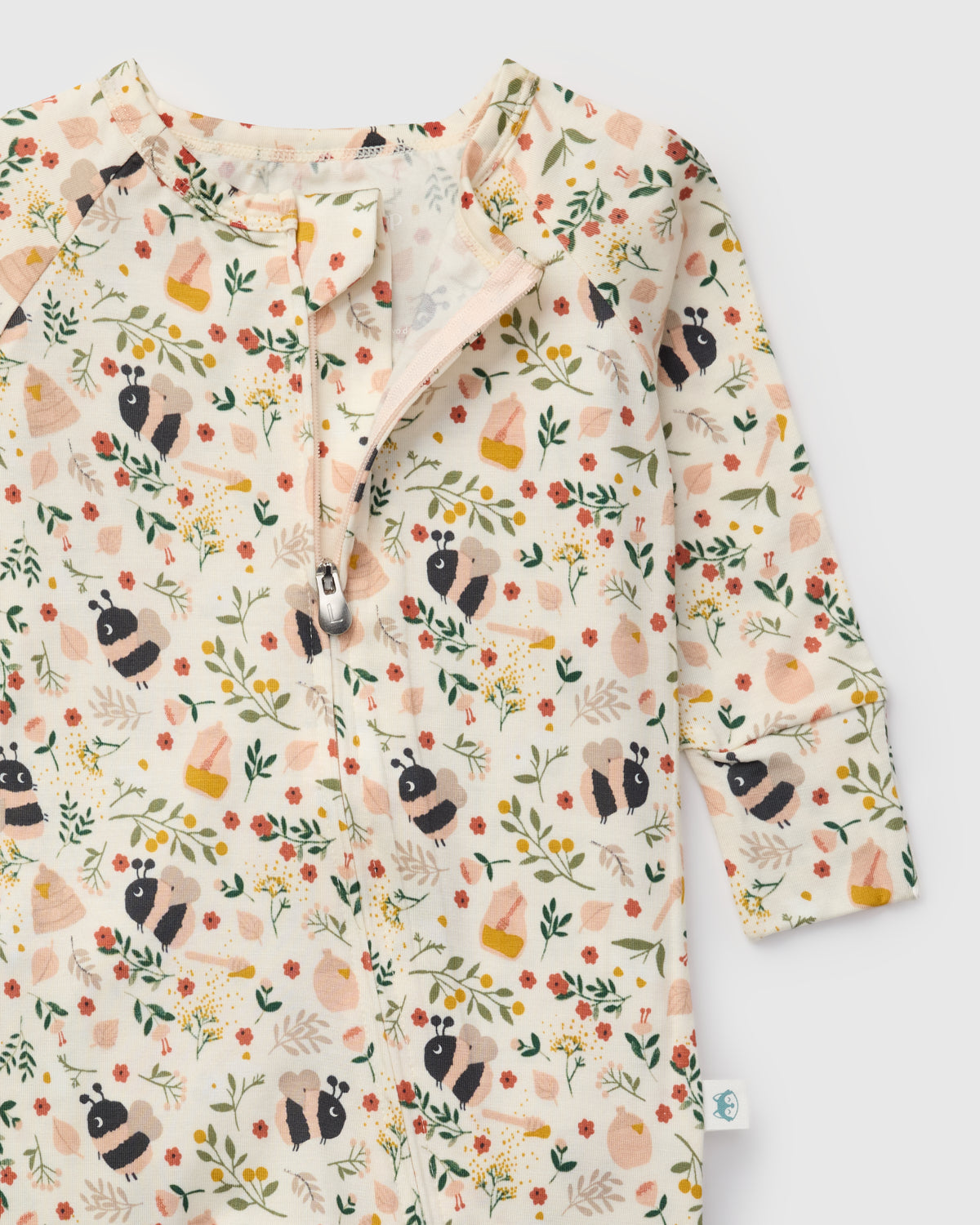
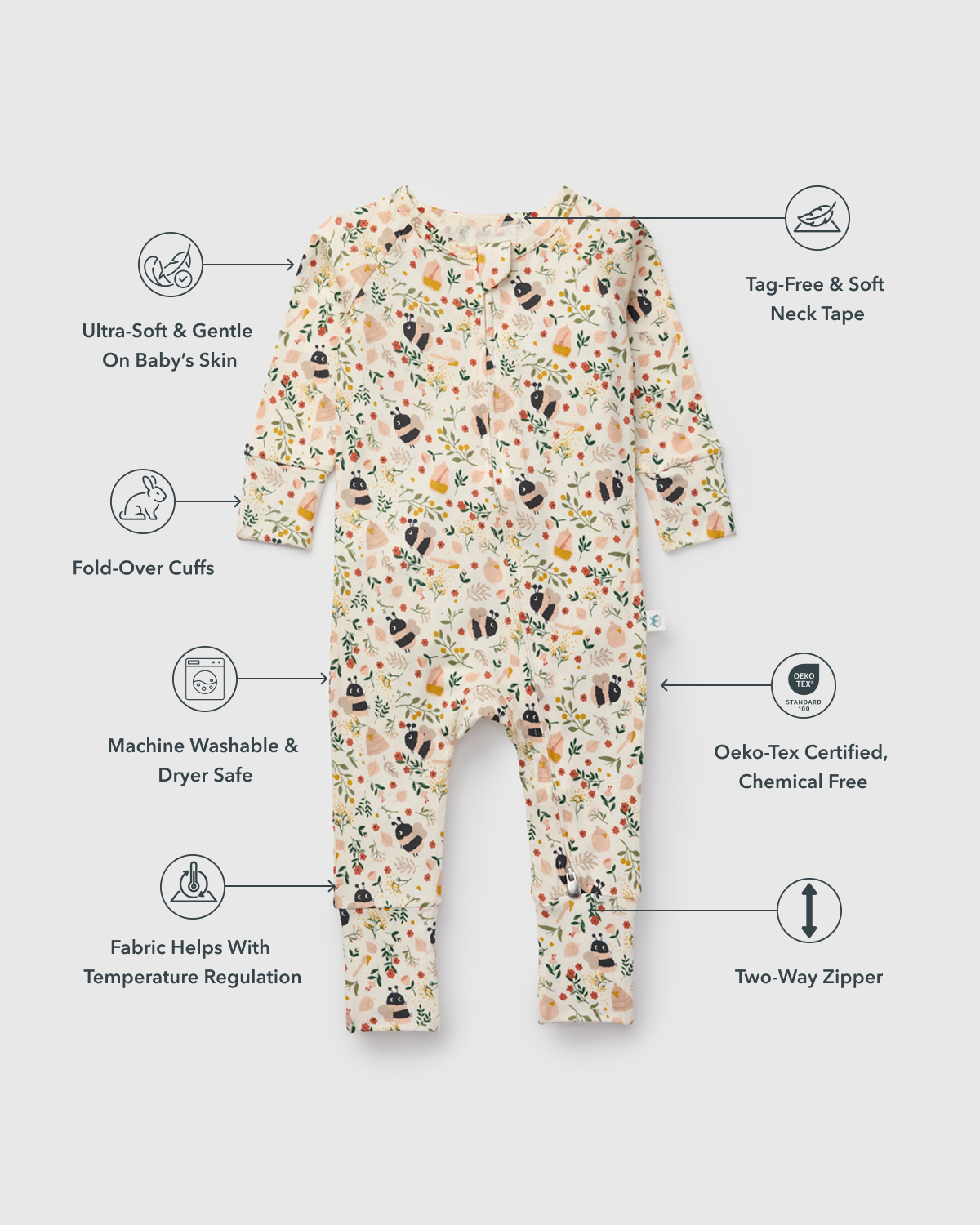
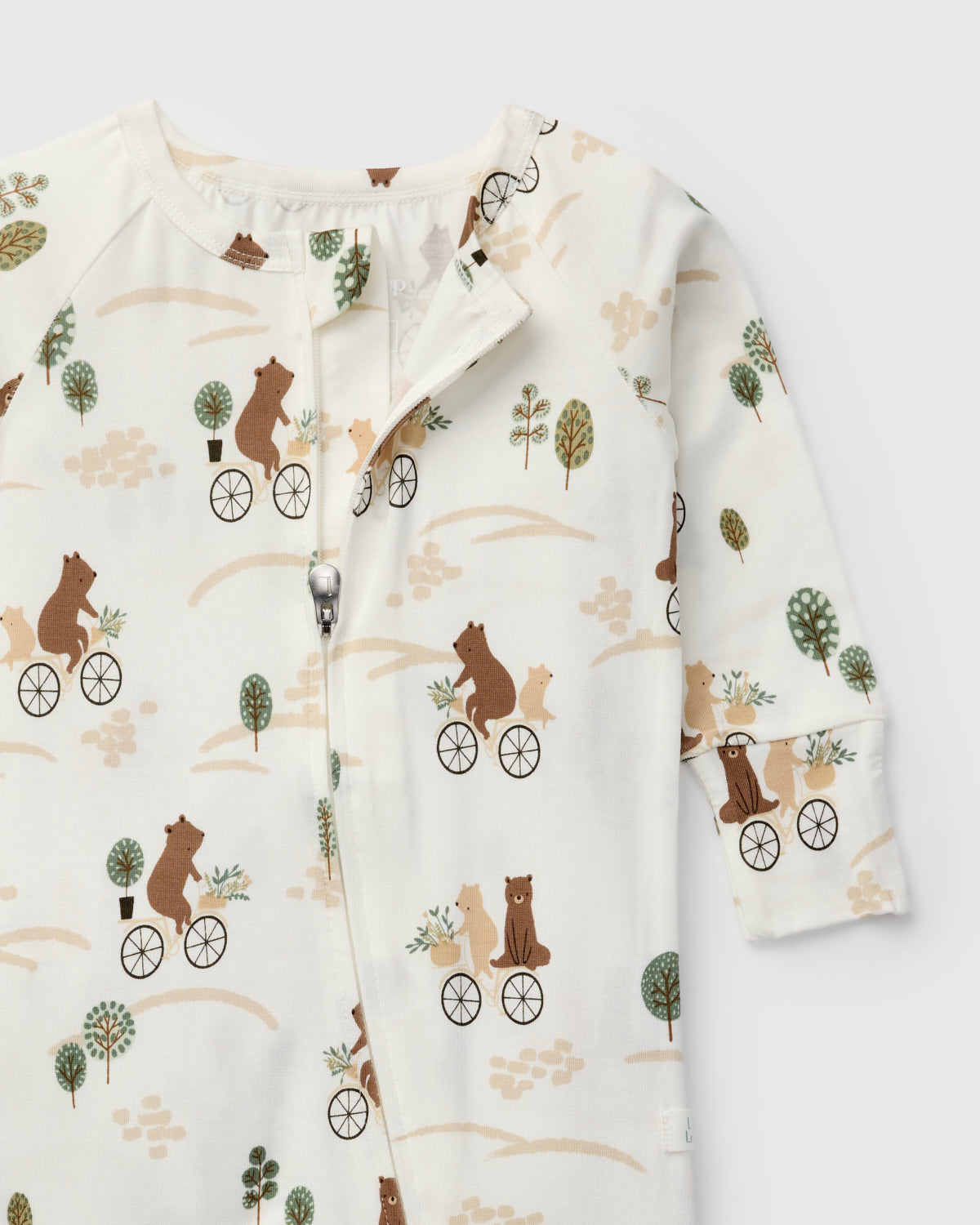
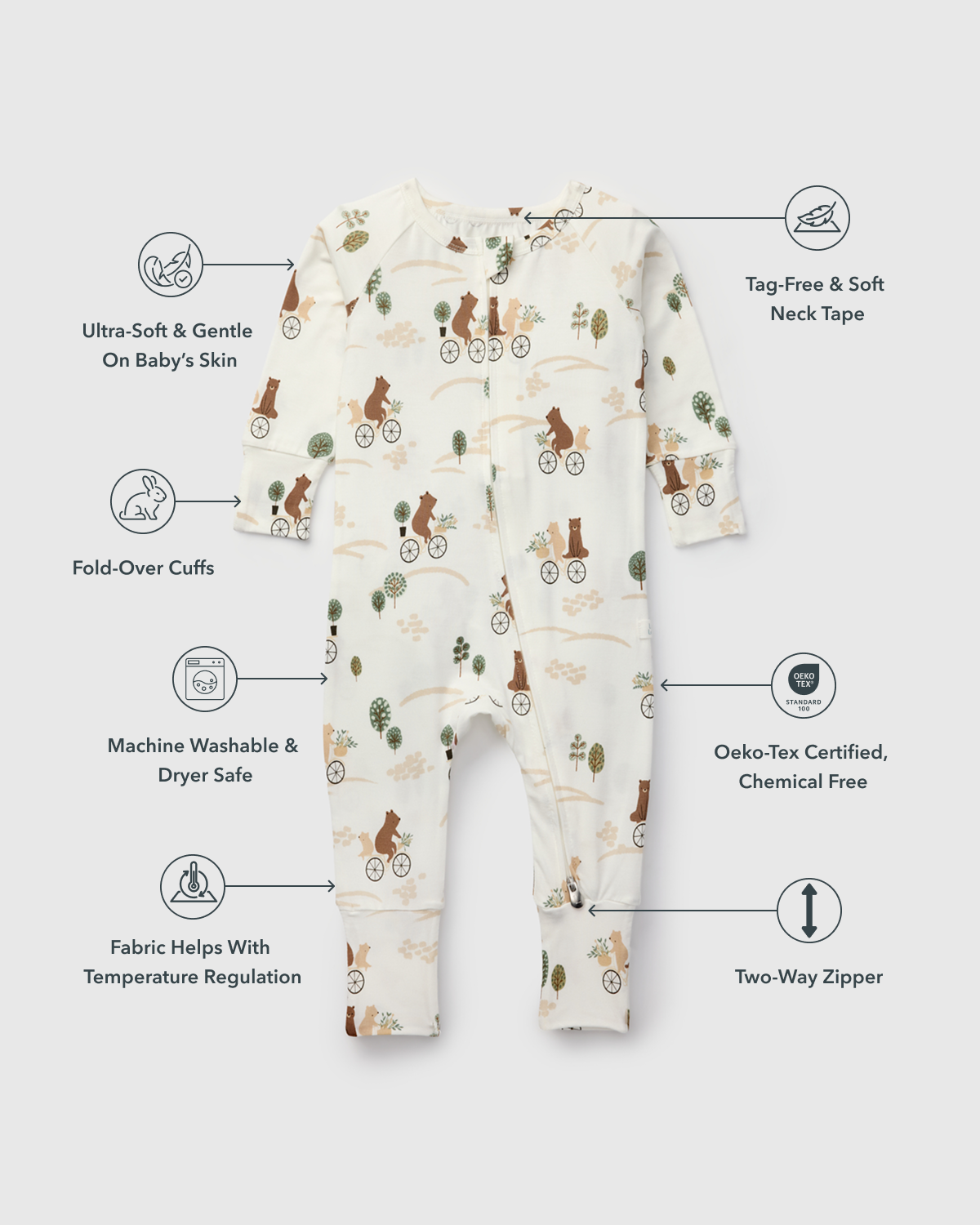
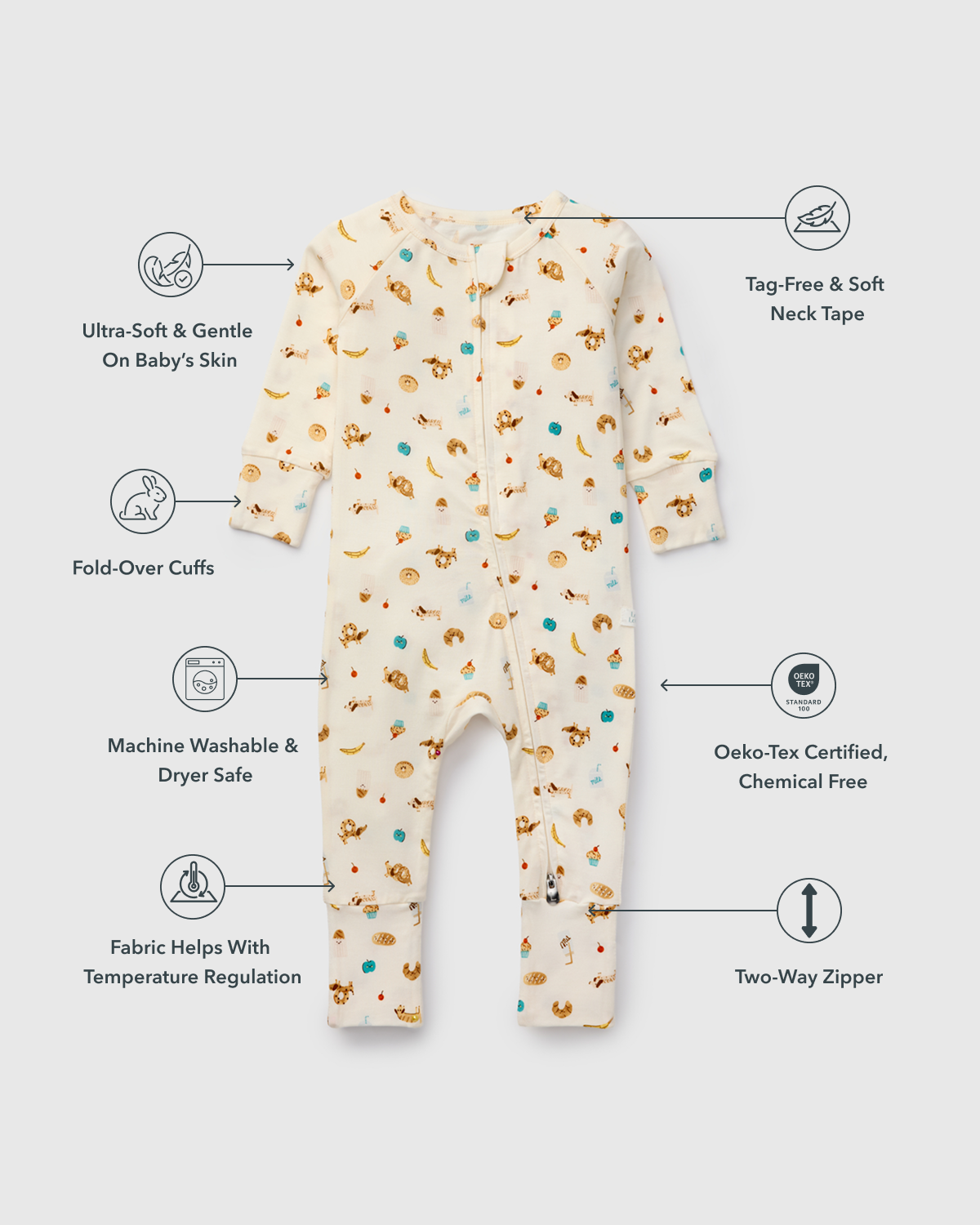
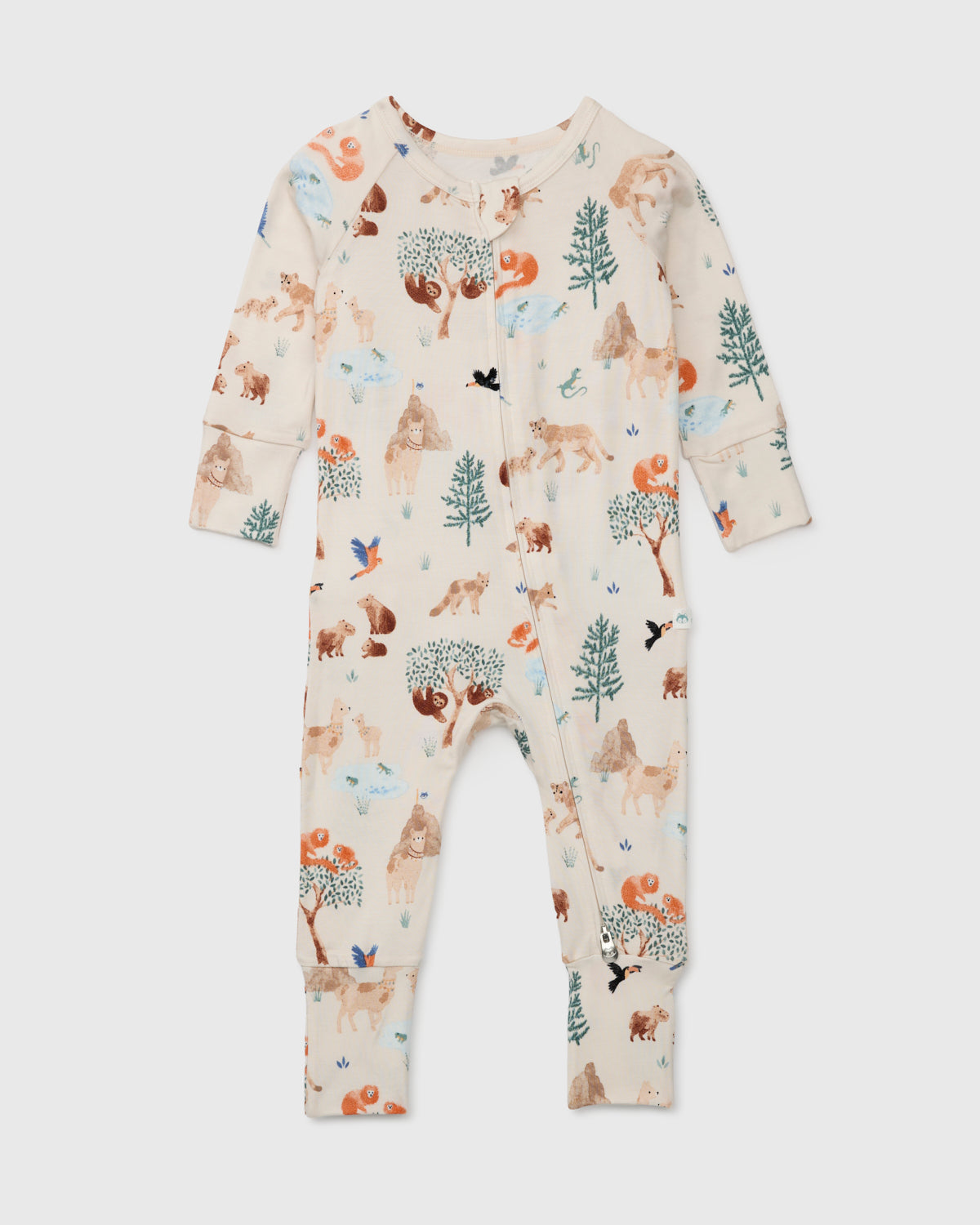
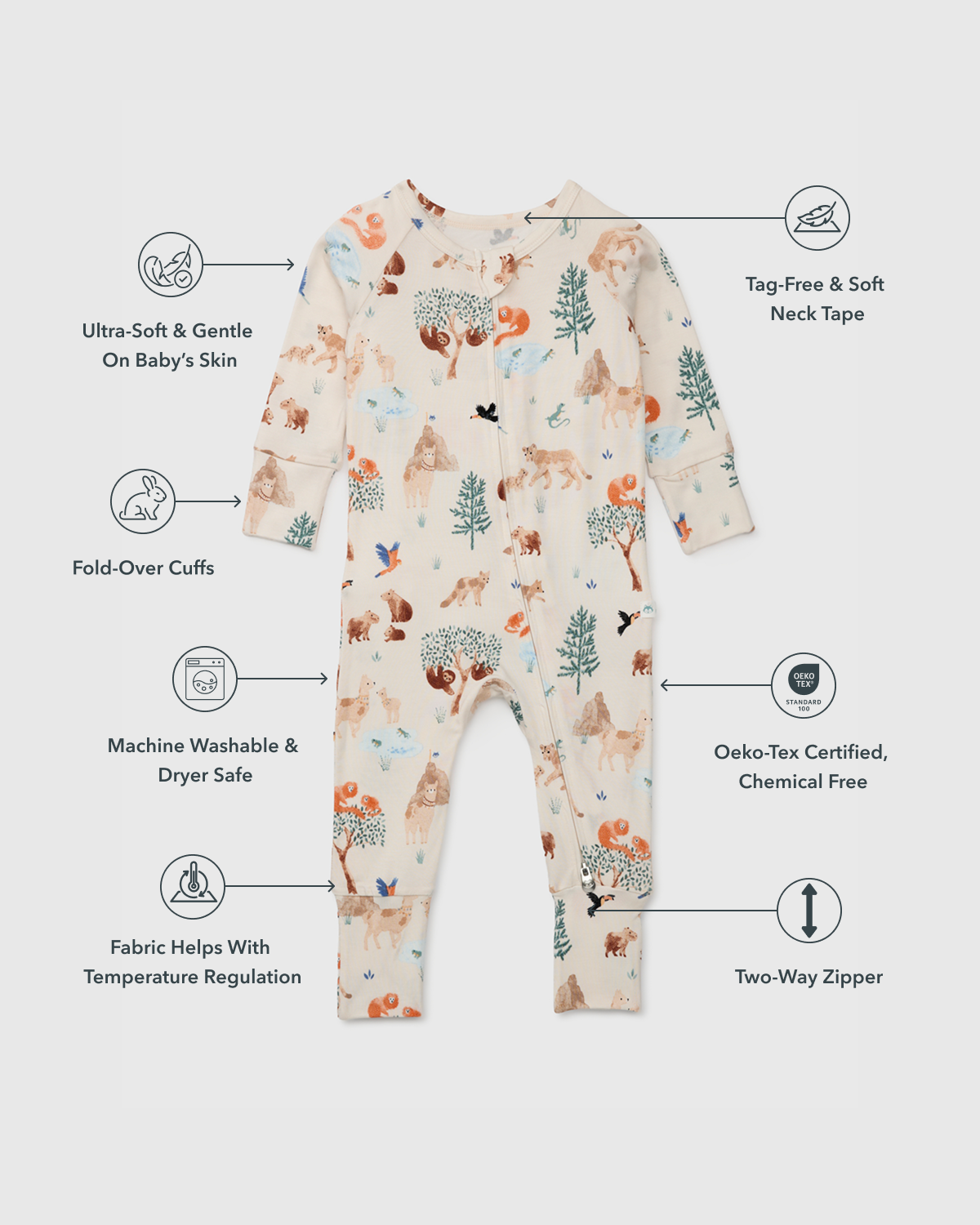
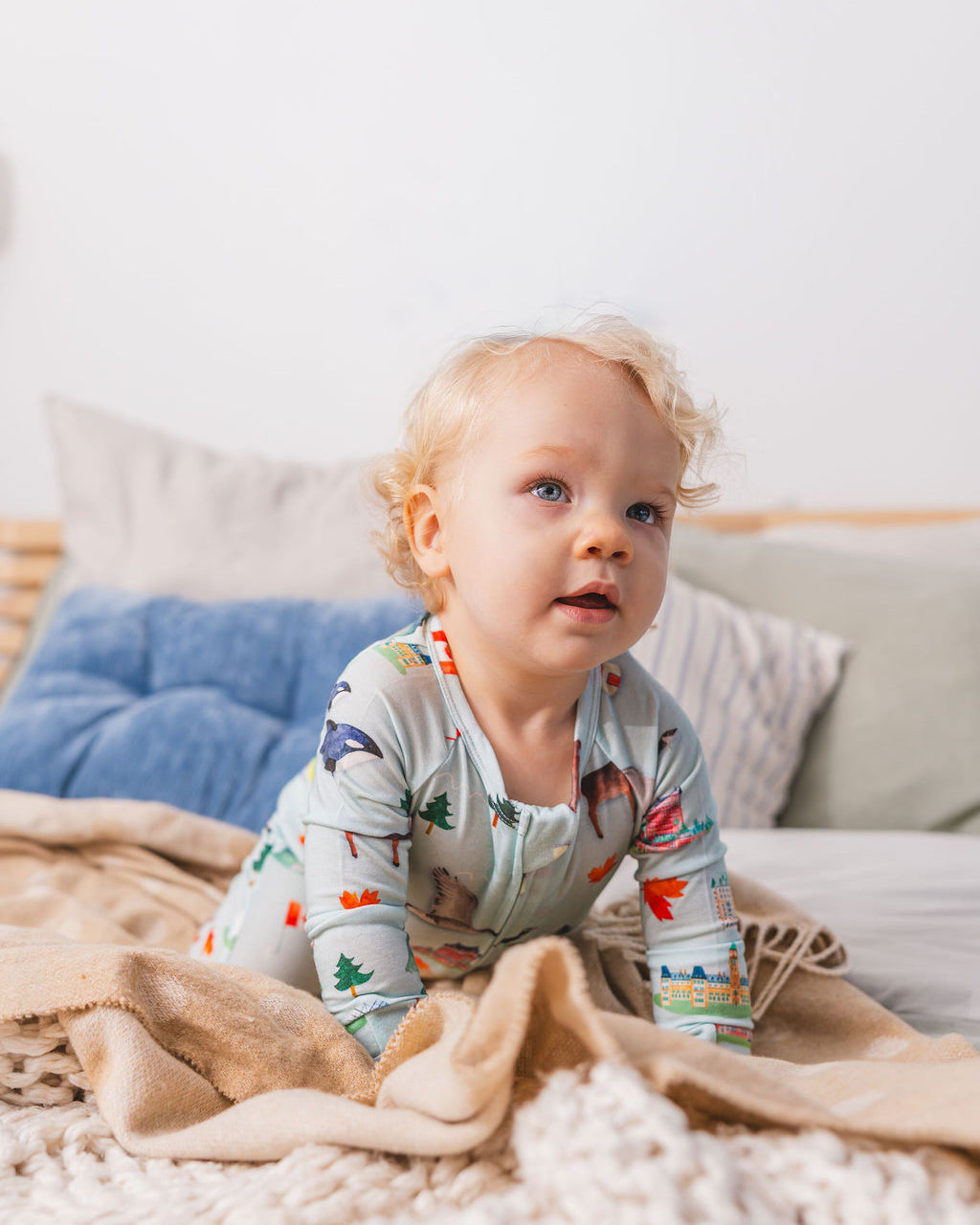
- Fermeture à glissière à deux sens : s'ouvre par le bas pour les changements de couche de nuit, sans devoir sortir bébé complètement
- Poignets repliables : des mitaines intégrées protègent le visage des nouveau-nés des égratignures et se replient à mesure que bébé grandit
- Pieds intégrés : pas de chaussettes à perdre, garde les pieds au chaud toute la nuit
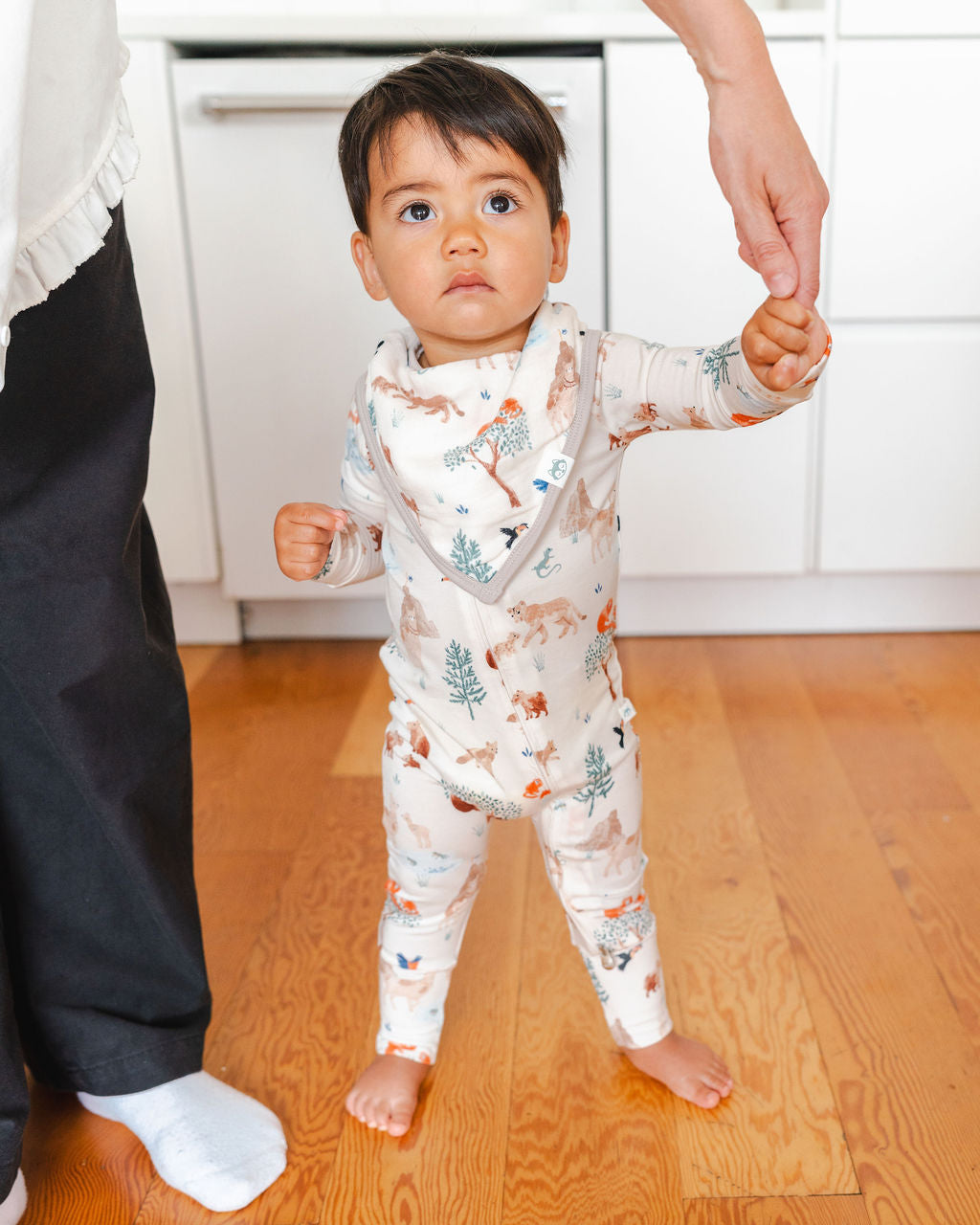
- Coupe ajustée : près du corps selon les recommandations de sommeil sécuritaire, sans excès de tissu dans le lit
- Protège-glissière caché : doux contre la peau délicate du menton et du cou
- Tailles de NN à 4 ans : grandit avec bébé, taillée selon le poids et la grandeur, pas l'âge
Économisez avec un ensemble de départ pour le sommeil
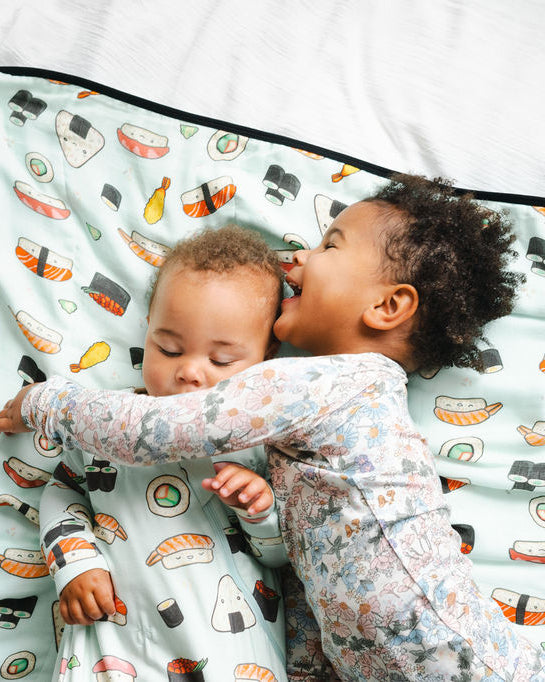
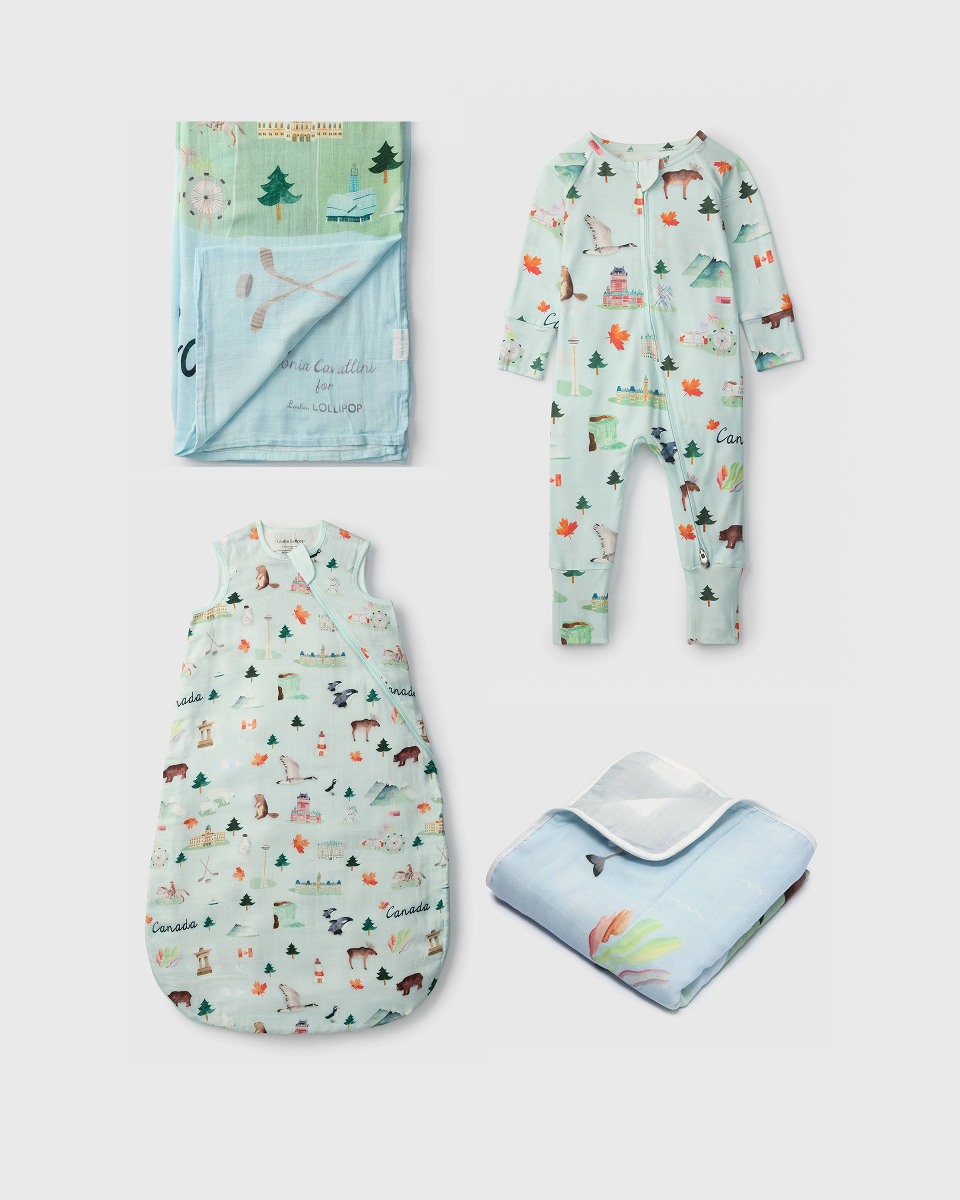
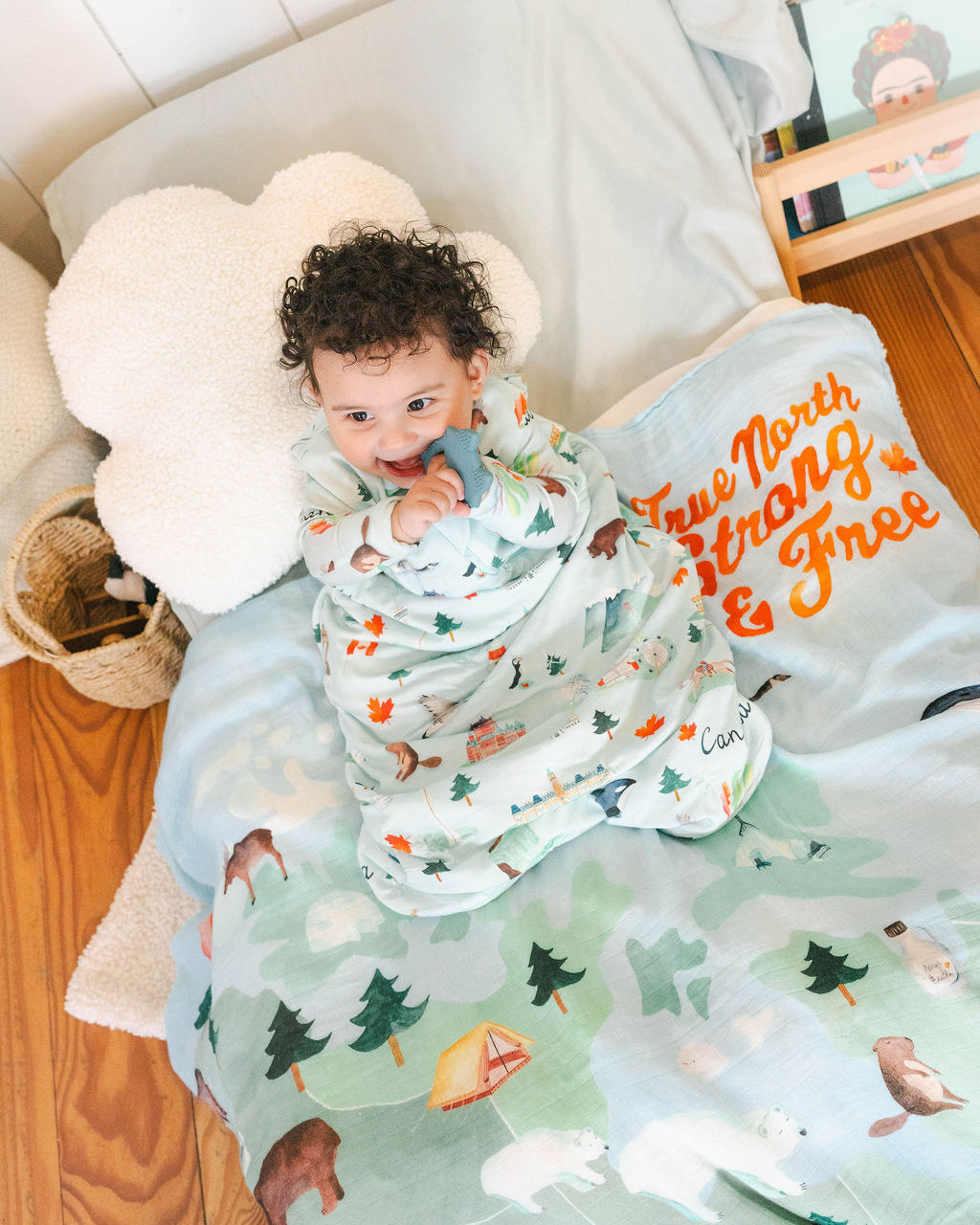
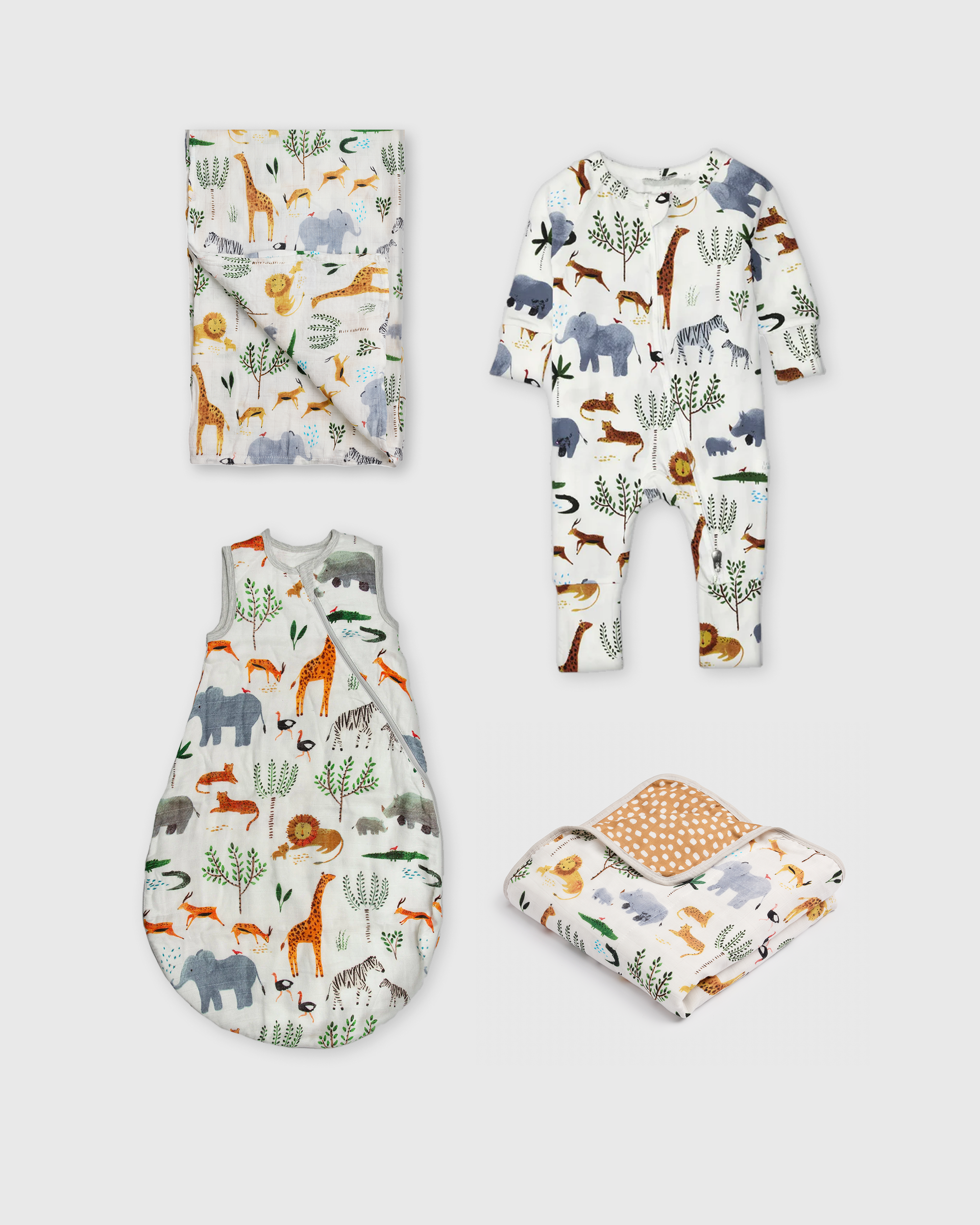
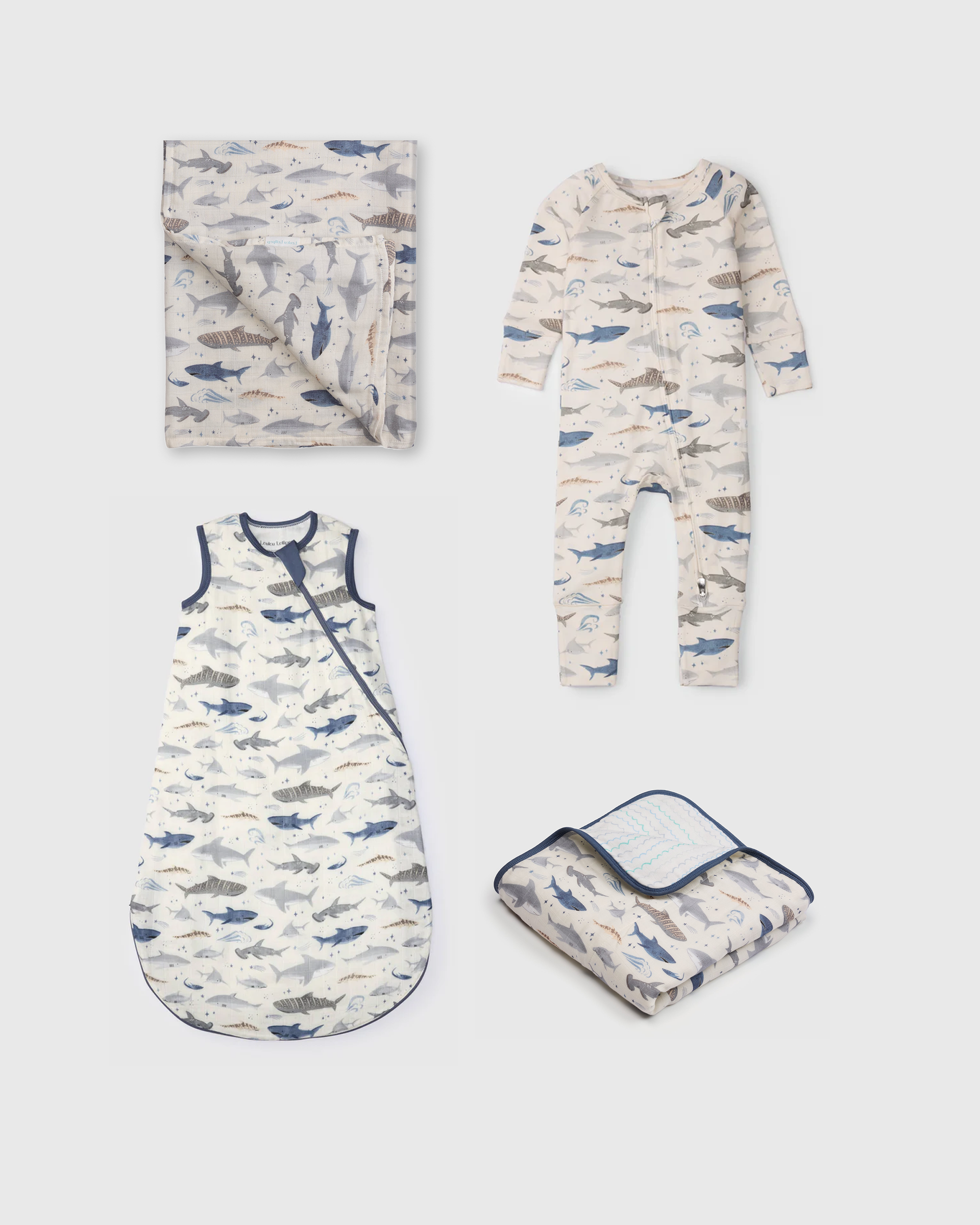
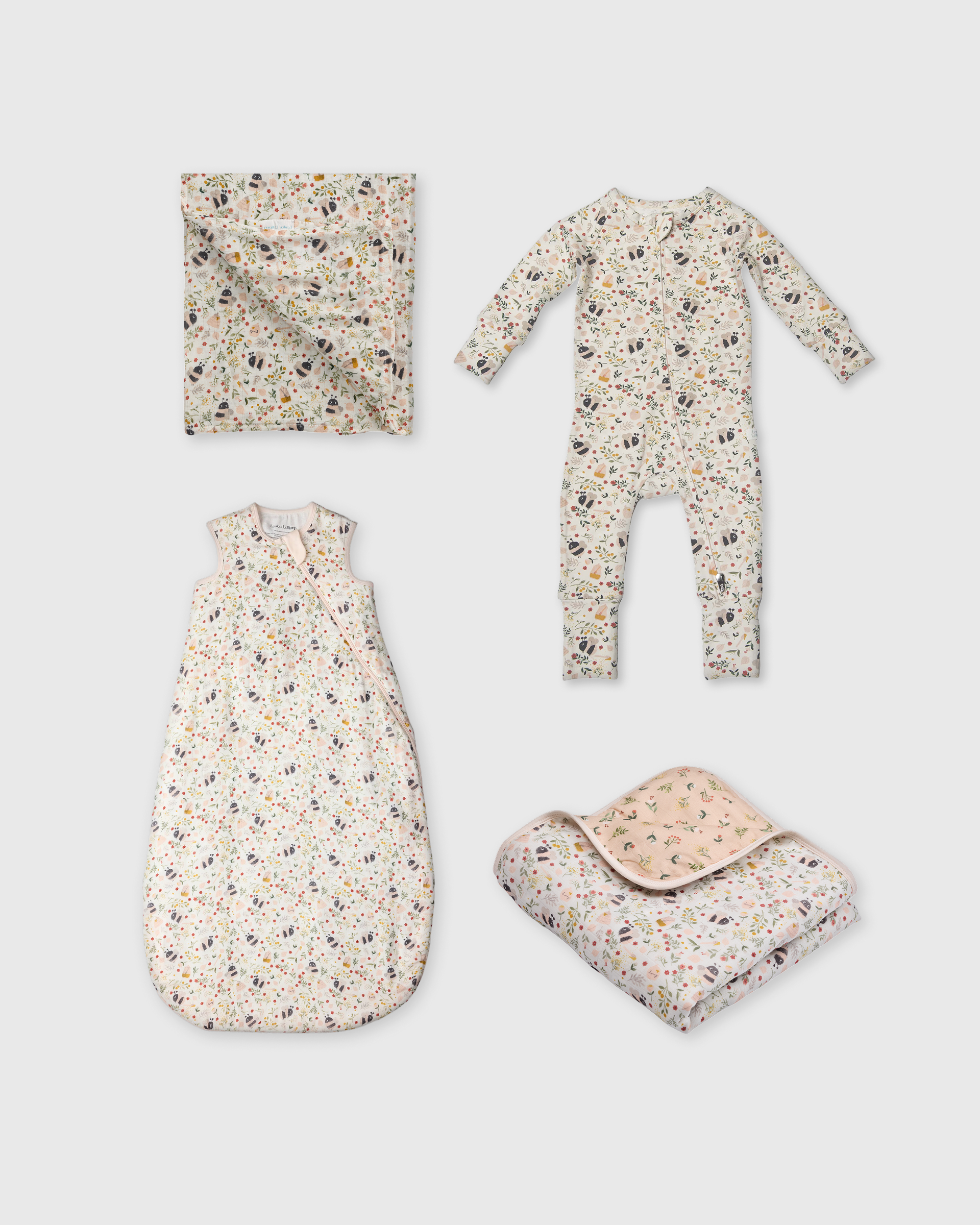
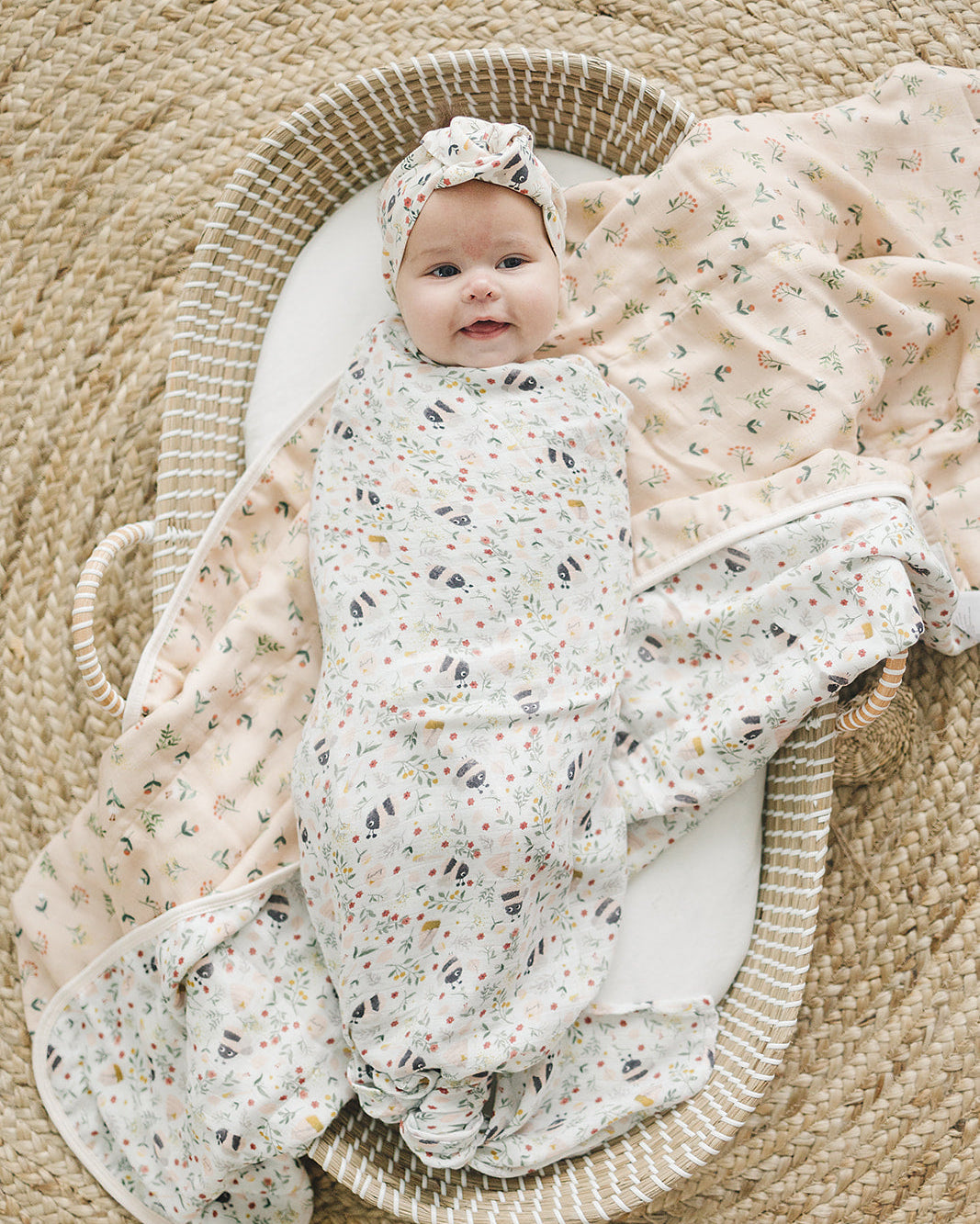
Associez la dormeuse à une gigoteuse, une couverture d'emmaillotage et une courtepointe assorties. Même imprimé, parfaitement coordonné, 14 % de rabais sur l'ensemble.



Entretien et tailles
Comment laver une dormeuse TENCEL™?
Laver à la machine à l'eau froide au cycle délicat. Sécher par culbutage à basse température ou suspendre pour sécher. Pas de javellisant ni d'assouplissant : l'assouplissant enrobe les fibres et réduit leur capacité à évacuer l'humidité avec le temps. Le TENCEL™ devient même plus doux à chaque lavage, alors aucun traitement particulier n'est nécessaire.
Quelle taille choisir?
Les dormeuses se choisissent selon le poids et la grandeur, pas l'âge. Consultez le guide des tailles sur la page du produit pour les mesures exactes. Un ajustement près du corps est important pour un sommeil sécuritaire : si bébé est entre deux tailles, ne prenez pas la taille au-dessus, car l'excès de tissu n'est pas recommandé.
Comment superposer avec une gigoteuse?
Une dormeuse TENCEL™ sous une gigoteuse 1,0 TOG est la combinaison la plus courante pour les chambres utilisées toute l'année (20 à 24 °C). Pour les pièces plus chaudes (24 °C et plus), utilisez un cache-couche à manches courtes sous une gigoteuse 0,5 TOG. Pour les pièces plus fraîches (moins de 20 °C), la même dormeuse à manches longues sous une gigoteuse 2,5 TOG. Une couche de plus que ce que vous porteriez : voilà la bonne règle de base.
Questions fréquentes
Comment le TENCEL™ se compare-t-il au bambou pour les dormeuses?
Les deux sont doux au départ, mais le TENCEL™ Lyocell surpasse la rayonne de bambou avec le temps. La rayonne de bambou bouloche et s'amincit au fil des lavages. Le TENCEL™ garde sa surface pendant cinquante cycles de lavage, ce qui est important pour un vêtement que bébé porte trois ou quatre nuits par semaine. Pendant les premiers lavages, le bambou peut sembler un peu plus doux. Au troisième mois, le TENCEL™ l'emporte.
Mon bébé peut-il dormir en dormeuse seulement, sans gigoteuse?
Oui, les nuits plus chaudes ou dans les pièces de plus de 24 °C, une dormeuse TENCEL™ seule suffit. Pour les pièces plus fraîches, associez-la à une gigoteuse avec indice TOG. La dormeuse est conçue pour fonctionner des deux façons.
Le TENCEL™ convient-il aux bébés à la peau sensible ou qui font de l'eczéma?
Oui. Le TENCEL™ Lyocell a une structure de fibre lisse et continue qui reste à plat contre la peau : moins de friction et moins d'irritation que le coton ou les tissus synthétiques. Sa capacité à évacuer l'humidité garde aussi la peau sèche pendant la nuit, ce qui compte pour les bébés sujets aux poussées d'eczéma. La National Eczema Society considère le TENCEL™, comme le coton, adapté aux peaux sensibles.
À quoi servent les poignets repliables?
Les ongles des nouveau-nés poussent vite, et les bébés s'égratignent souvent le visage pendant leur sommeil. Les poignets repliables couvrent les mains sans mitaines séparées qui tombent. Vers 4 à 6 mois, repliez-les : bébé voudra avoir les mains libres pour explorer.
Quand les bébés arrêtent-ils de porter des dormeuses à pieds?
La plupart des familles passent au pyjama deux pièces vers 18 mois, quand le tout-petit commence l'apprentissage de la propreté ou proteste contre la fermeture à glissière. Certains enfants portent des dormeuses à pieds une pièce jusqu'à 3 ans. Il n'y a pas d'âge fixe : c'est ce qui convient à votre enfant et à votre routine.