Canada
 United States



La gigoteuse conçue pour les vraies nuits

Nos gigoteuses primées restent en place toute la nuit : pas de couverture repoussée, pas de sommeil interrompu. Offertes en TENCEL™ et en viscose de bambou Tanboocel®, de 0,5 à 2,5 TOG.
Quel indice TOG me faut-il?
L'indice TOG (Thermal Overall Grade) mesure la chaleur que procure une gigoteuse à votre bébé. Le bon indice dépend de la température de la pièce, pas de la saison. La température idéale pour dormir est de 18 à 20 °C. Indiquez la température de la chambre de bébé ci-dessous et nous vous montrerons l'épaisseur, la couche à porter en dessous et les gigoteuses qui conviennent.
La température de la chambre de bébé
Une gigoteuse 1,0 TOG en 6–18 mois convient à la plupart des maisons et des bébés, et c'est l'épaisseur et la taille que les parents rachètent le plus. La taille se choisit selon la grandeur et le poids plutôt que selon l'âge indiqué : le tableau ci-dessous donne les mesures exactes. N'achetez pas une taille plus grande pour que bébé grandisse dedans : une gigoteuse doit être bien ajustée au cou et aux emmanchures pour que bébé ne puisse pas glisser à l'intérieur.
Hiver et pièces fraîches
16–20°C 61–68°F
Une chaleur supplémentaire pour les chambres froides ou les nuits d'hiver. Si la température de la pièce descend sous 16 °C, ajoutez une couche plus chaude en dessous plutôt que de choisir une gigoteuse plus chaude.
À porter en dessous : une dormeuse couvrante
Printemps, automne et pièces tempérées
20–24°C 68–75°F
Notre épaisseur la plus populaire et le choix sécuritaire par défaut : la plupart des maisons se situent entre 20 et 24 °C toute l'année. Assez polyvalente pour trois saisons.
À porter en dessous : un cache-couche à manches longues ou une dormeuse ajustée
Été et pièces chaudes
24–27°C 75–81°F
Légère et respirante. Idéale quand la température de la pièce reste au-dessus de 24 °C : chambres à l'étage, vagues de chaleur et pièces sans climatisation.
À porter en dessous : un cache-couche à manches courtes ou une combinaison légère
La taille de votre bébé
50 gigoteuses
Voir toutes les gigoteuses2.5 TOG
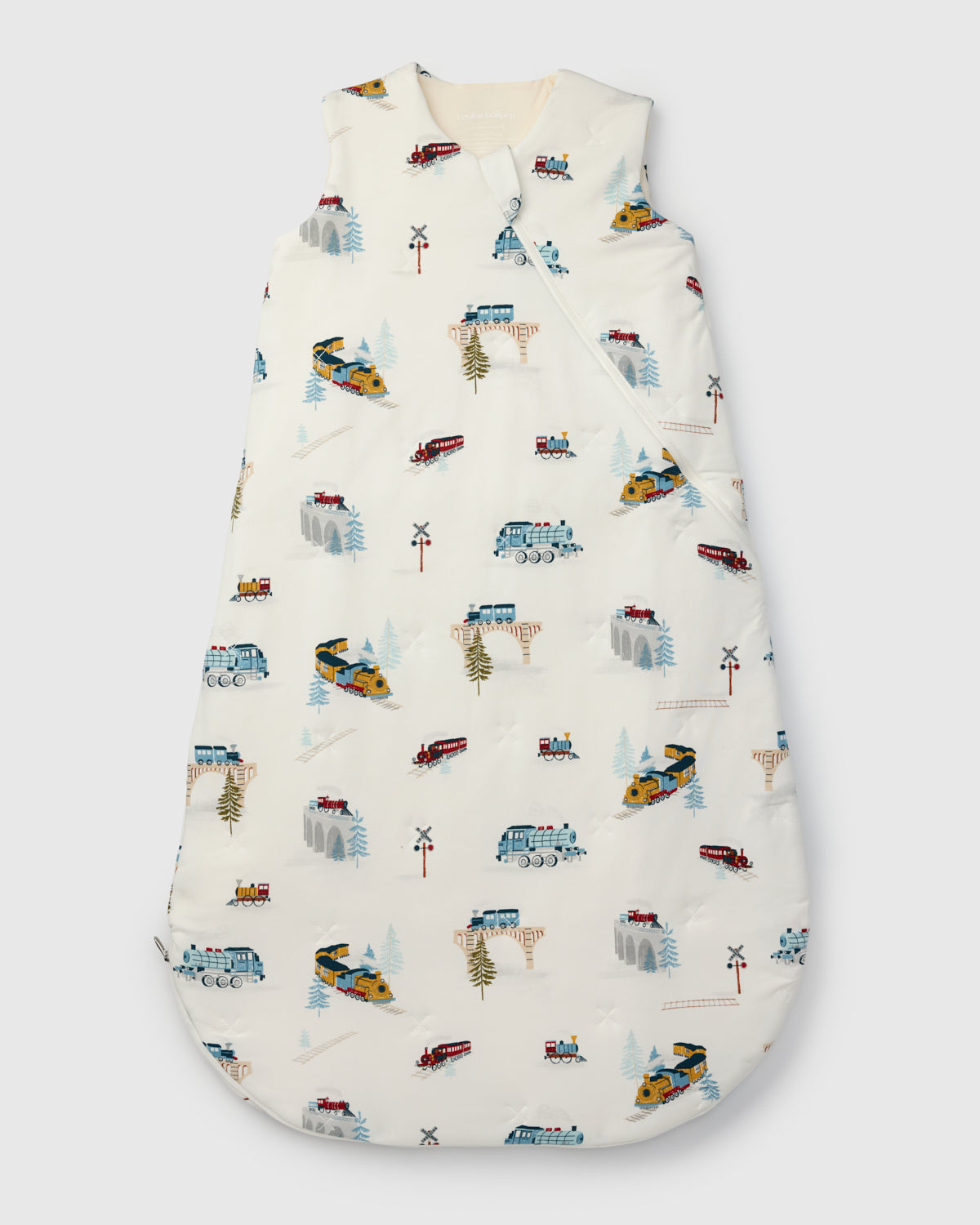
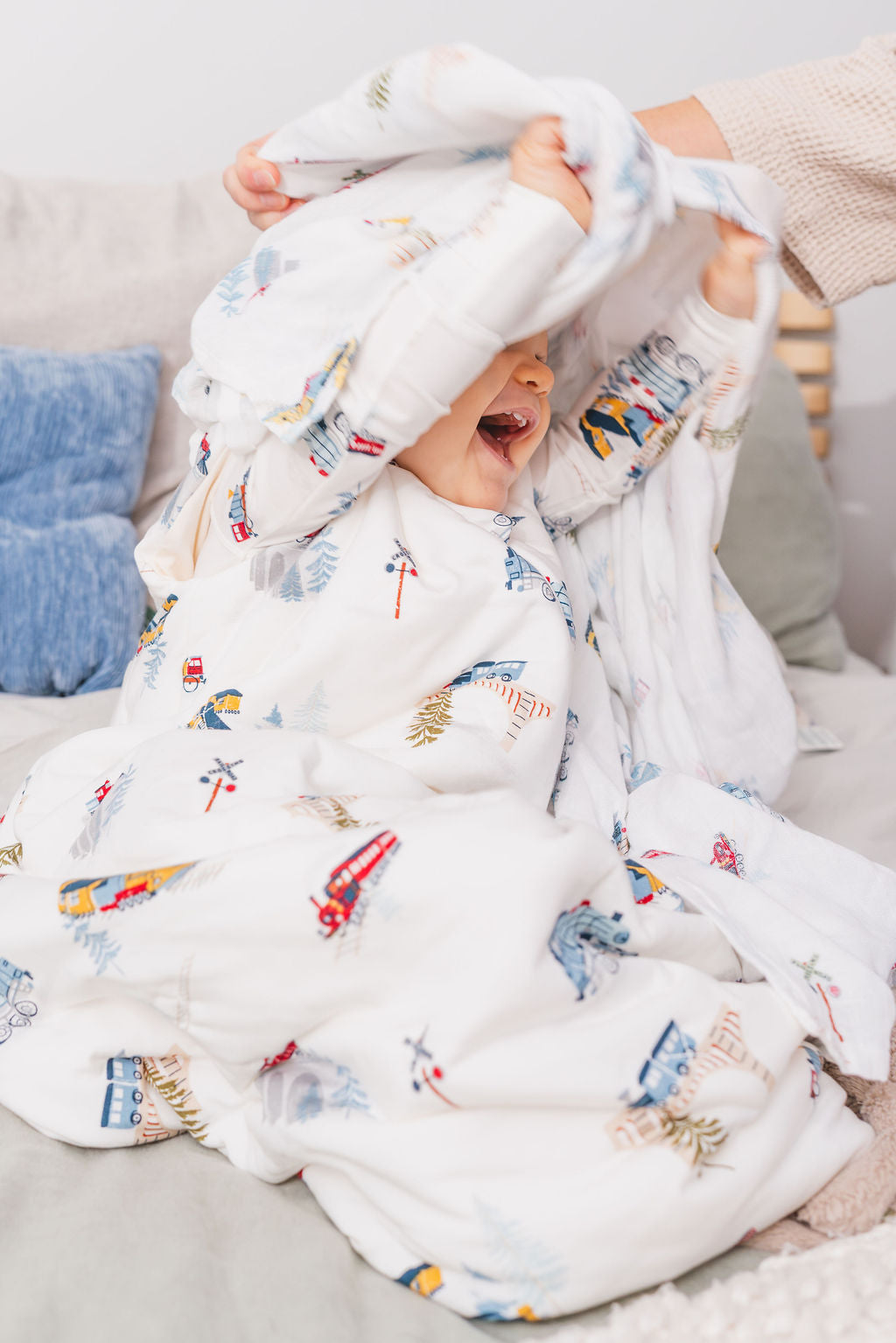
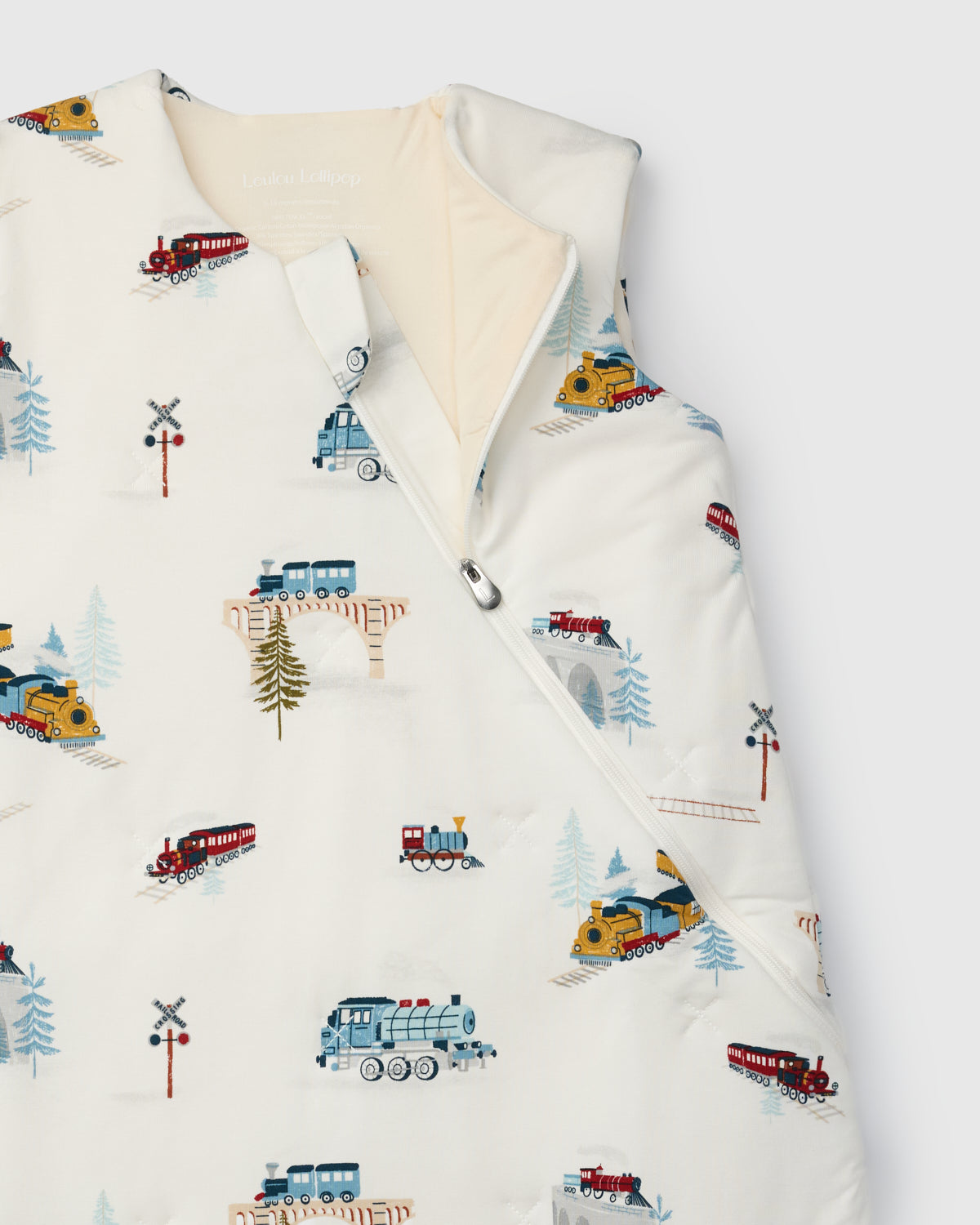
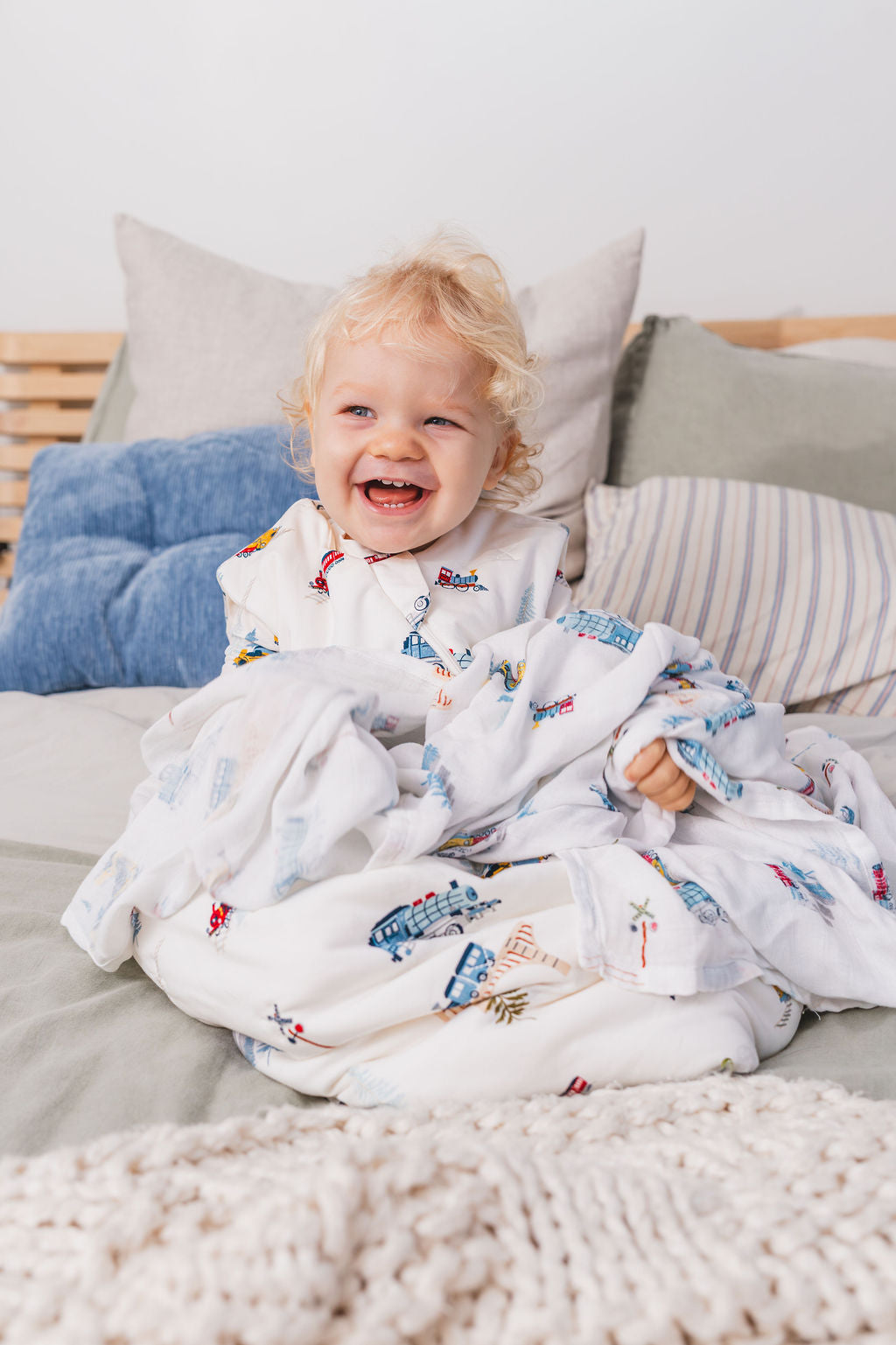
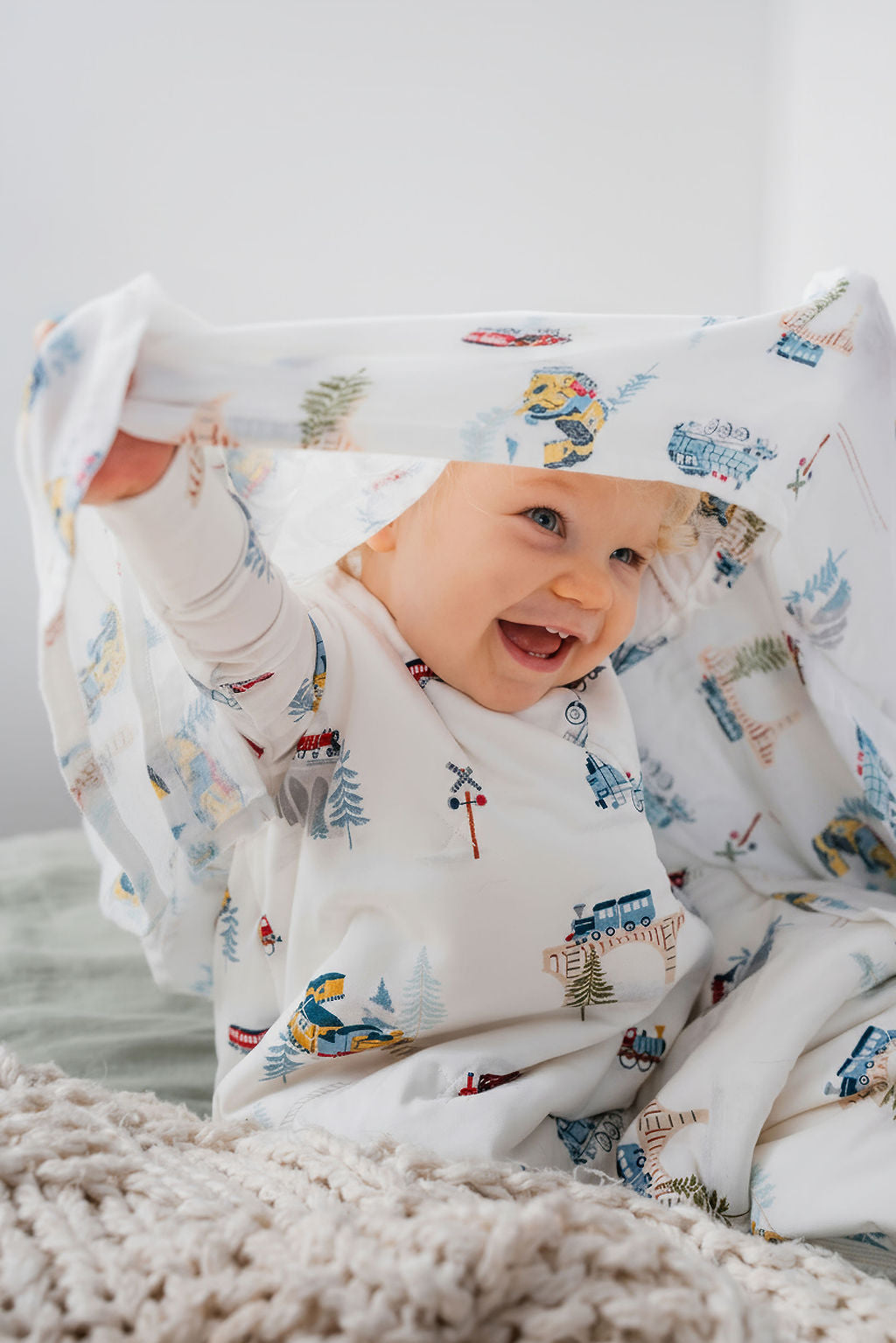
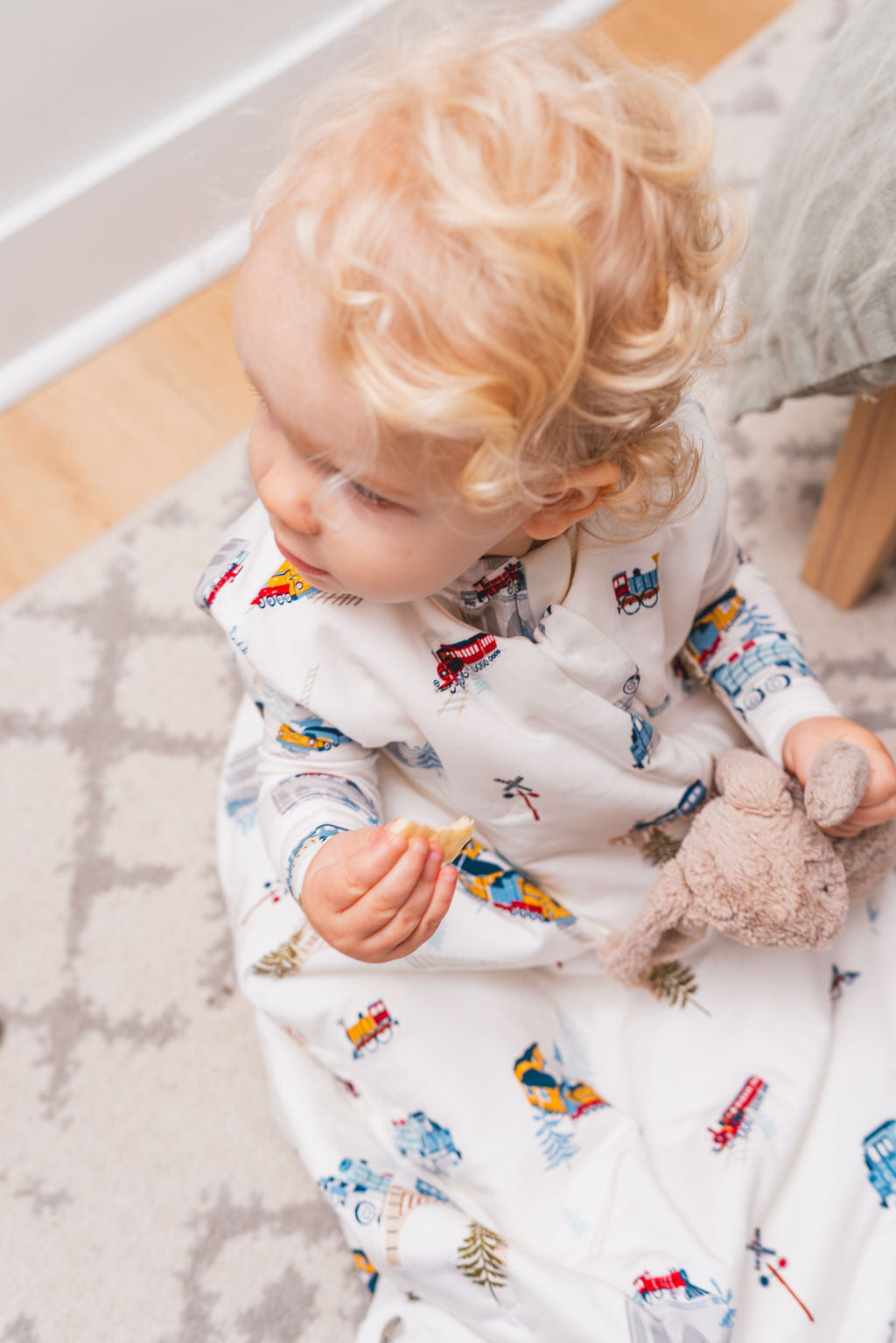
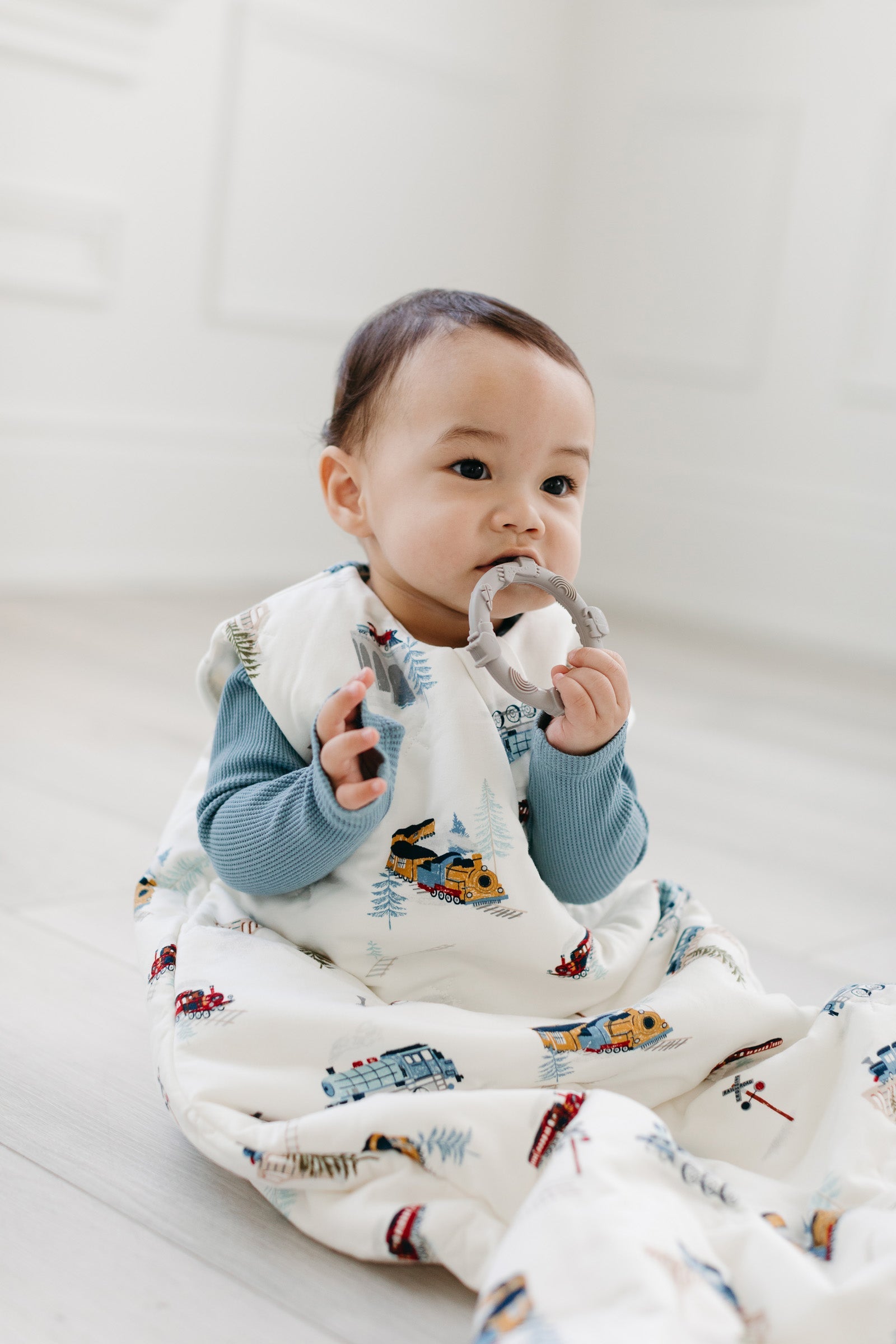
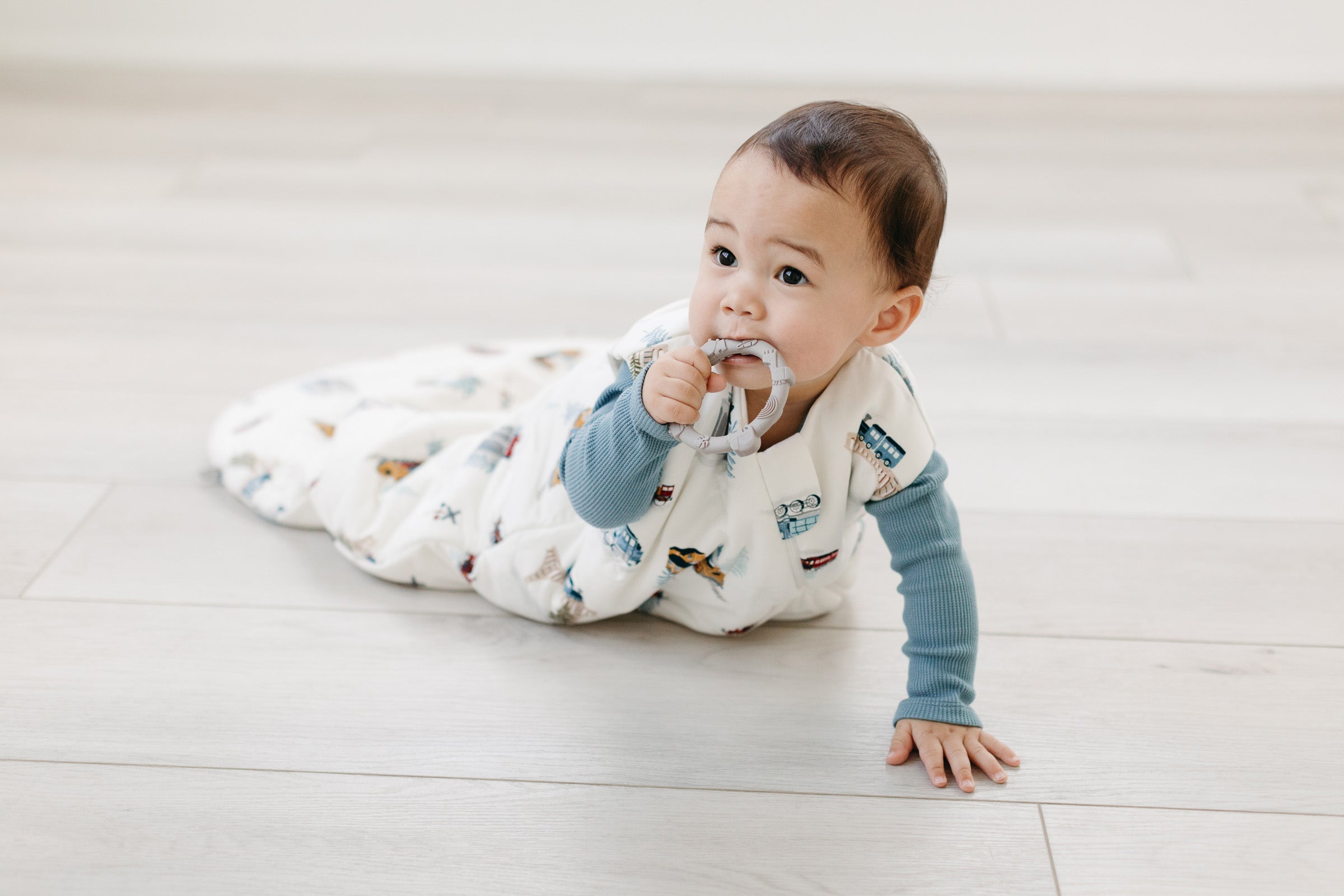
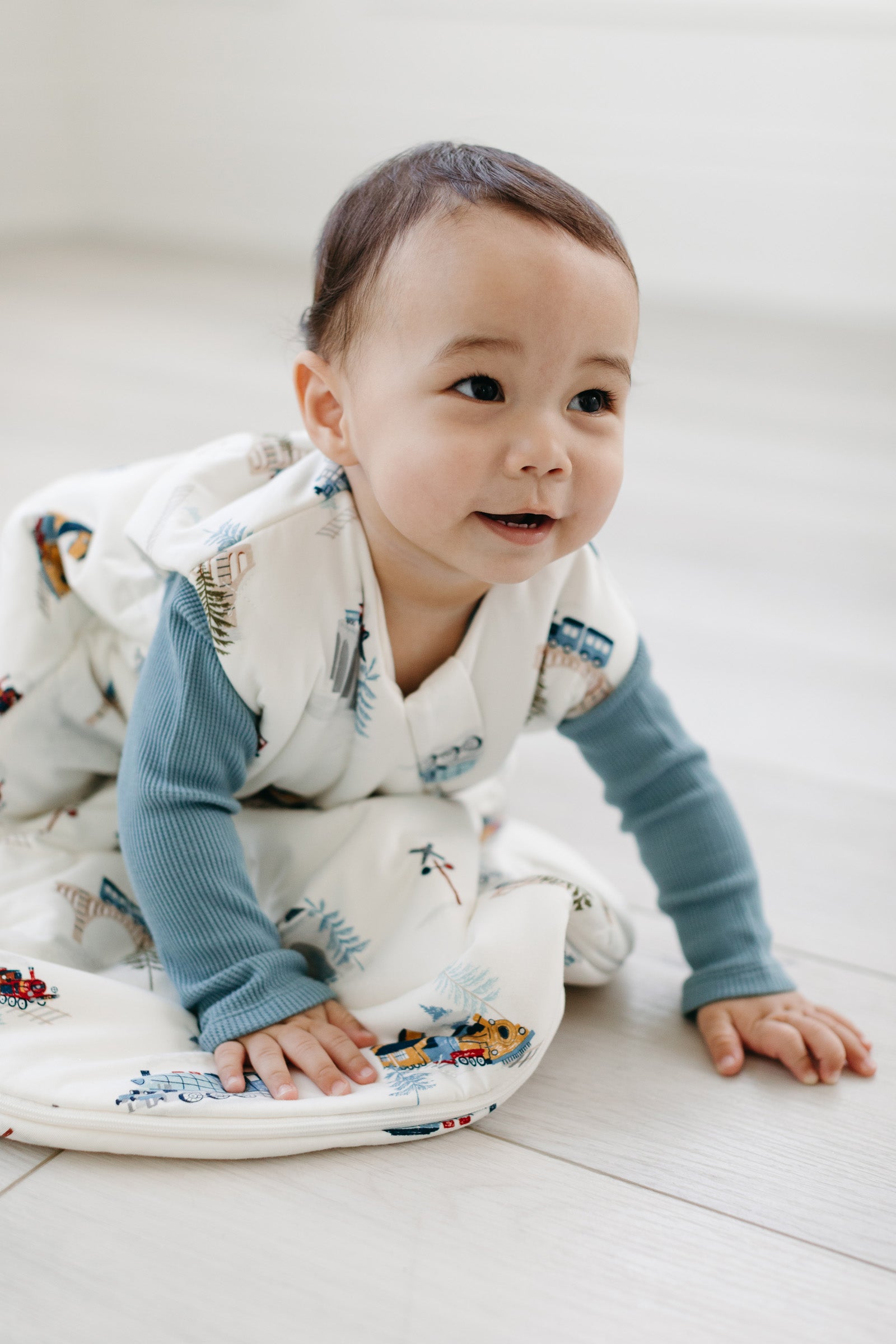
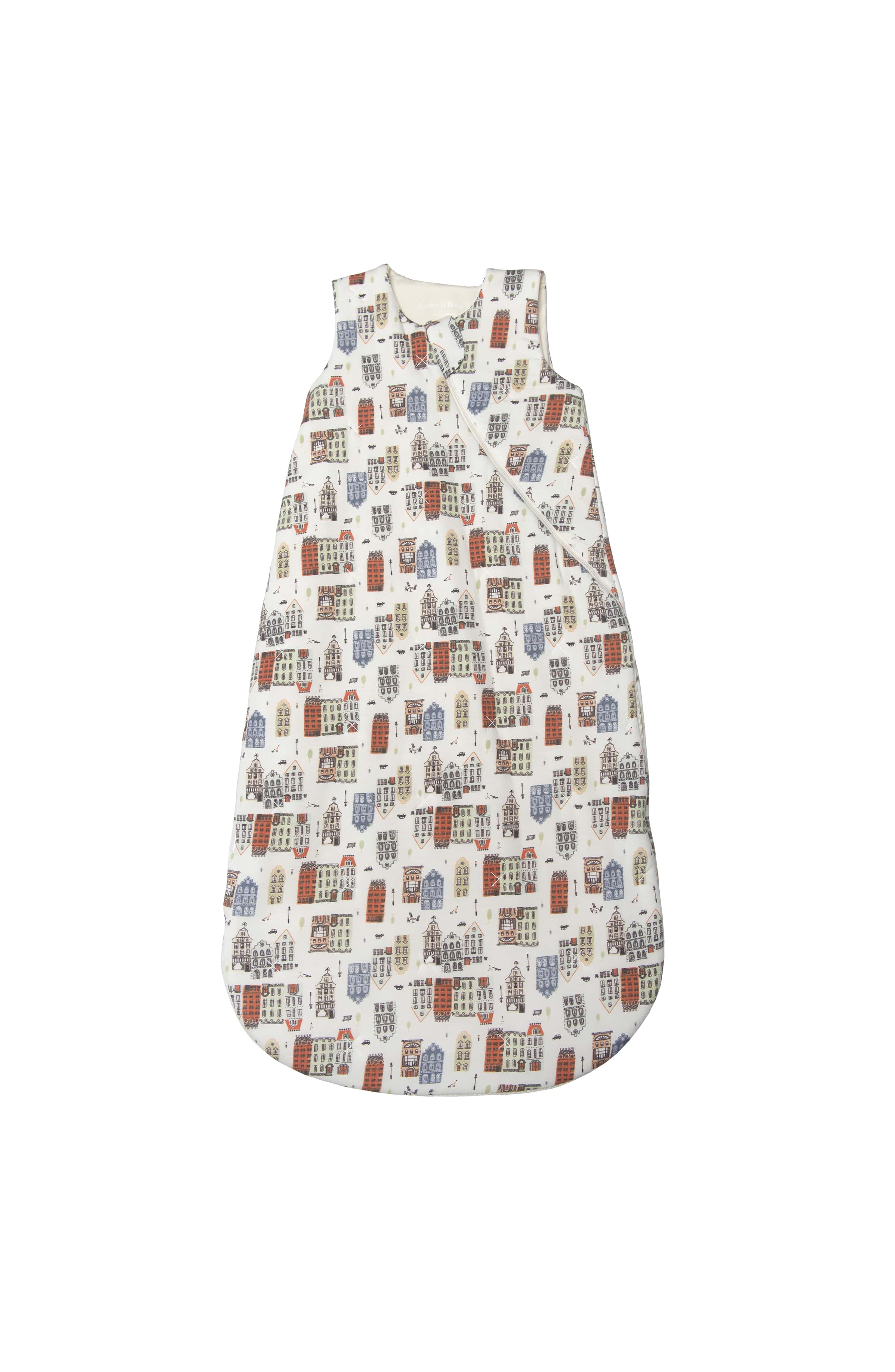


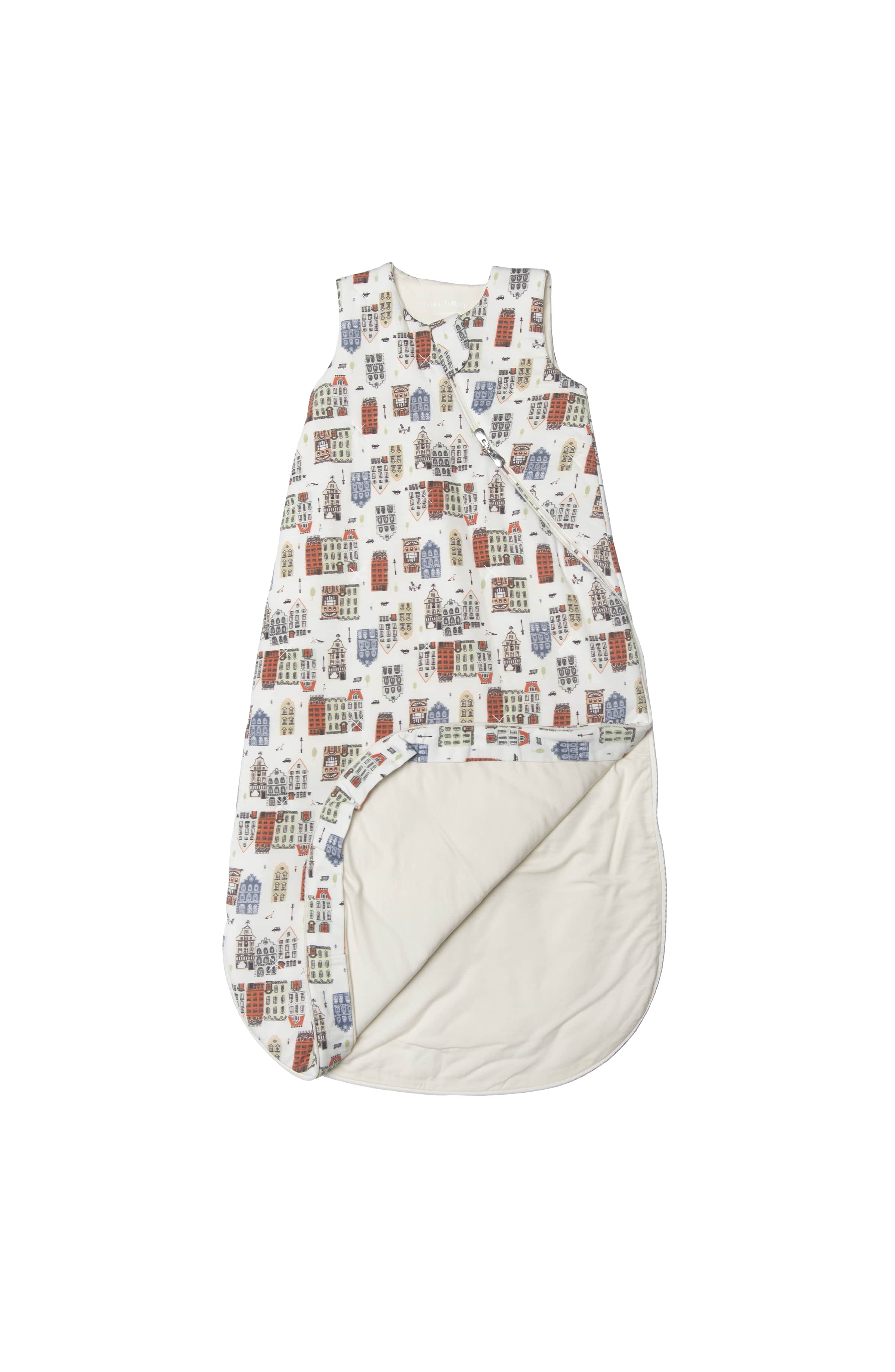
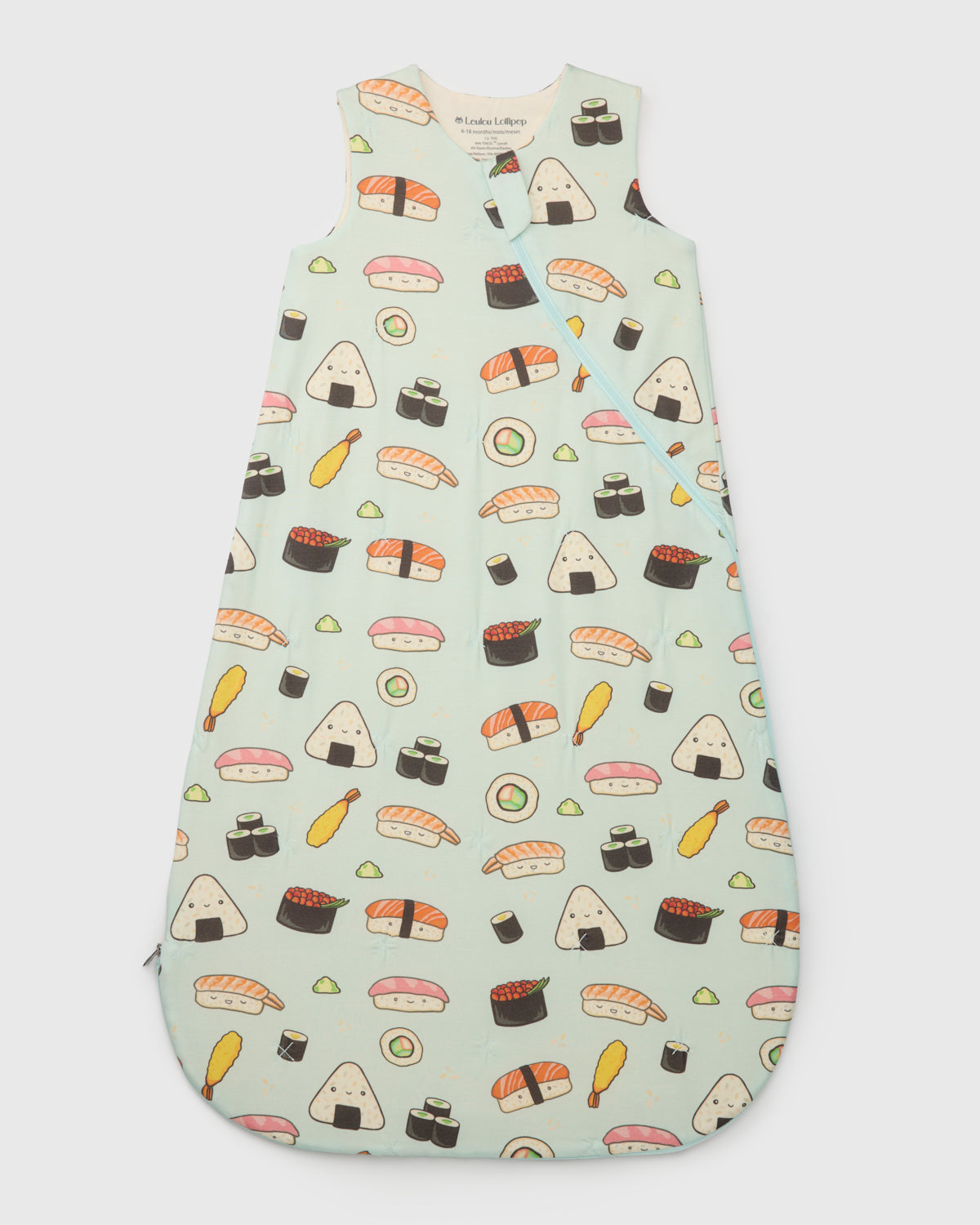
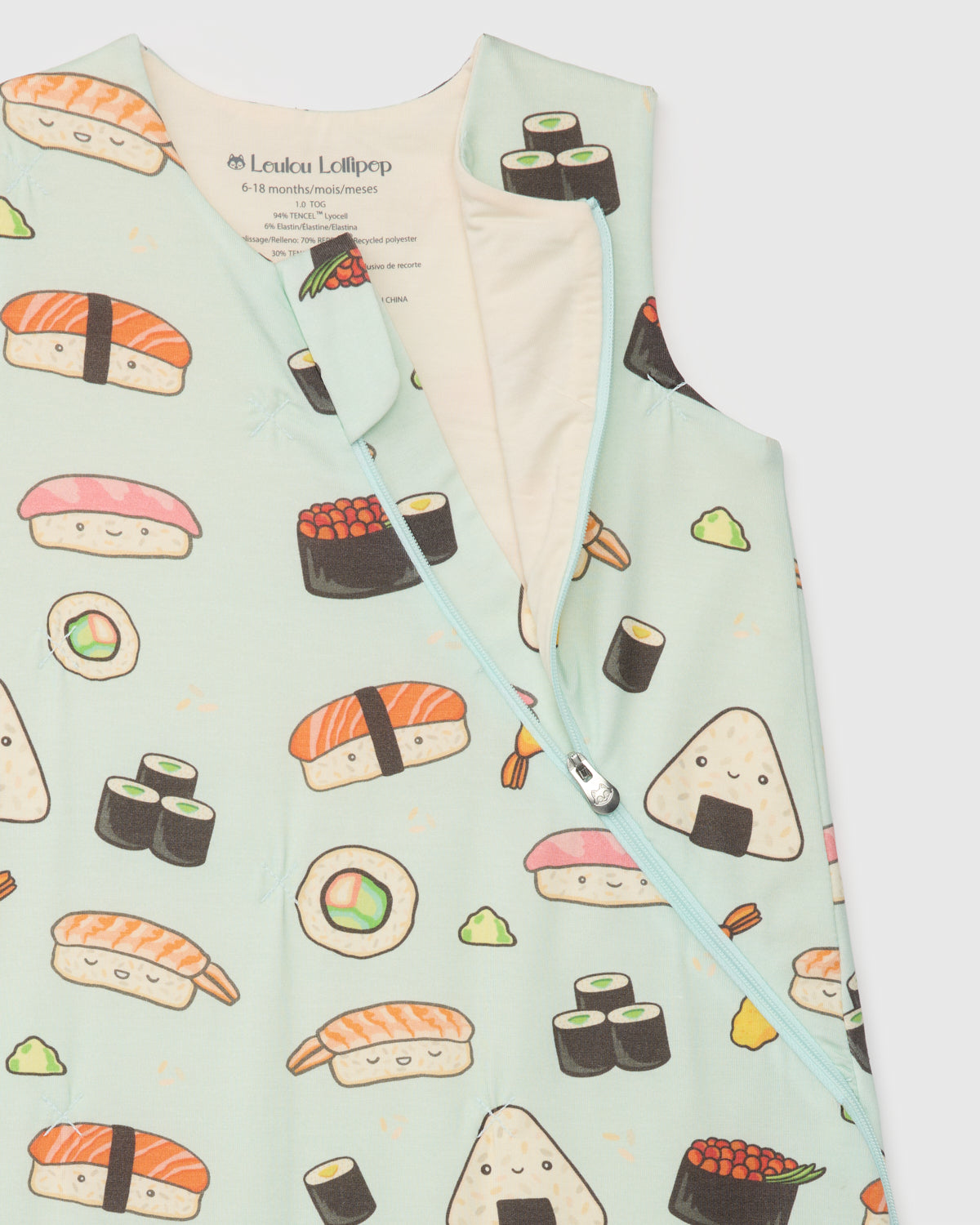
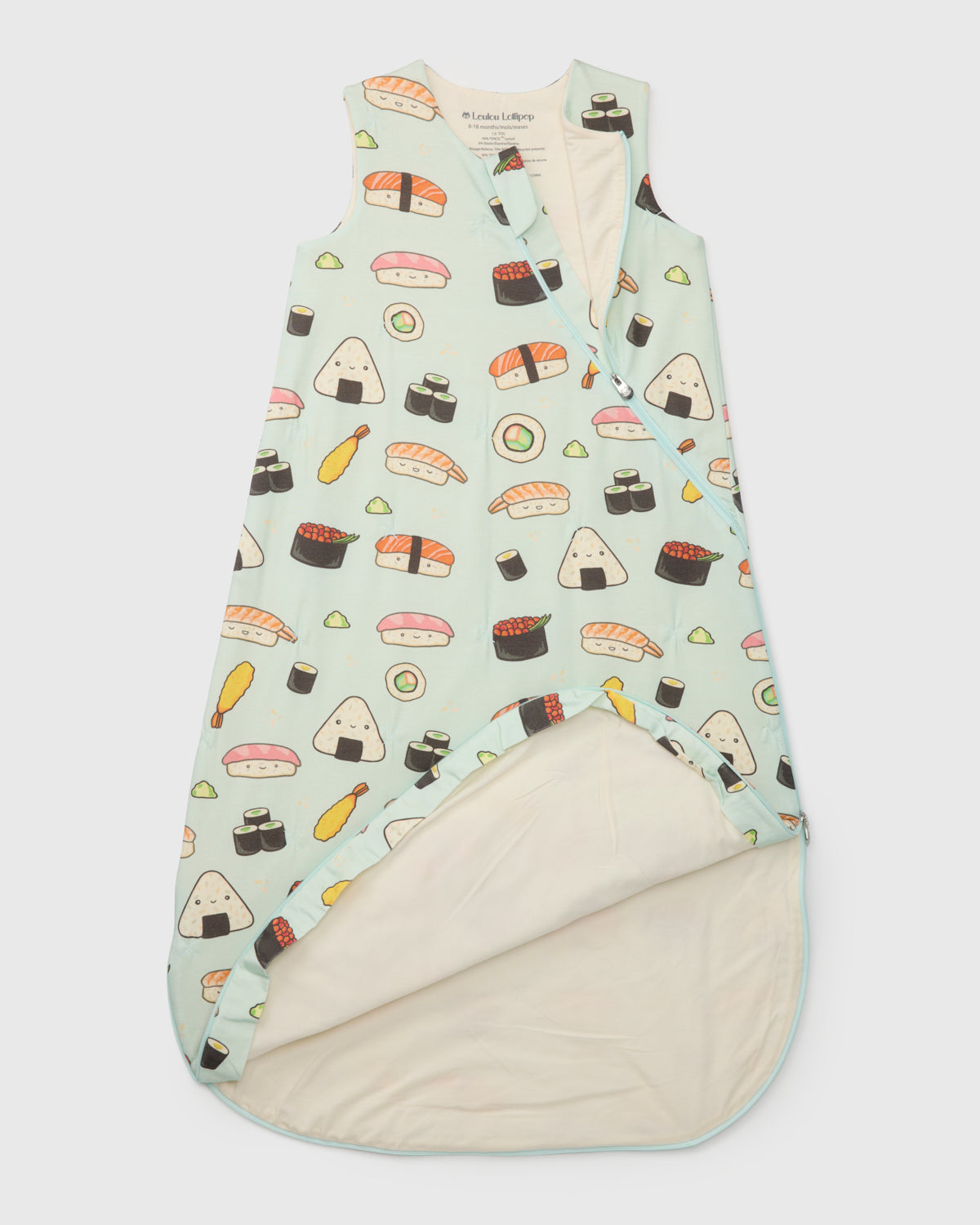
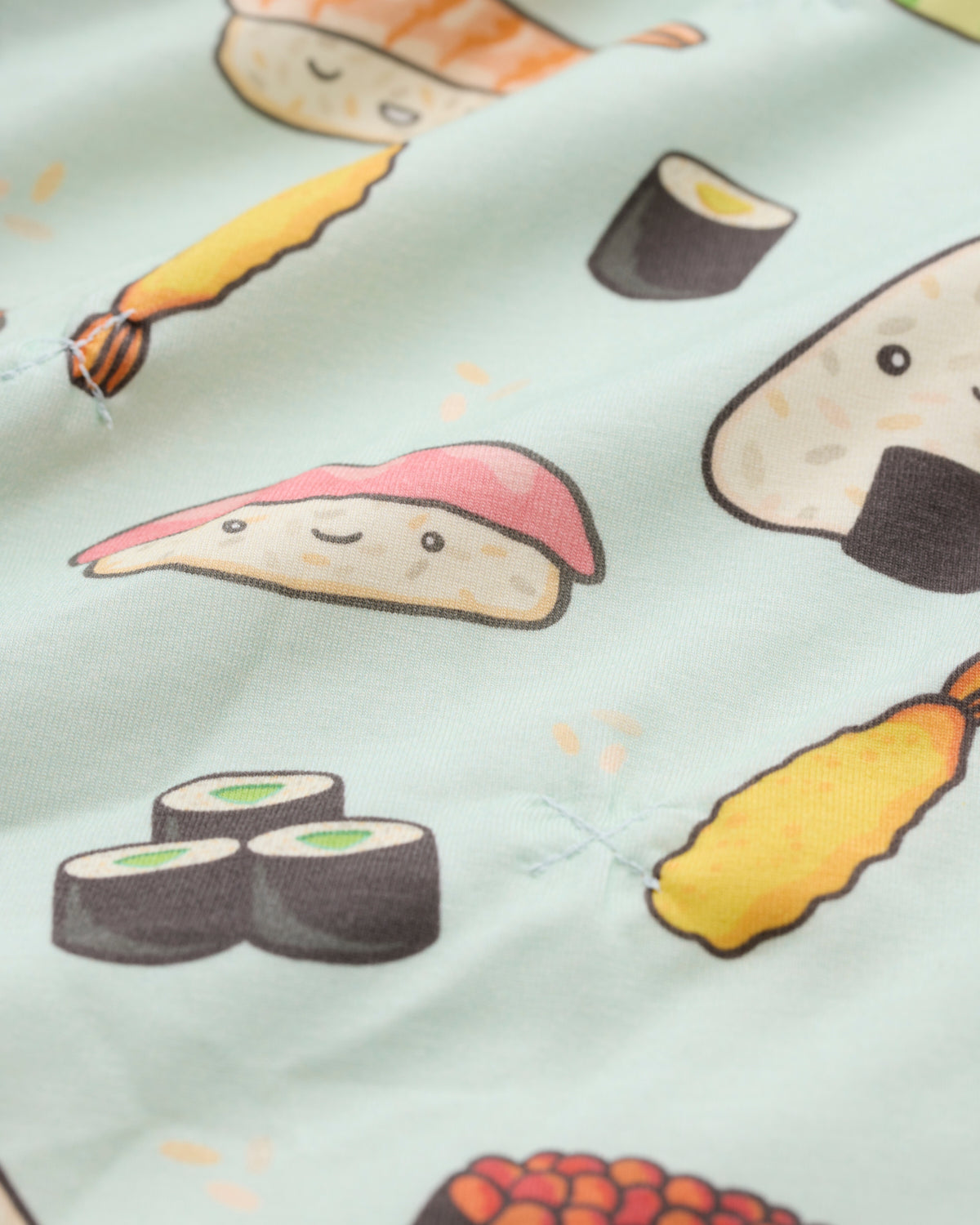
1.0 TOG
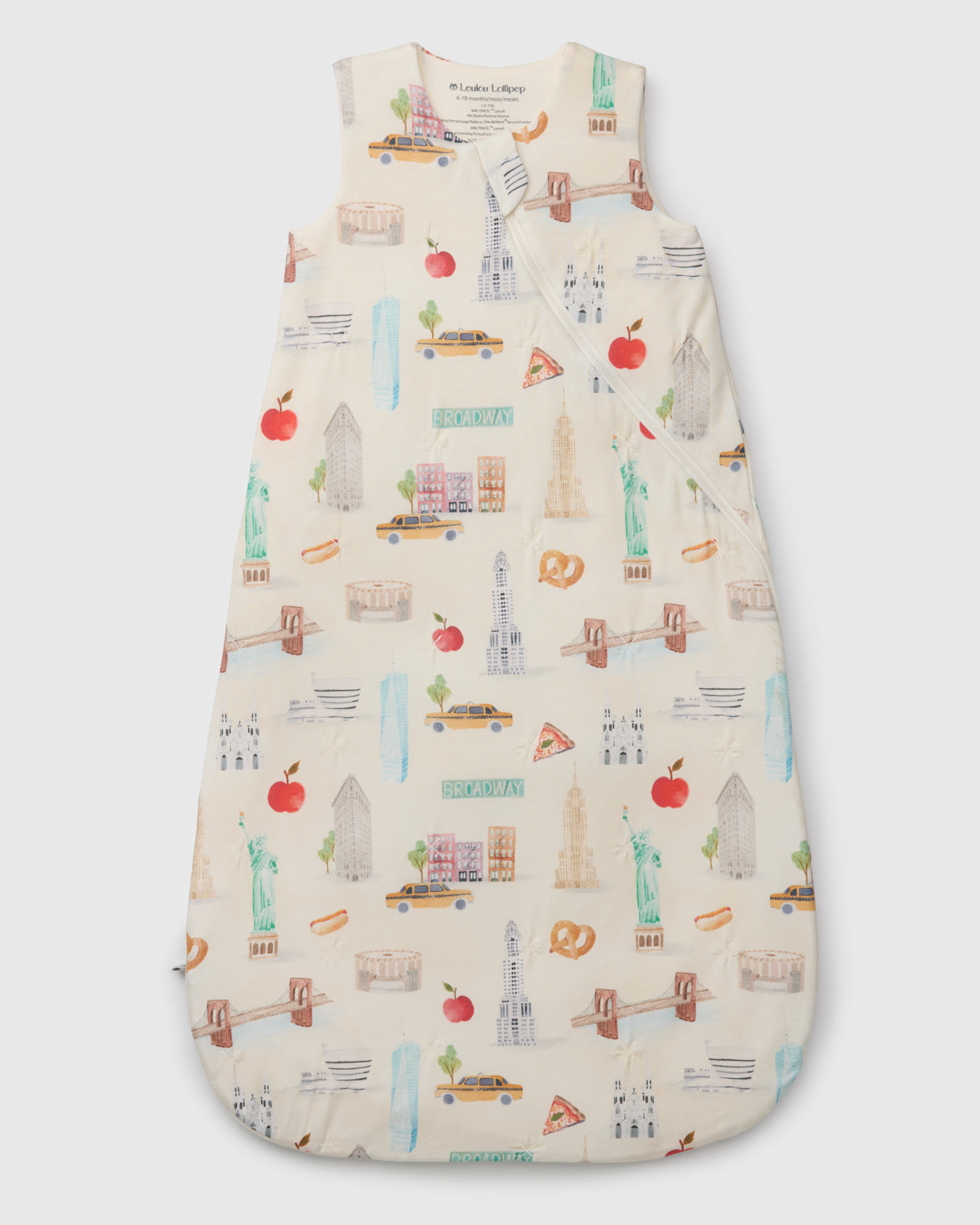
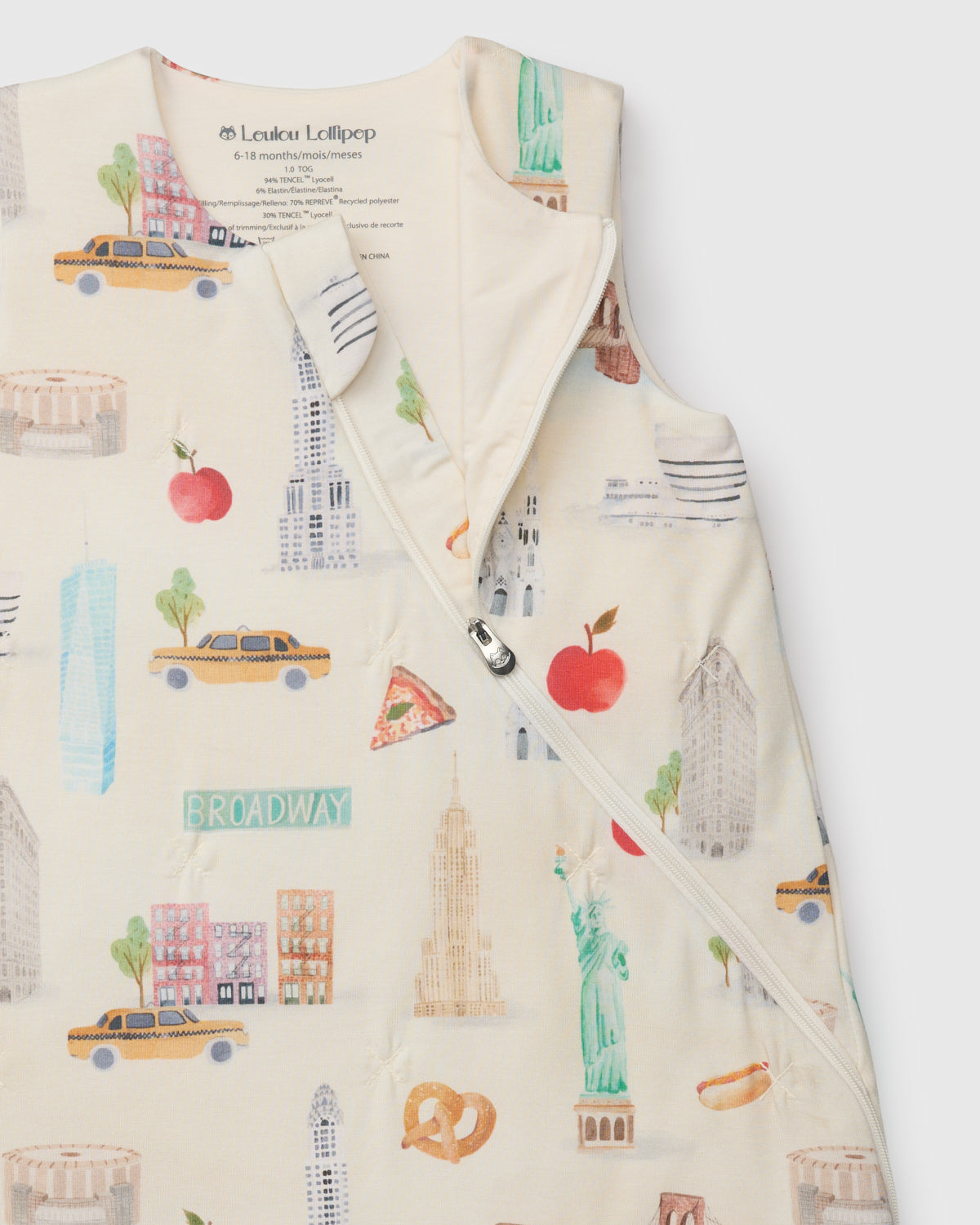
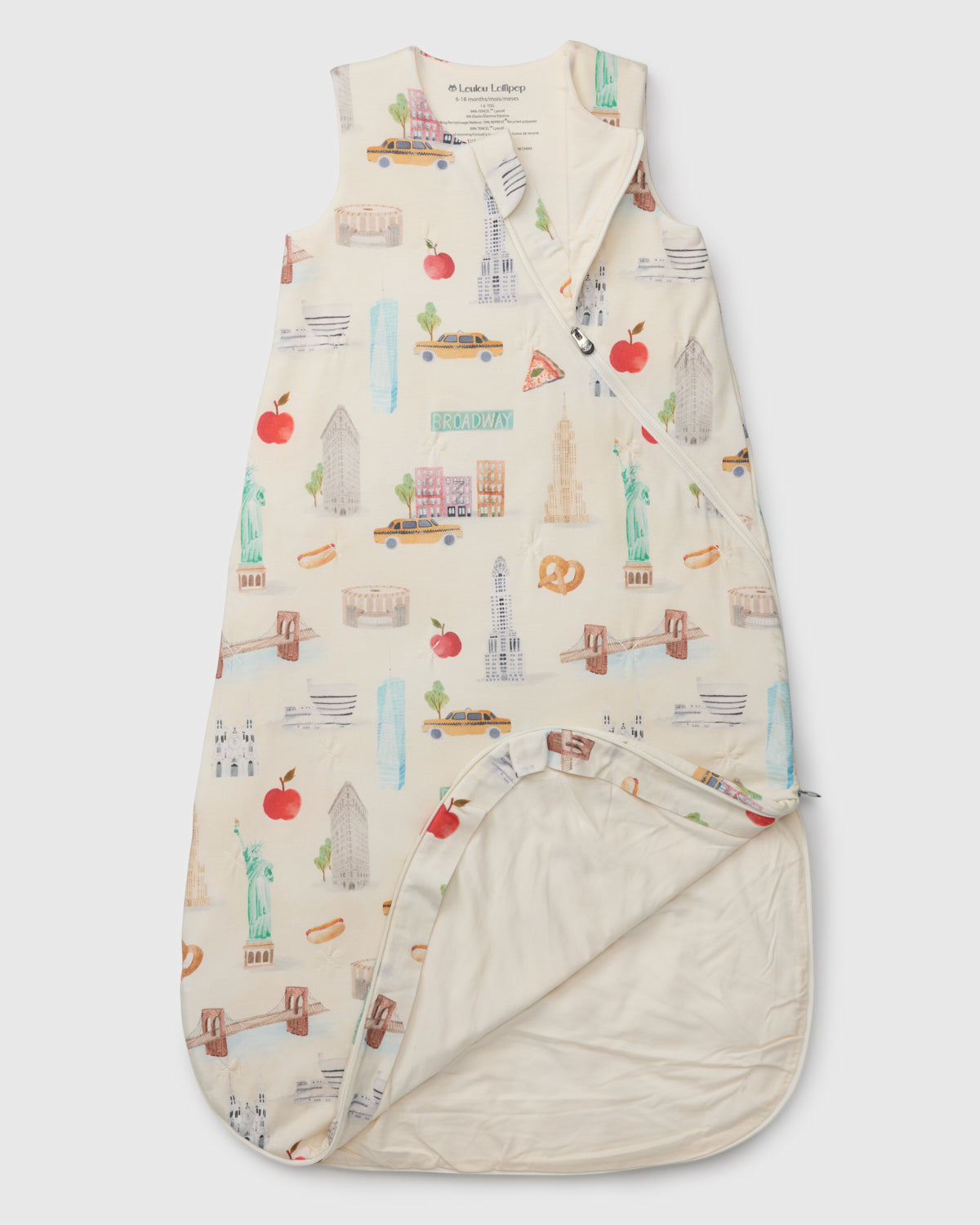
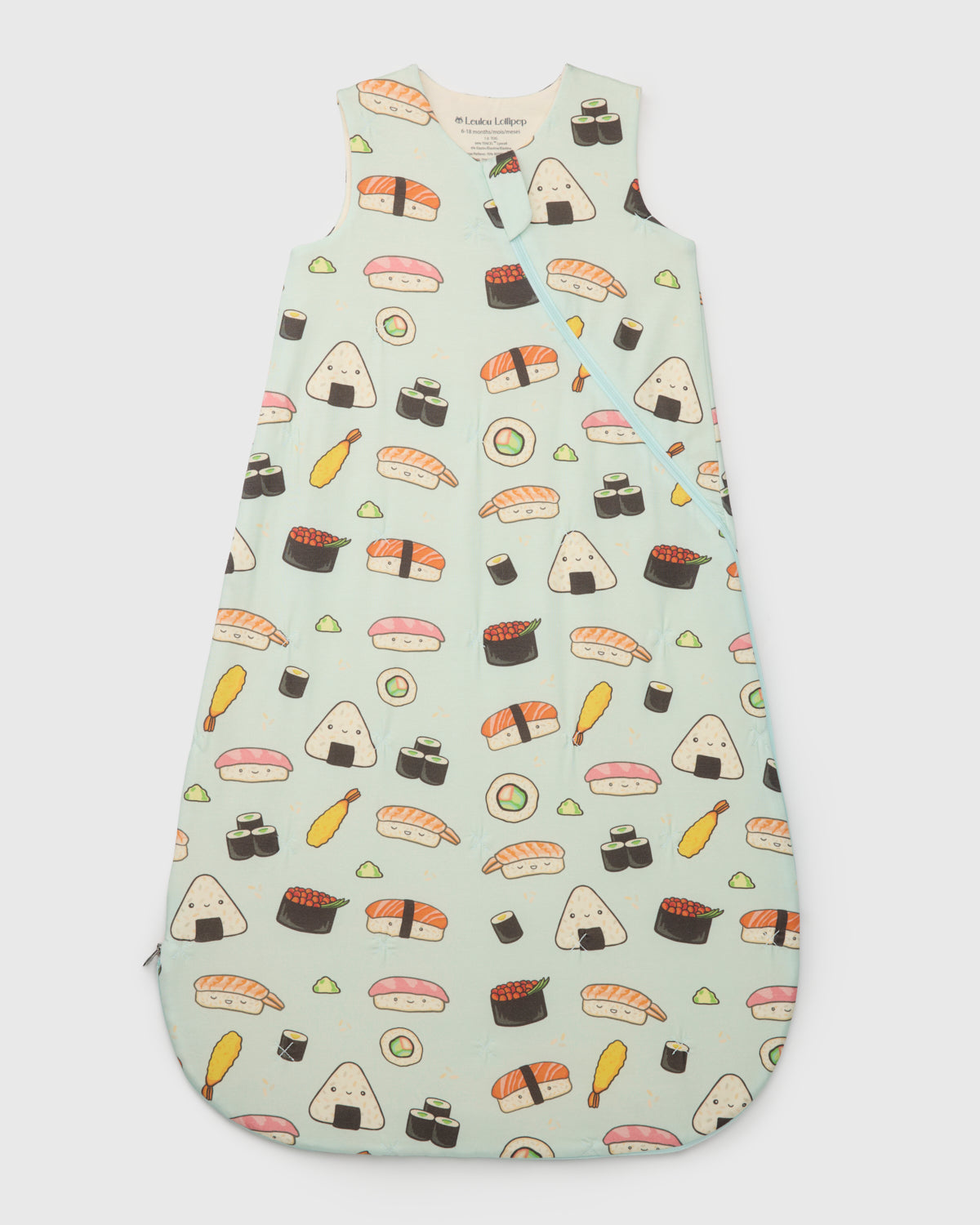
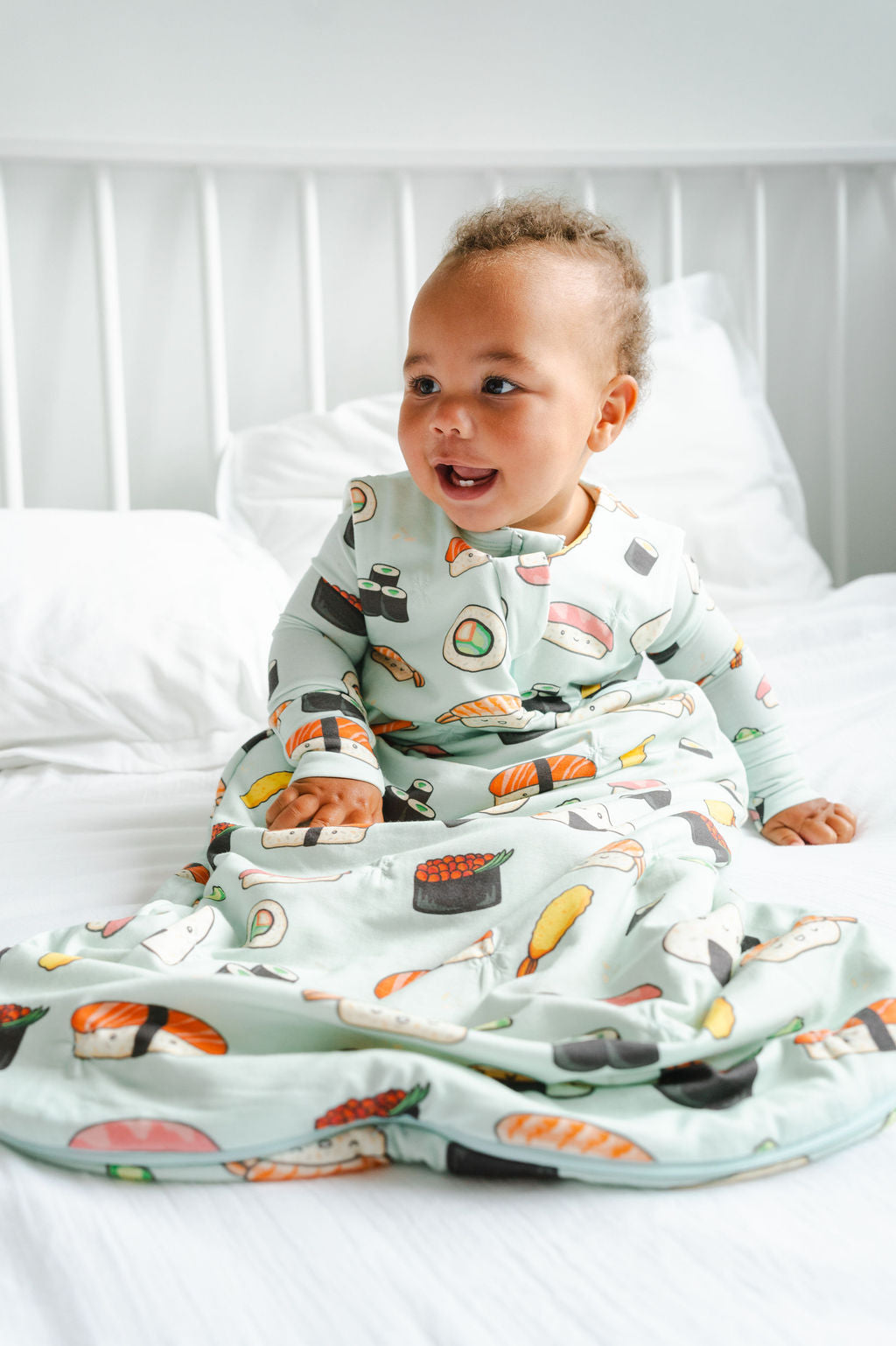
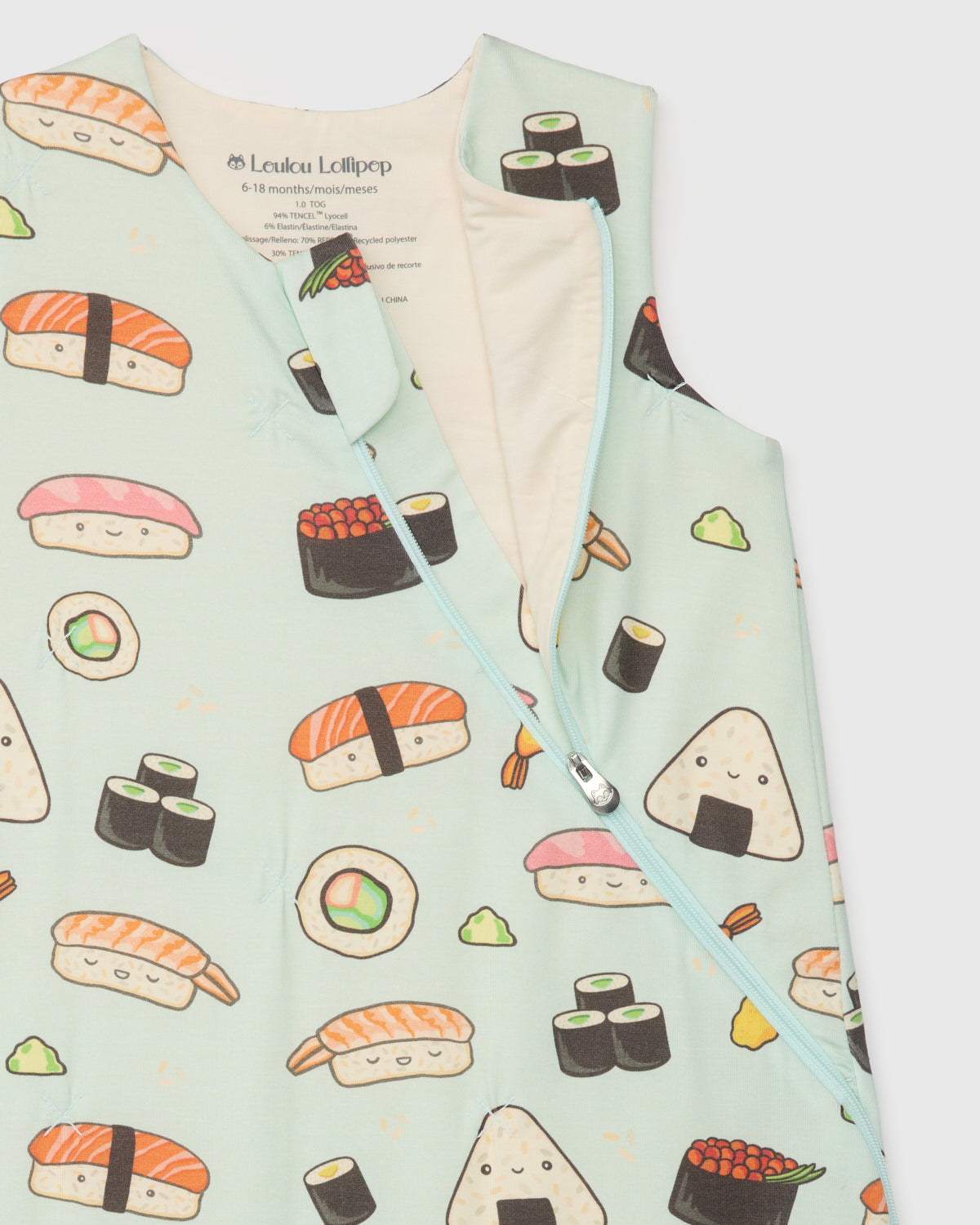
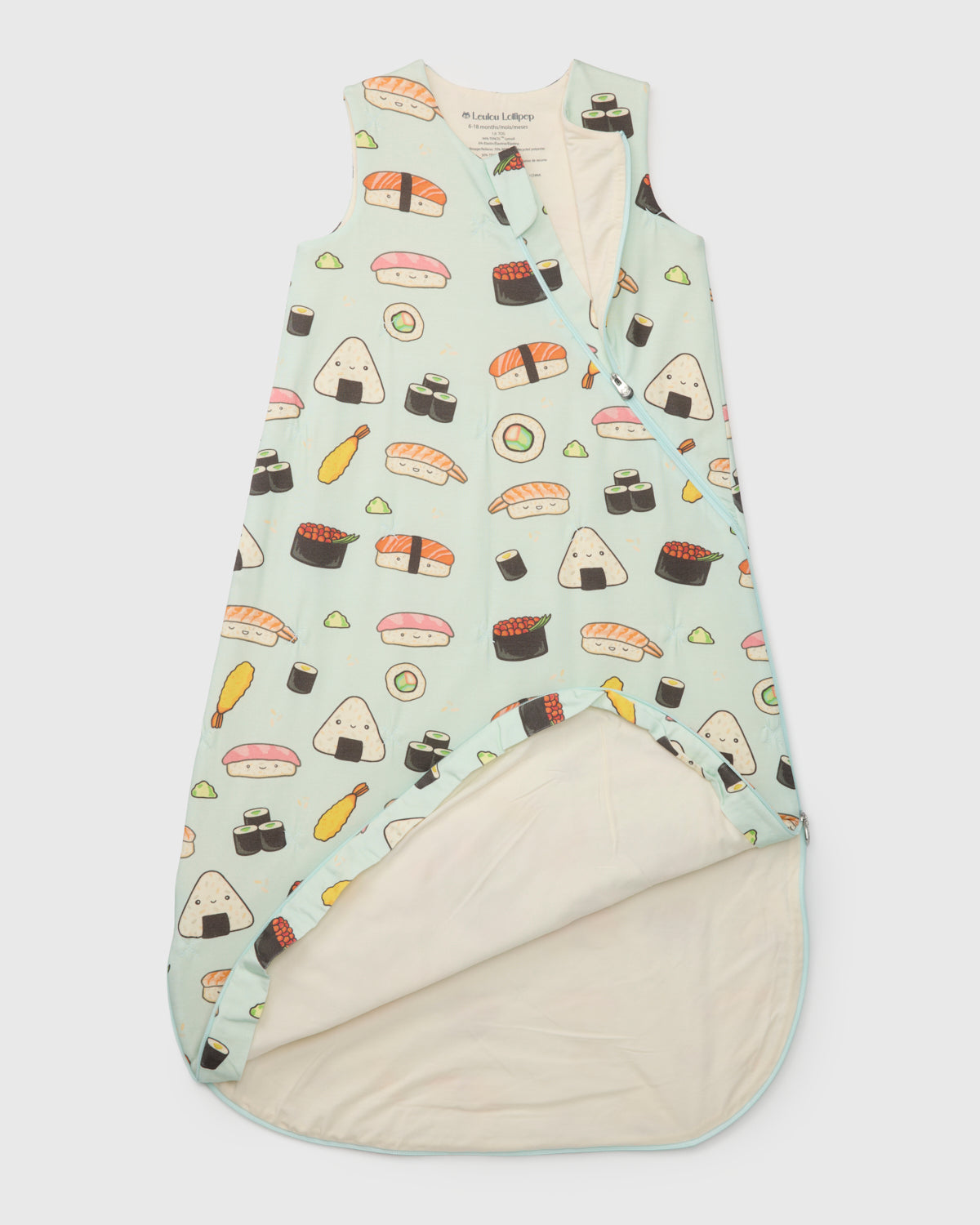
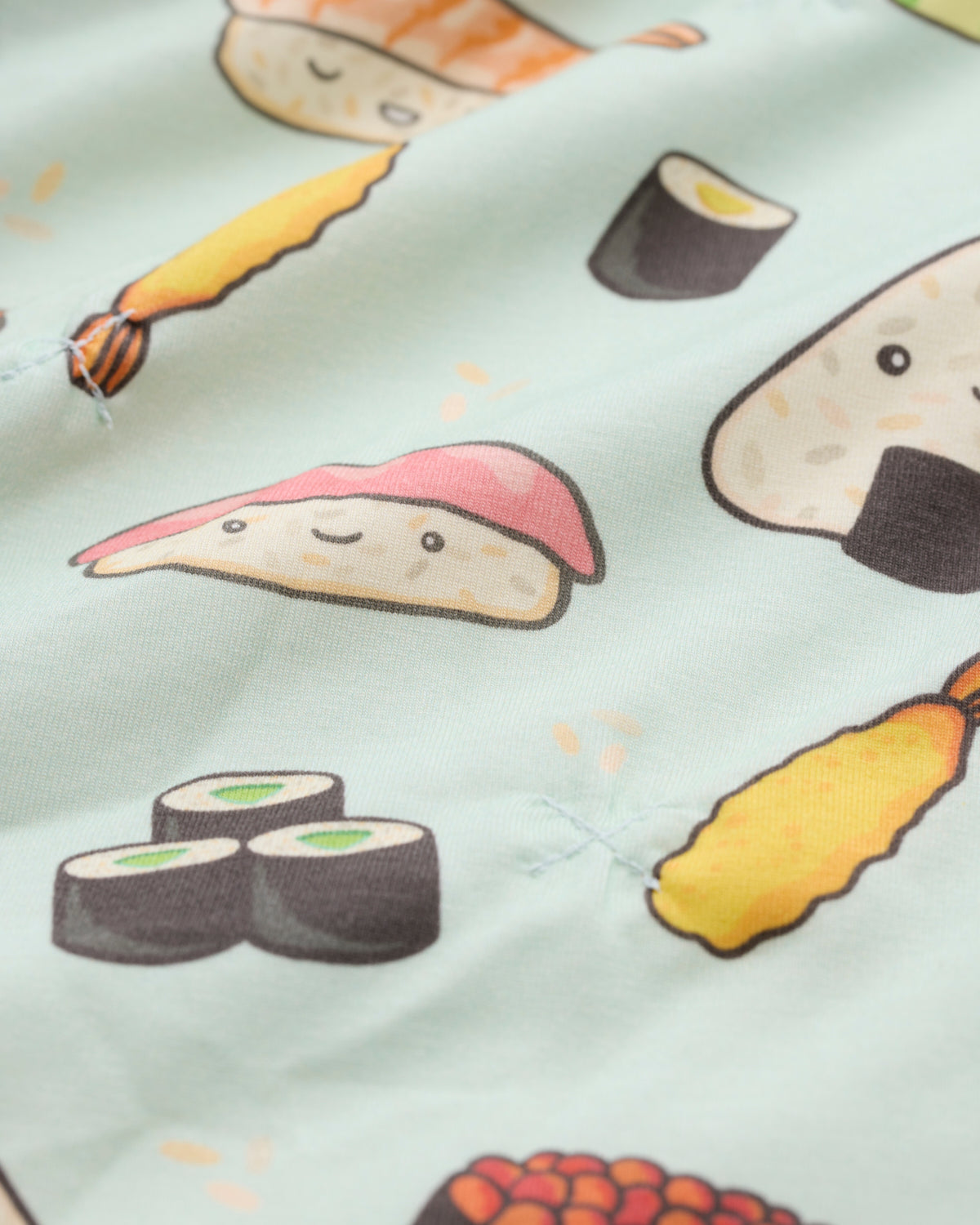
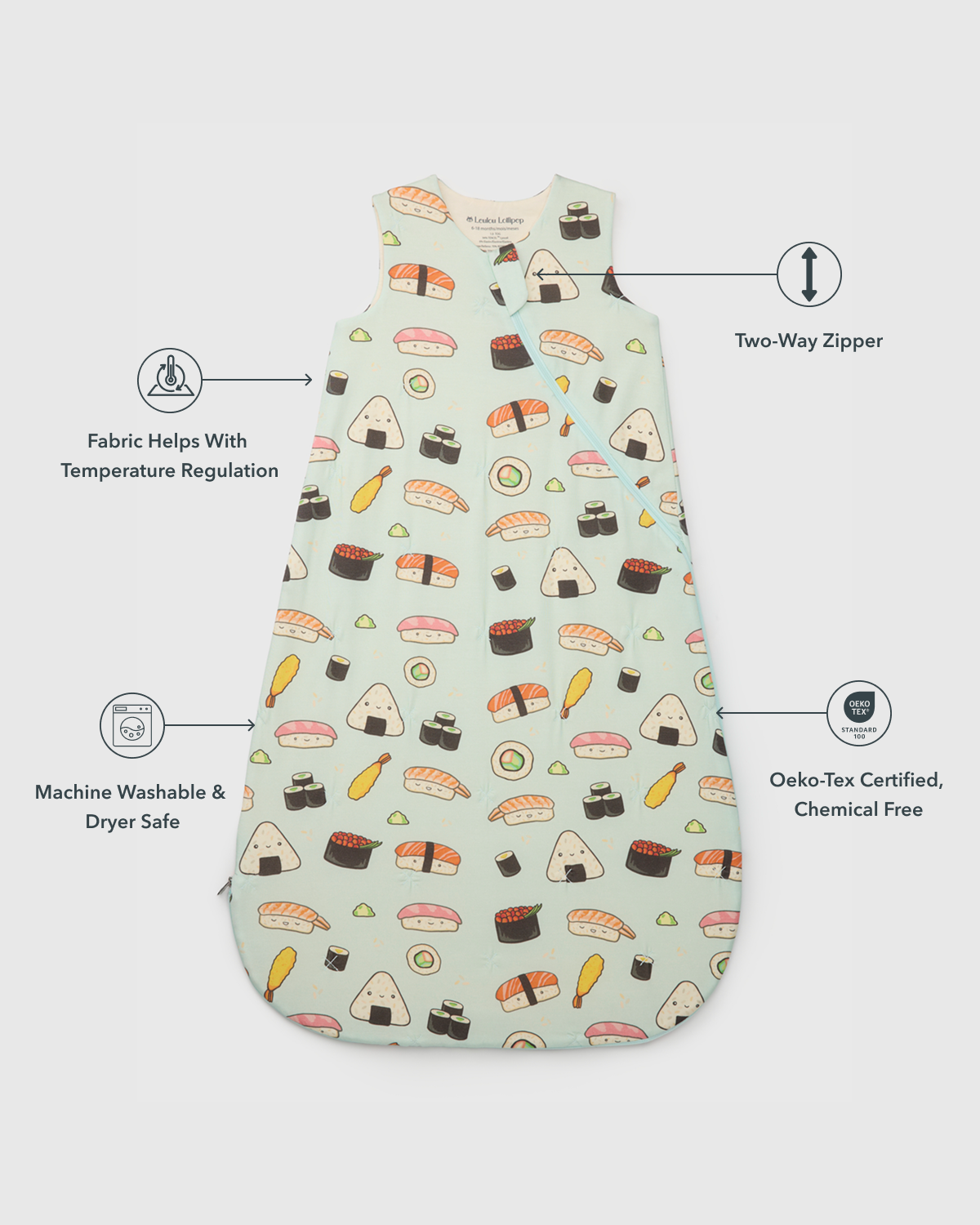
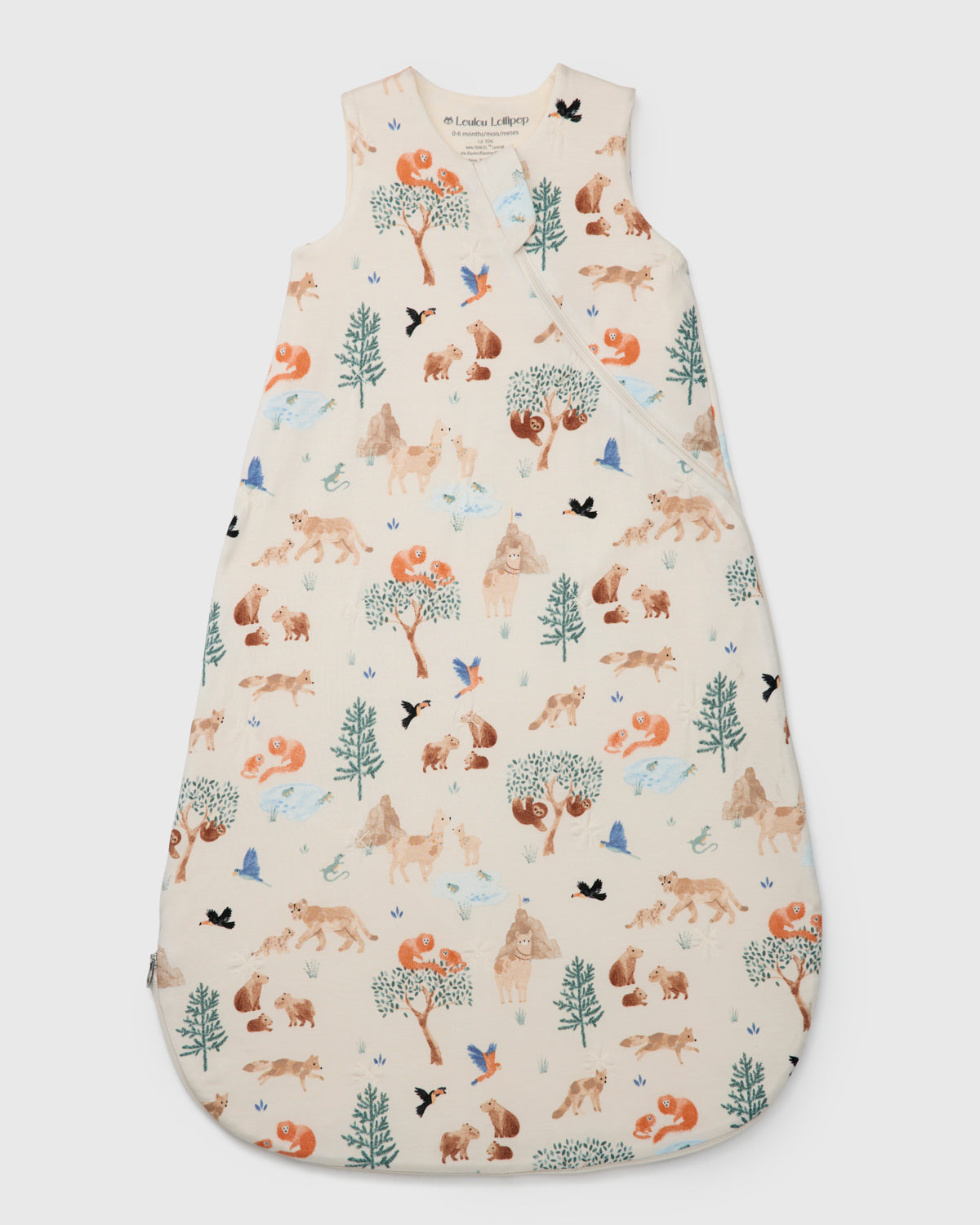
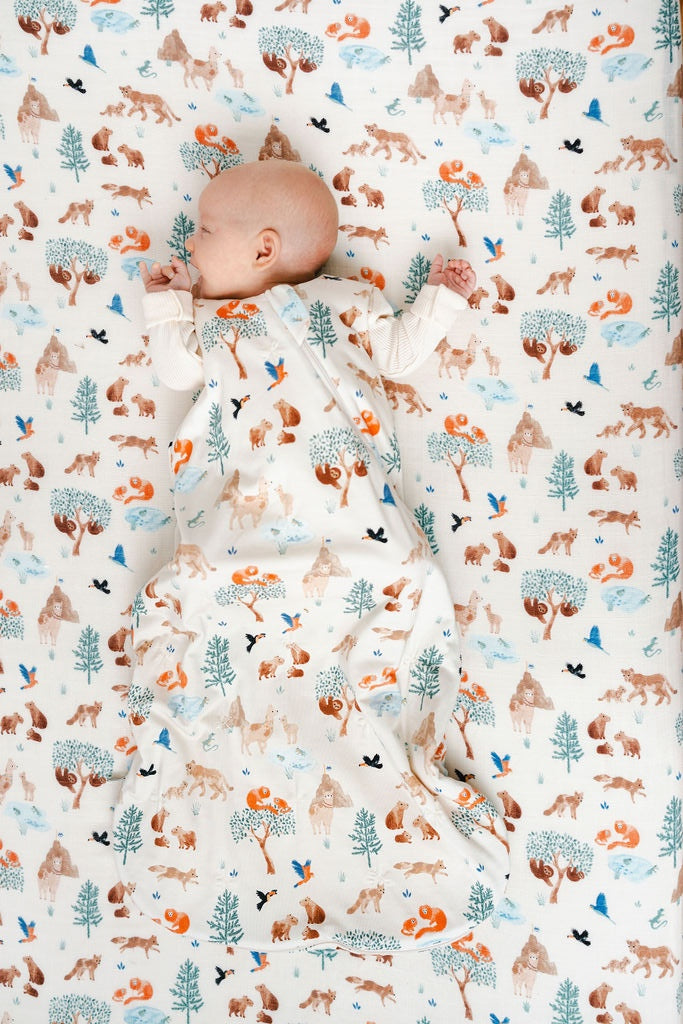
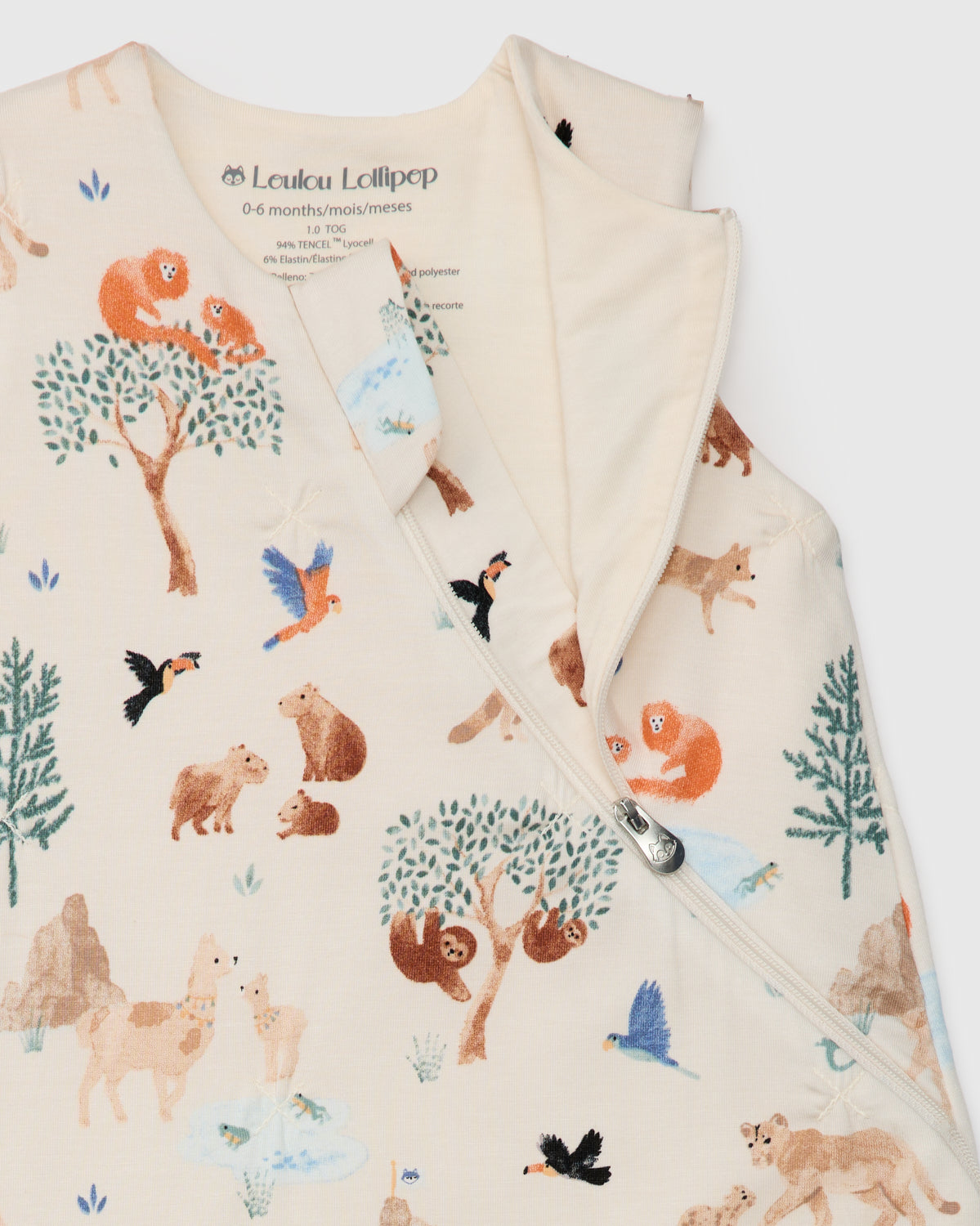
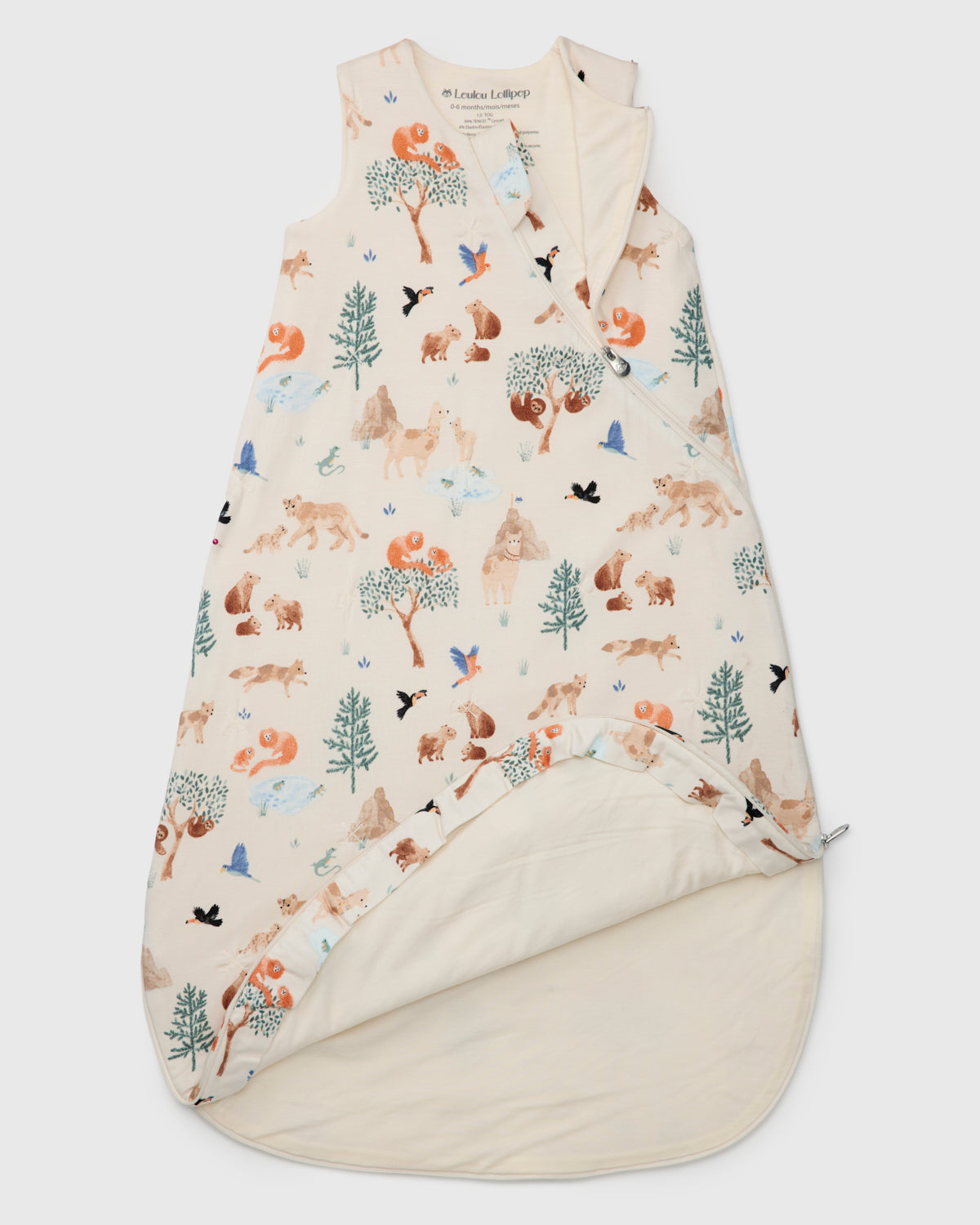
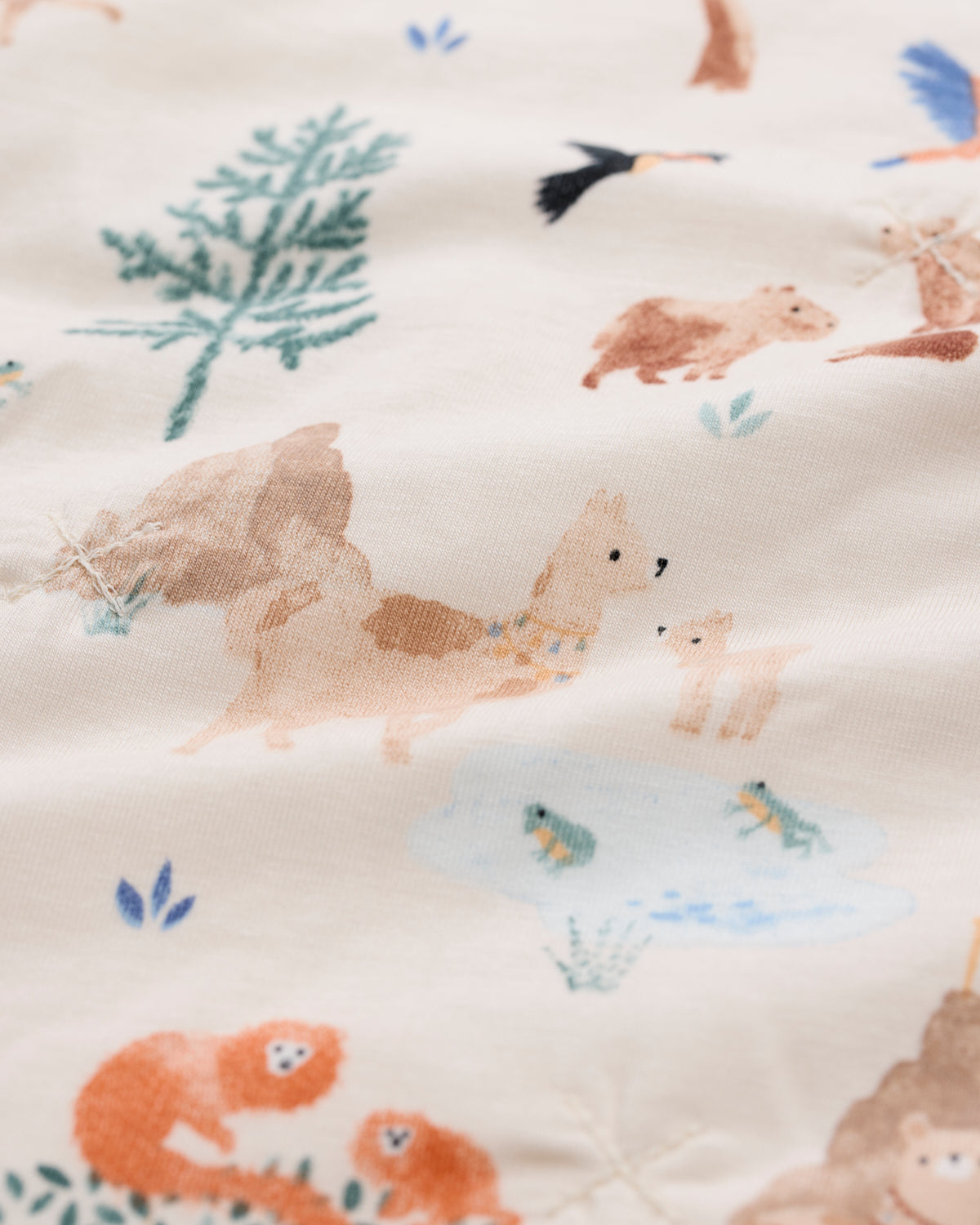
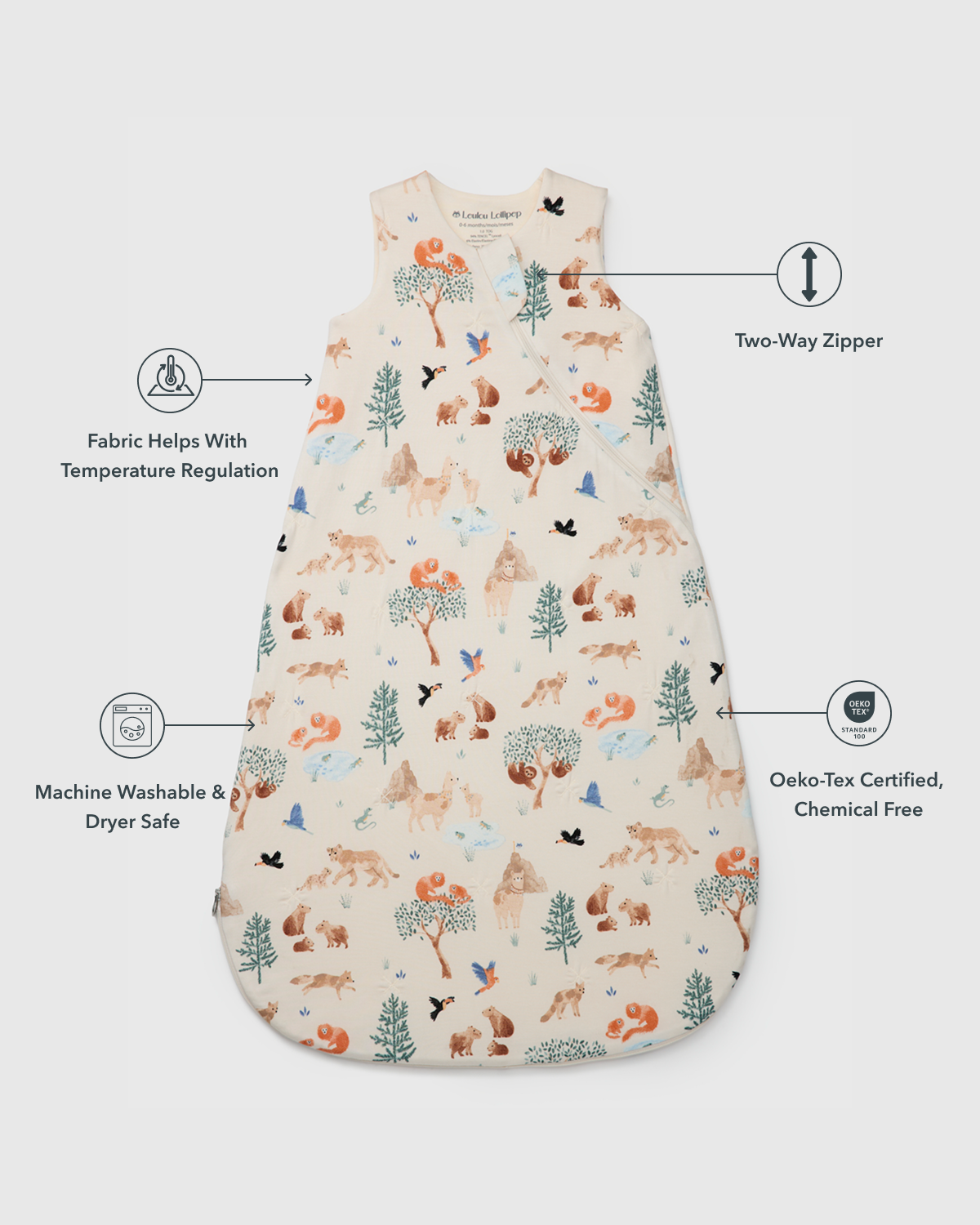


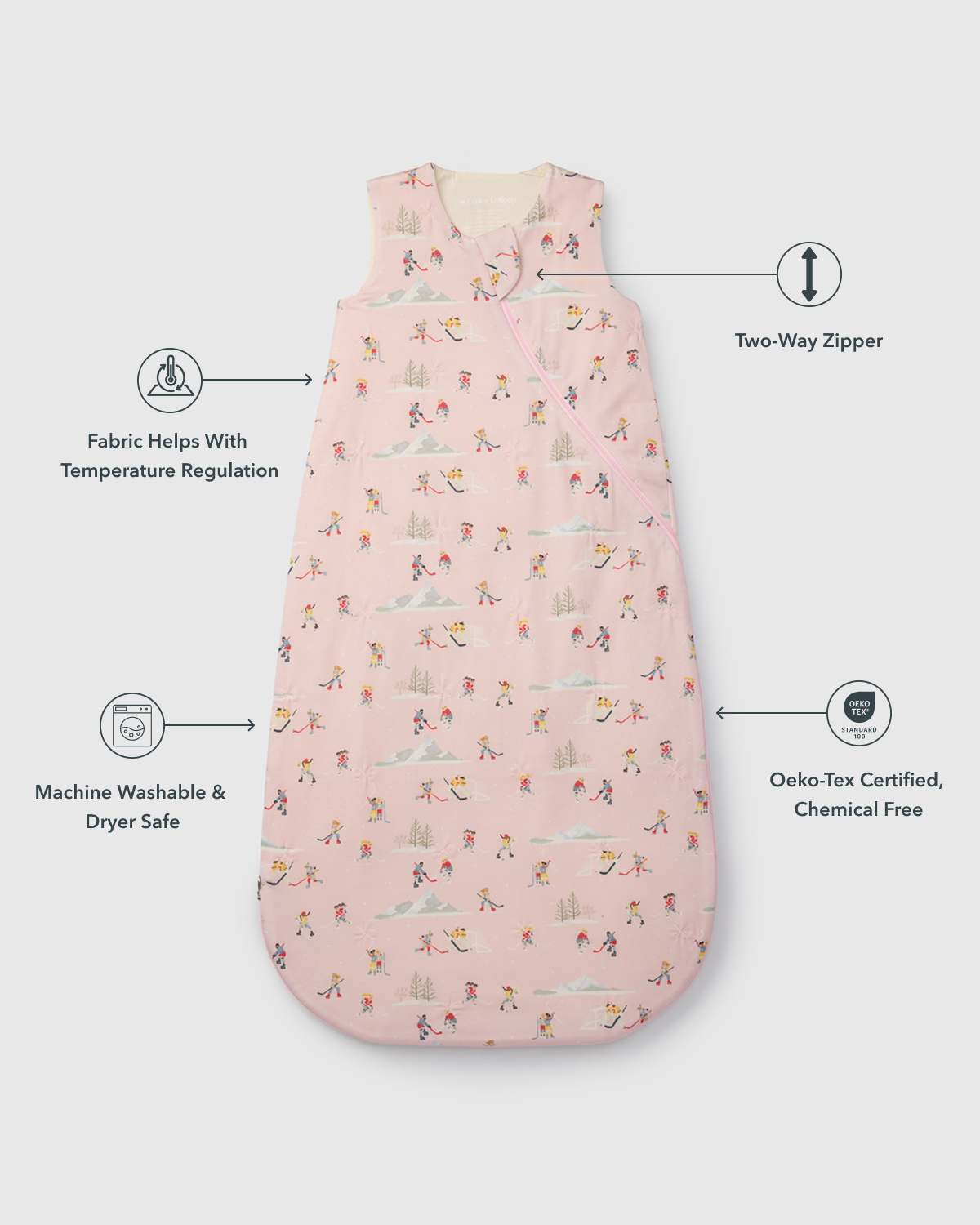
0.5 TOG
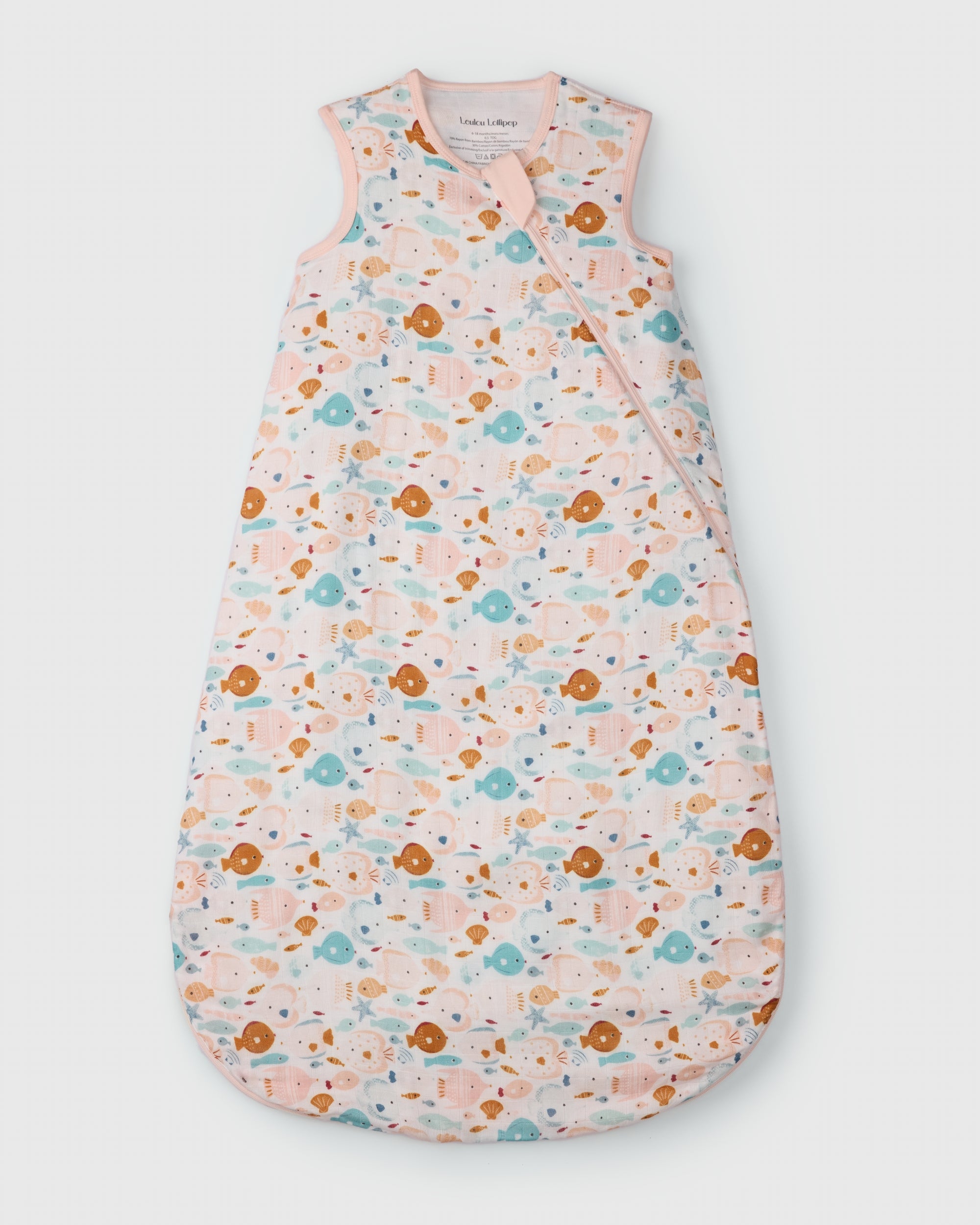
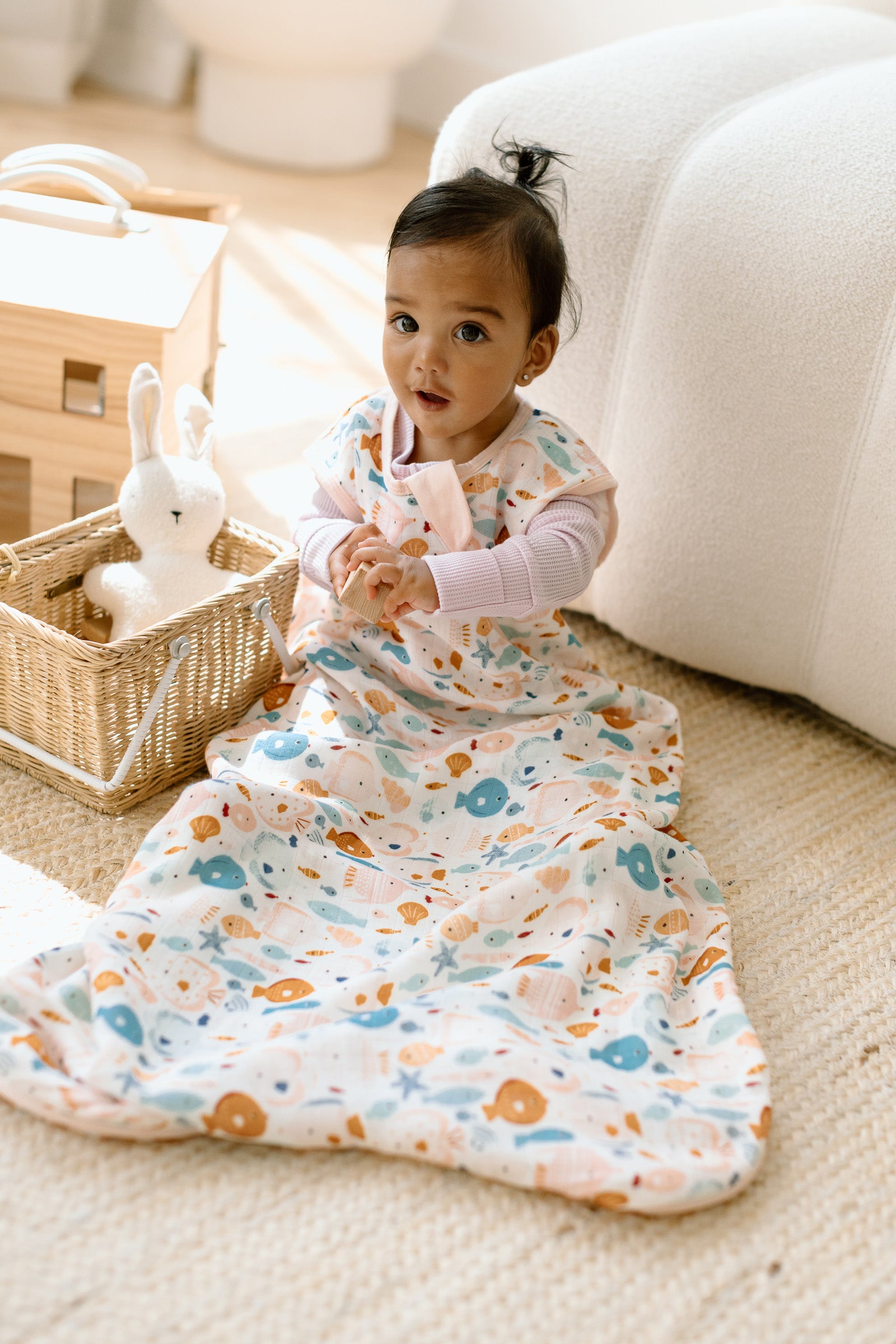
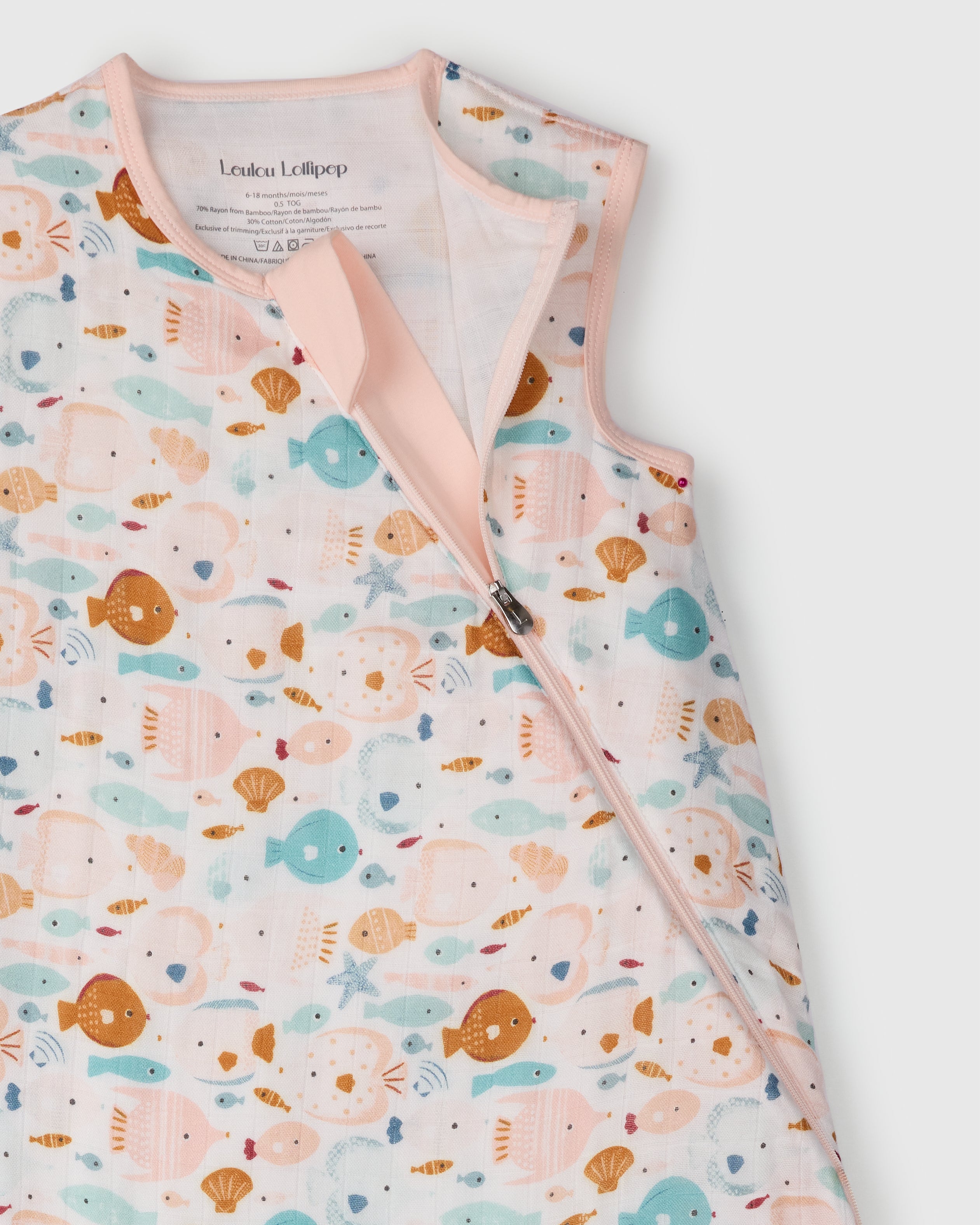
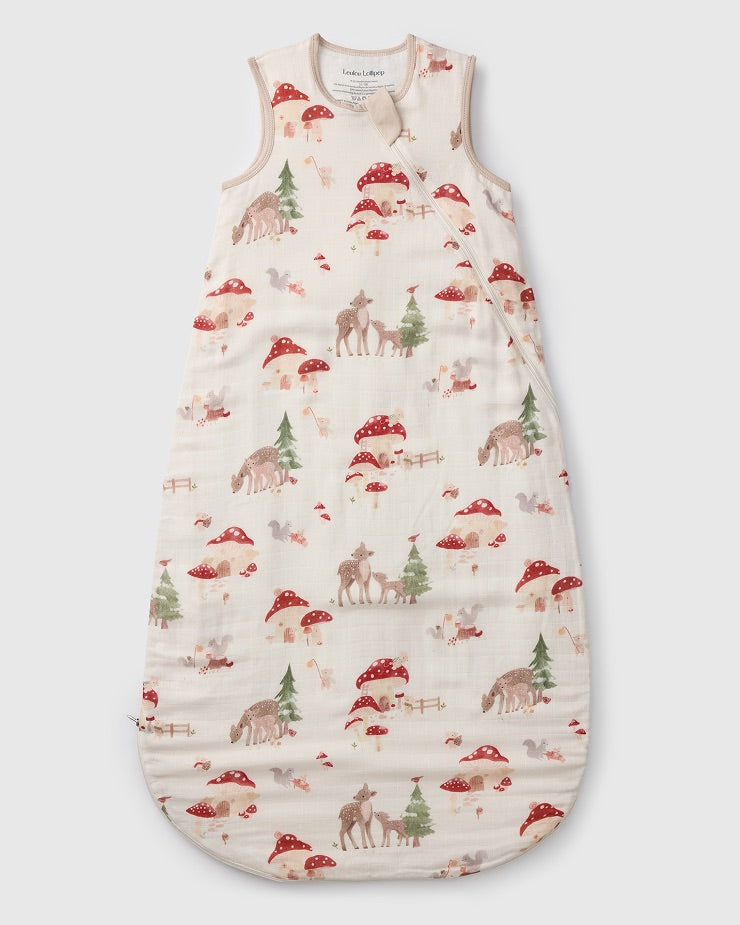
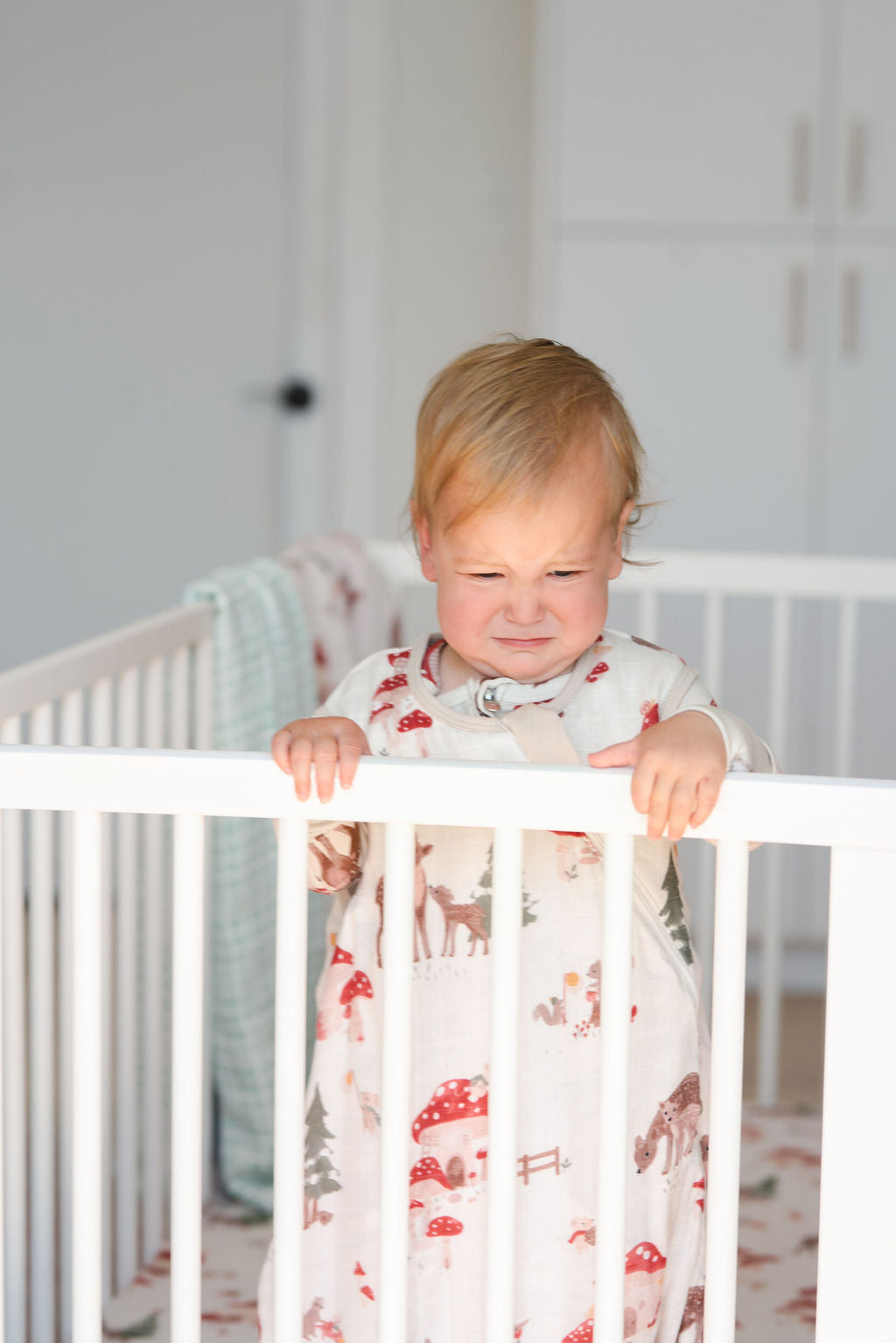
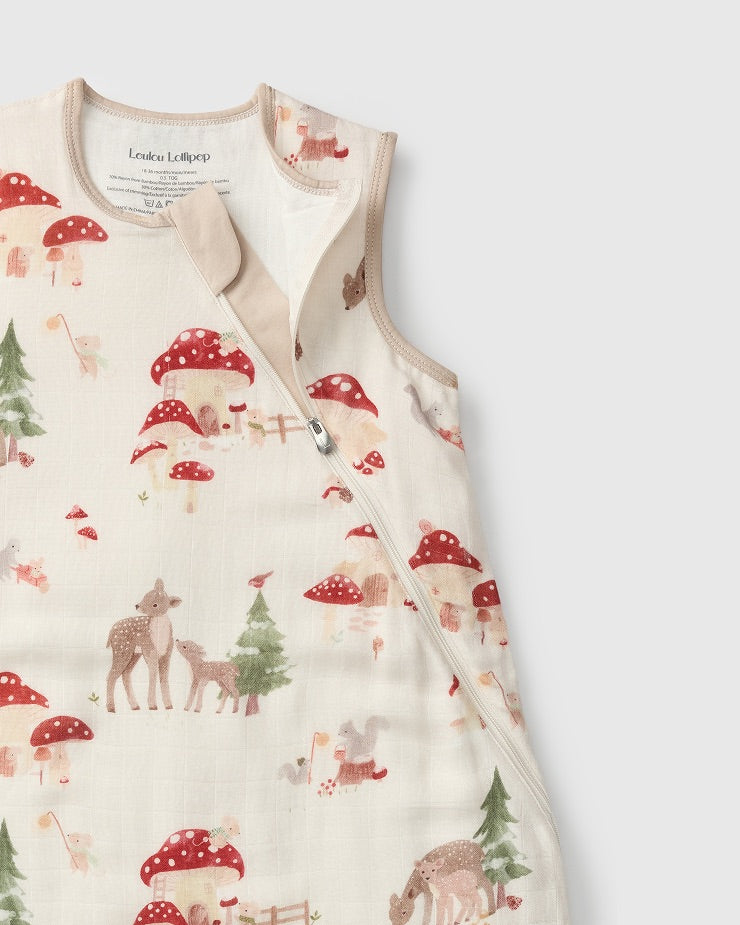
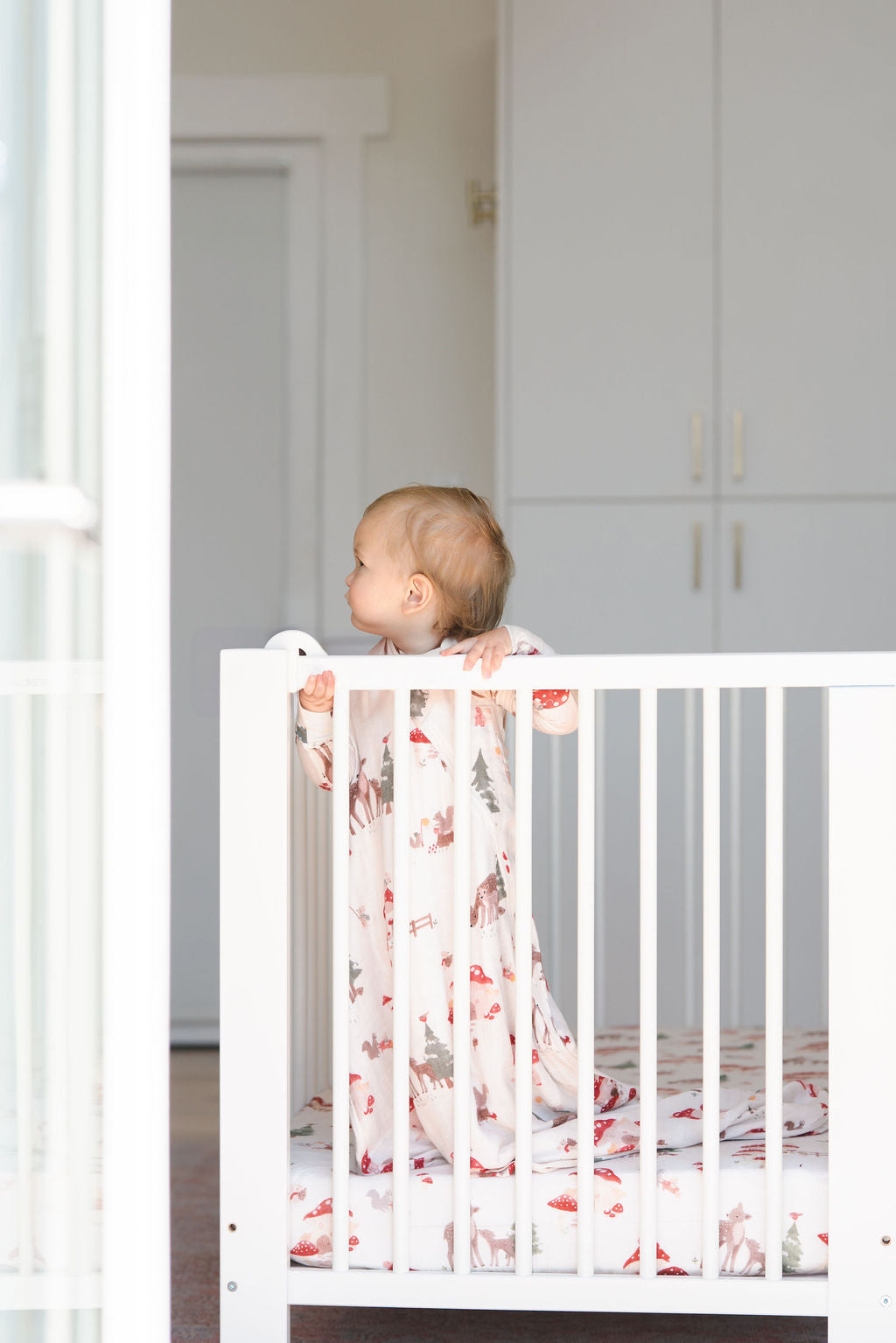
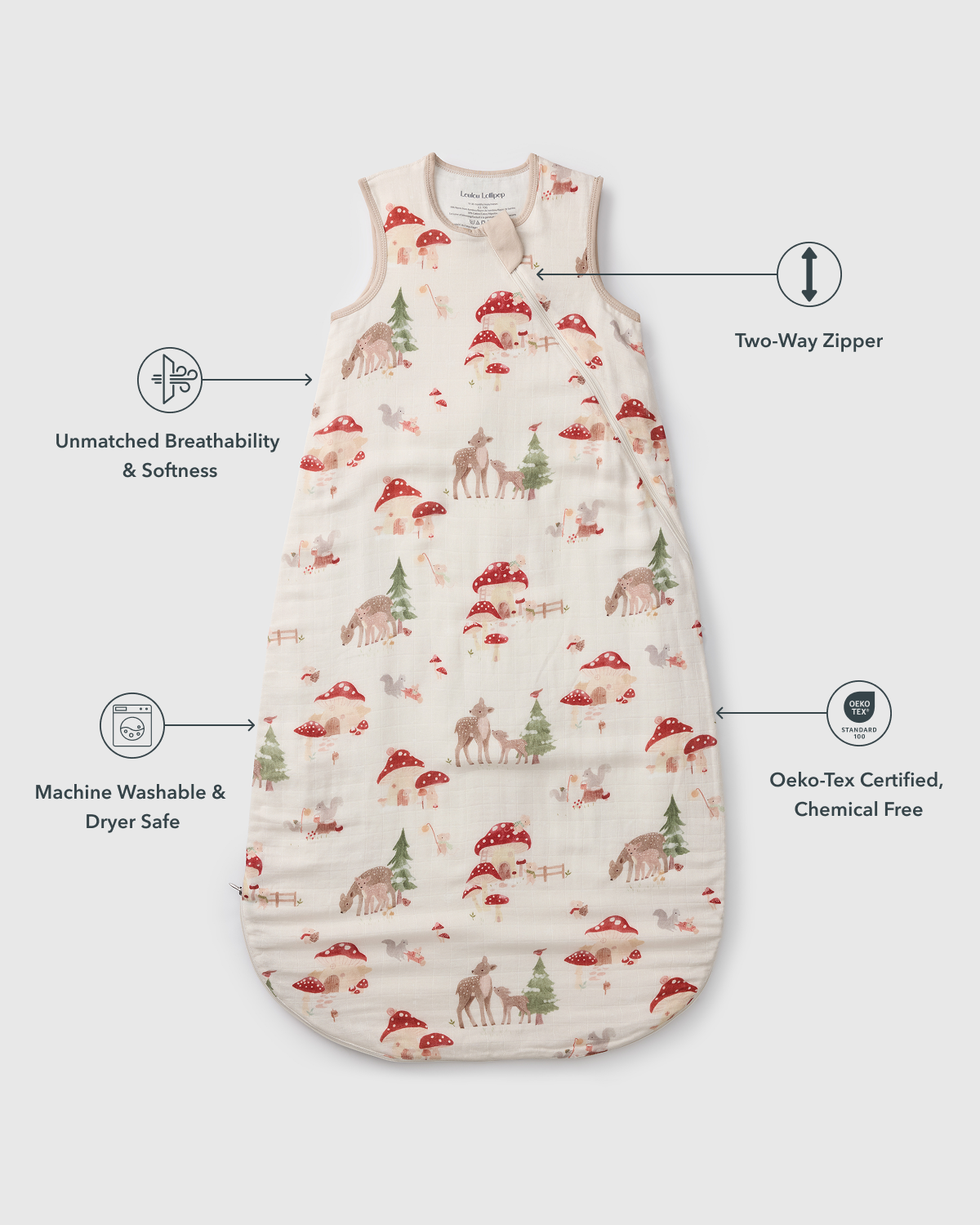


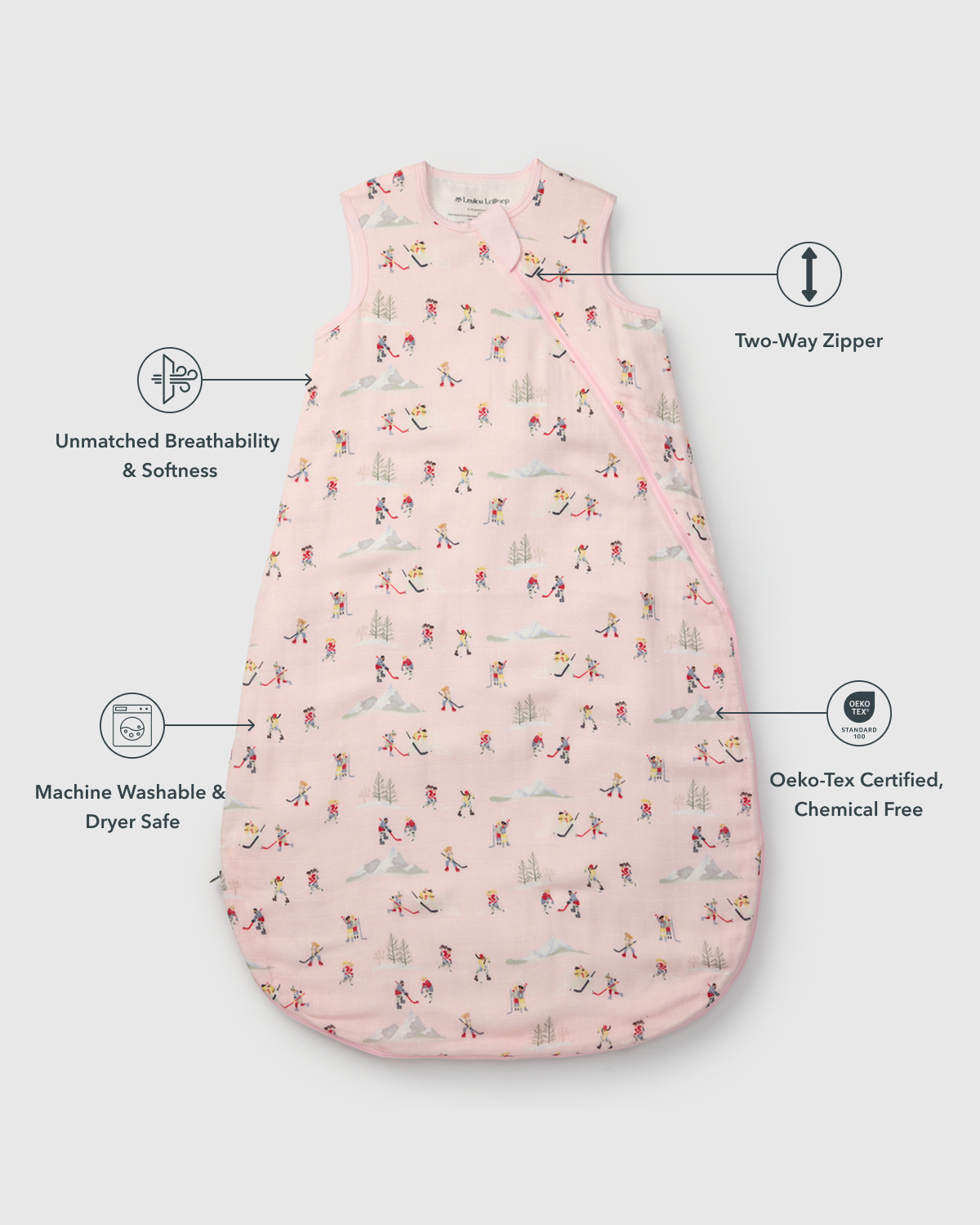
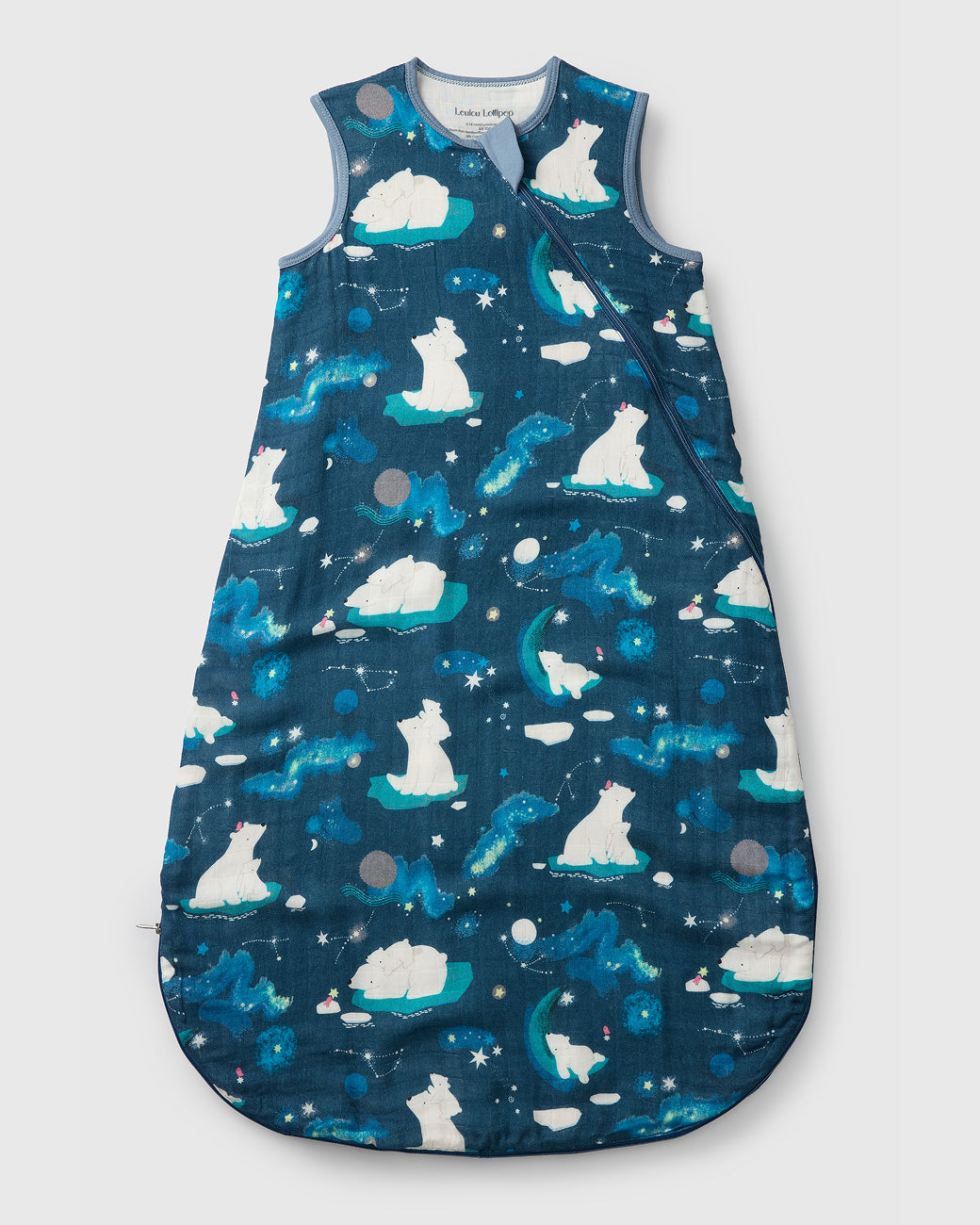

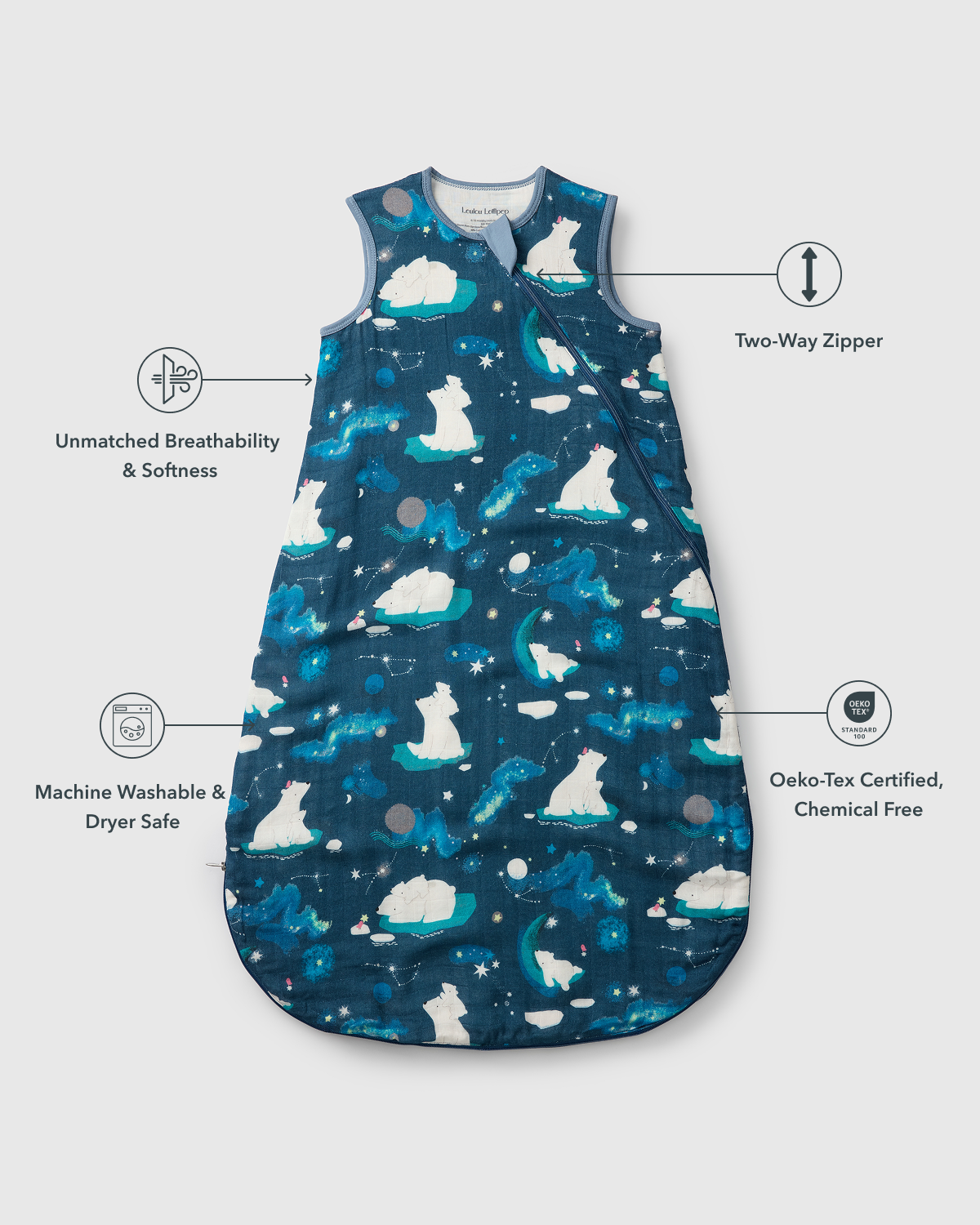
Aucune gigoteuse de cette taille n'est en stock dans cette épaisseur pour le moment.
Vérification du confort : la poitrine et le ventre de bébé doivent être chauds et secs, ni moites, ni en sueur, ni froids. Les mains et les pieds sont plus frais et ne sont pas un bon indicateur. Si la température de la pièce change selon les saisons, ajustez la couche portée en dessous avant de changer d'indice TOG.
Quelle taille de gigoteuse me faut-il?
Les gigoteuses sont offertes en trois tailles : 0–6 mois, 6–18 mois et 18–36 mois. L'âge sur l'étiquette est une indication approximative : les bébés du même âge varient beaucoup. Mesurez plutôt votre bébé.
| Taille | Grandeur | Poids |
|---|---|---|
| 0–6 mois | 23–26" 58–66 cm | 10–16 lb 4,5–7,3 kg |
| 6–18 mois | 26–34" 66–86 cm | 16–26 lb 7,3–11,8 kg |
| 18–36 mois | 34–40" 86–102 cm | 26–40 lb 11,8–18,1 kg |
Si votre bébé se situe entre deux tailles, fiez-vous au poids plutôt qu'à l'âge indiqué. Le poids permet de mieux prévoir l'ajustement à la poitrine et aux épaules, la partie de la gigoteuse qui doit être parfaitement ajustée.
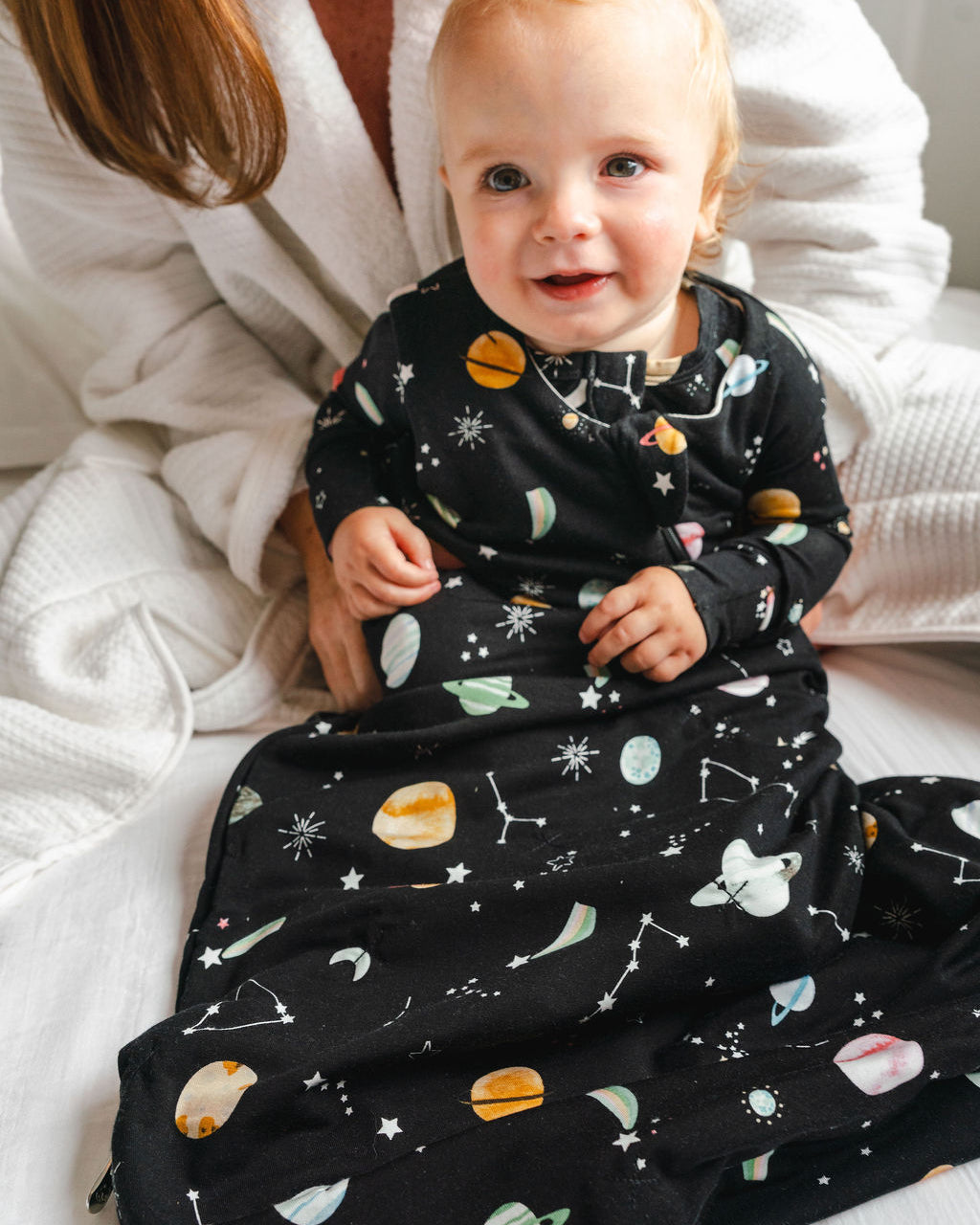
L'ajustement idéal : près du corps en haut, ample en bas. L'ouverture du cou et les emmanchures doivent être assez petites pour que bébé ne puisse pas glisser à l'intérieur de la gigoteuse, et le bas doit être assez large pour que les hanches et les jambes bougent librement. C'est pourquoi acheter une taille plus grande « pour qu'il grandisse dedans » n'est pas le choix sécuritaire qu'il semble être.
Magasiner les gigoteuses
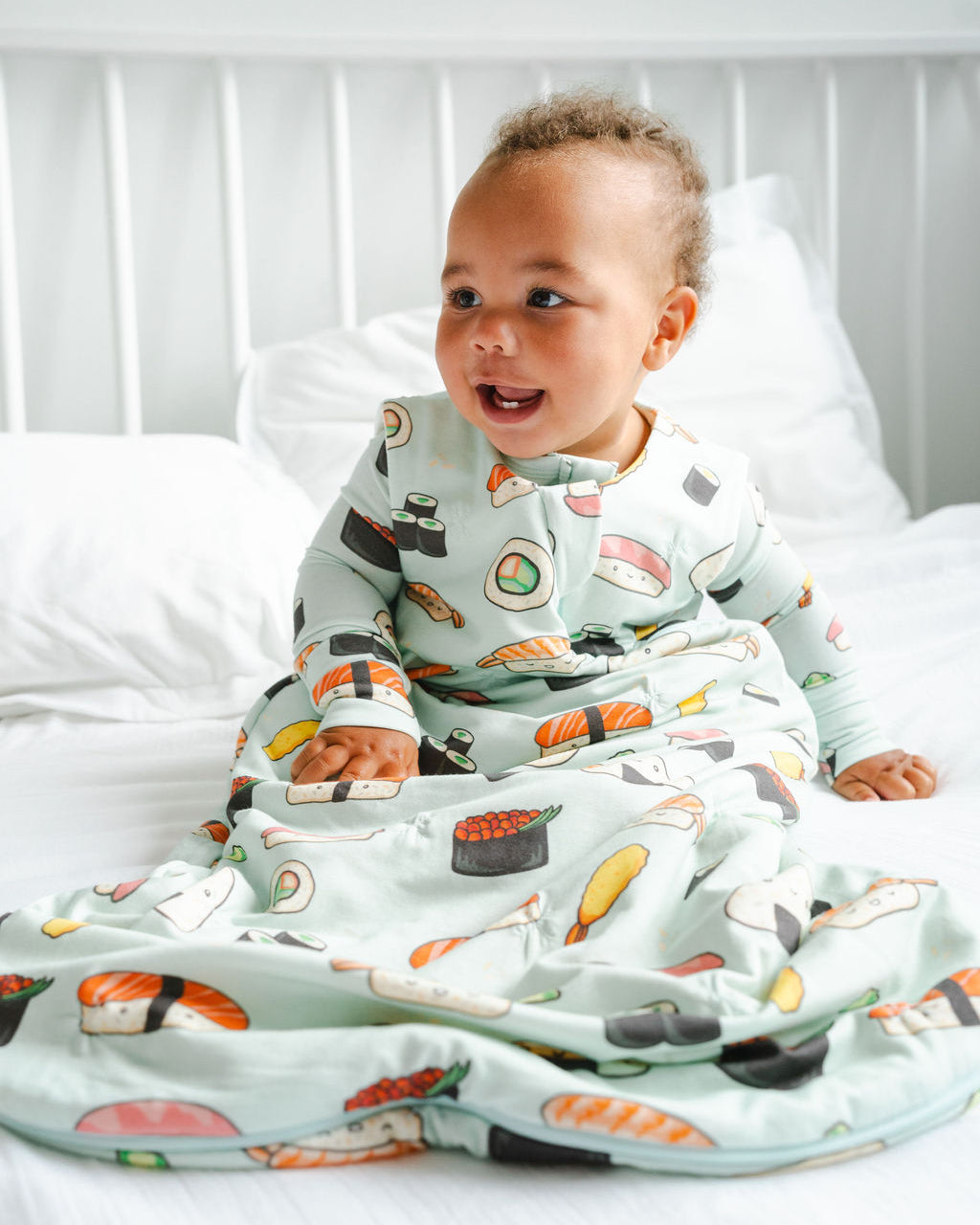
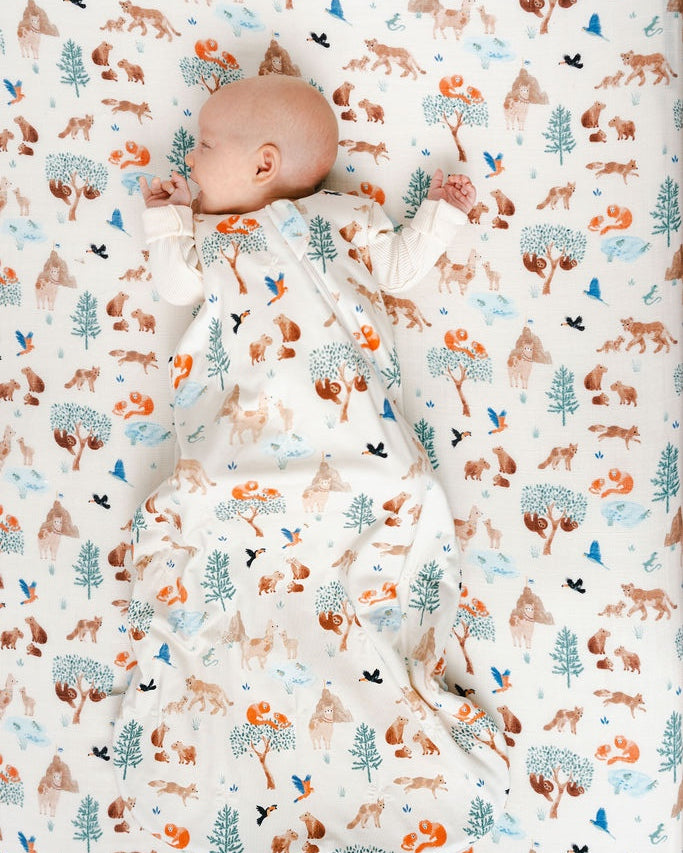
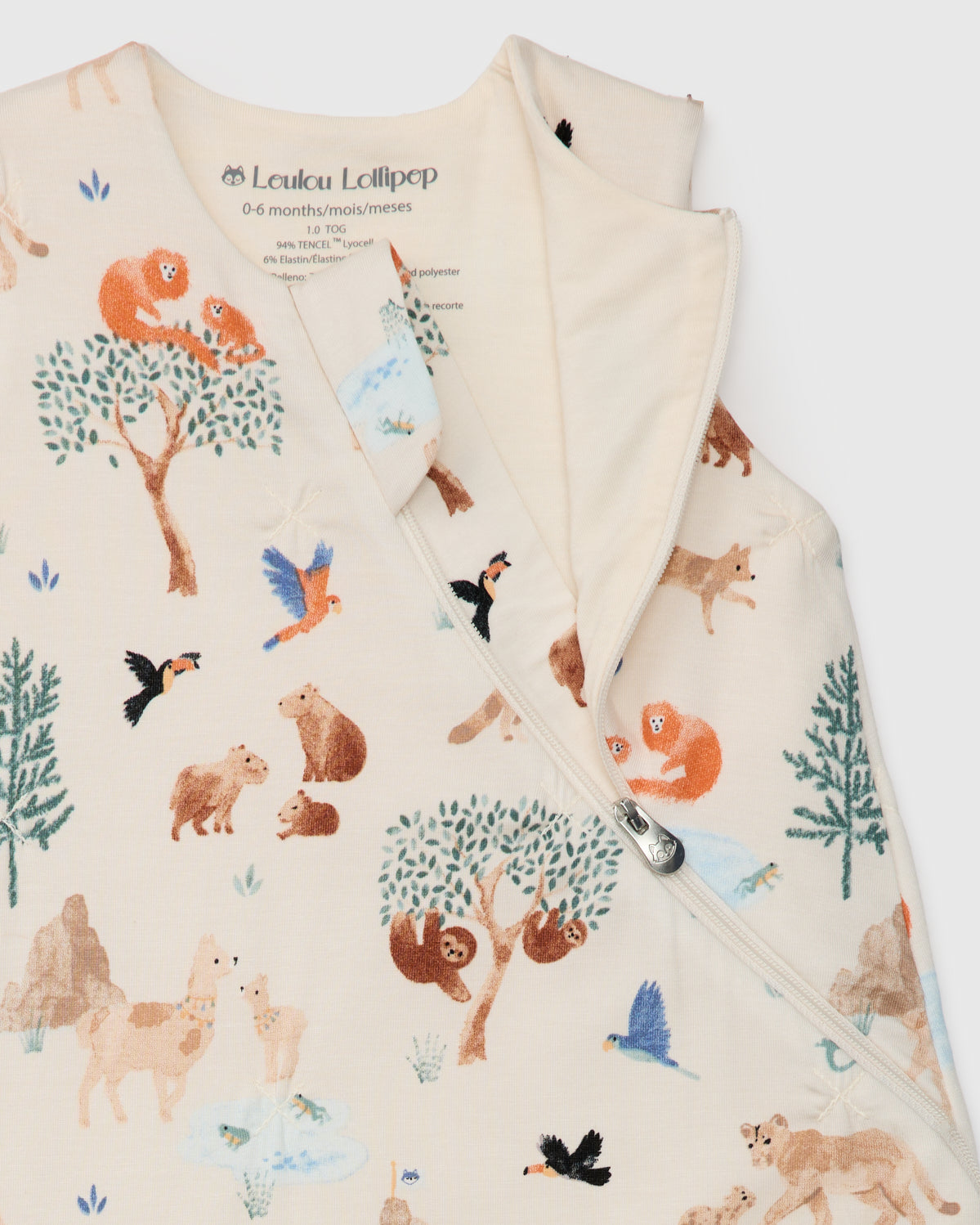
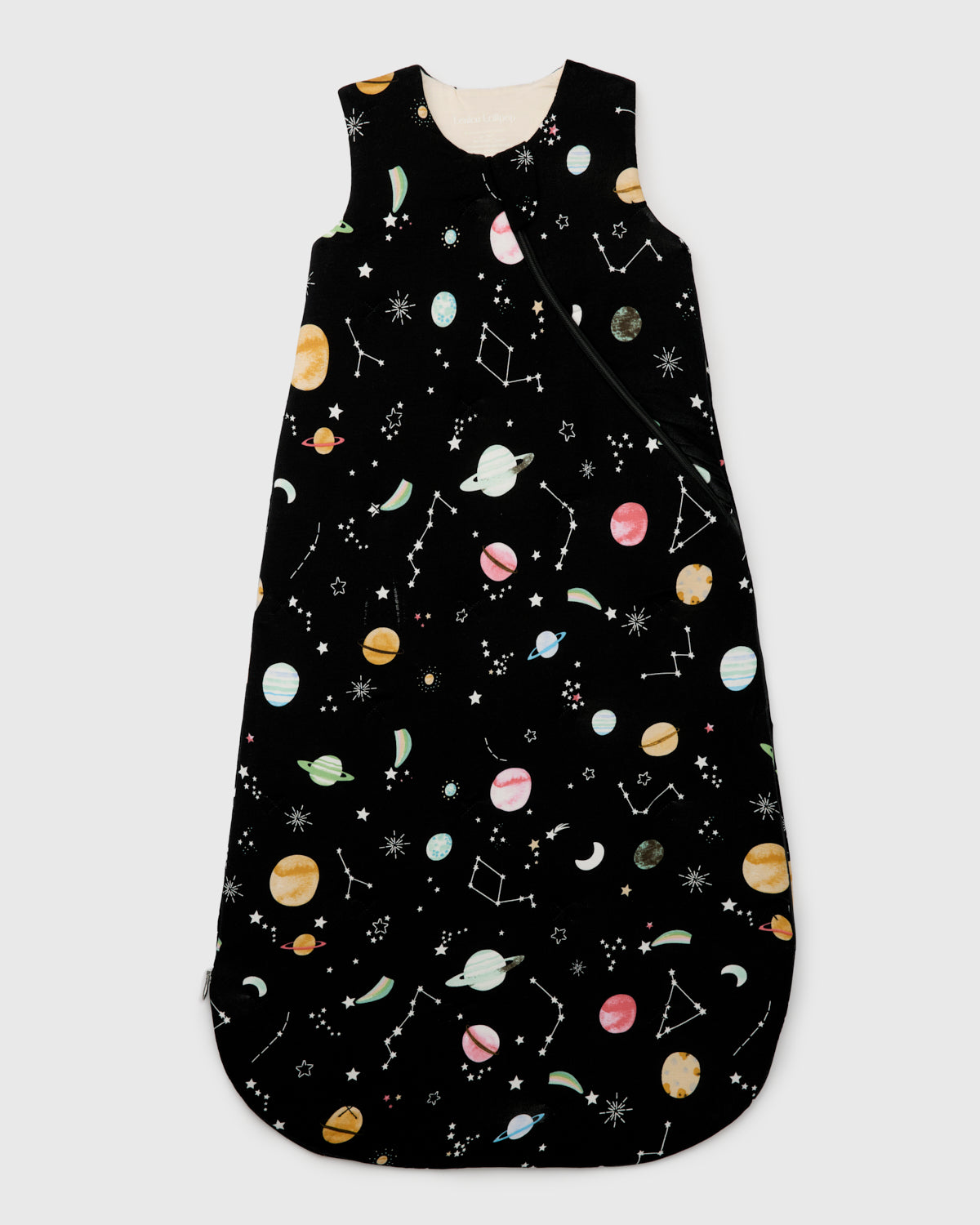
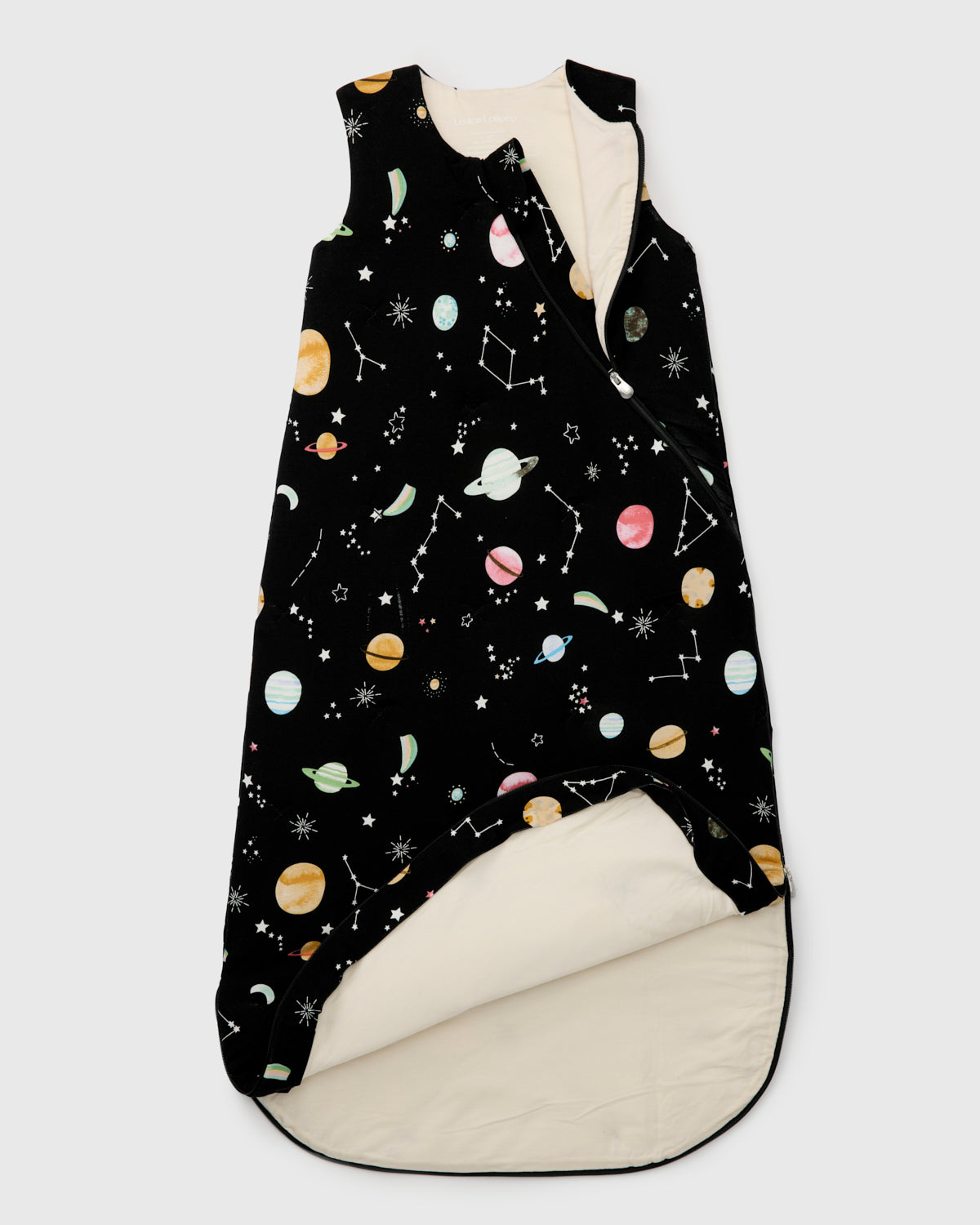
Vous savez ce qu'il vous faut? Tous les imprimés et toutes les tailles, en TENCEL™ Lyocell d'une douceur exceptionnelle ou en viscose de bambou Tanboocel® respirante, avec la fermeture à glissière à deux sens que les parents réclament.





Pourquoi le TENCEL™ pour les bébés

Les bébés transpirent. Beaucoup. Ils ne peuvent pas réguler leur température corporelle comme les adultes, et de mauvais vêtements de nuit aggravent le problème : tissu moite, nuits agitées, parents debout à 2 h du matin avec un bébé bien réveillé.
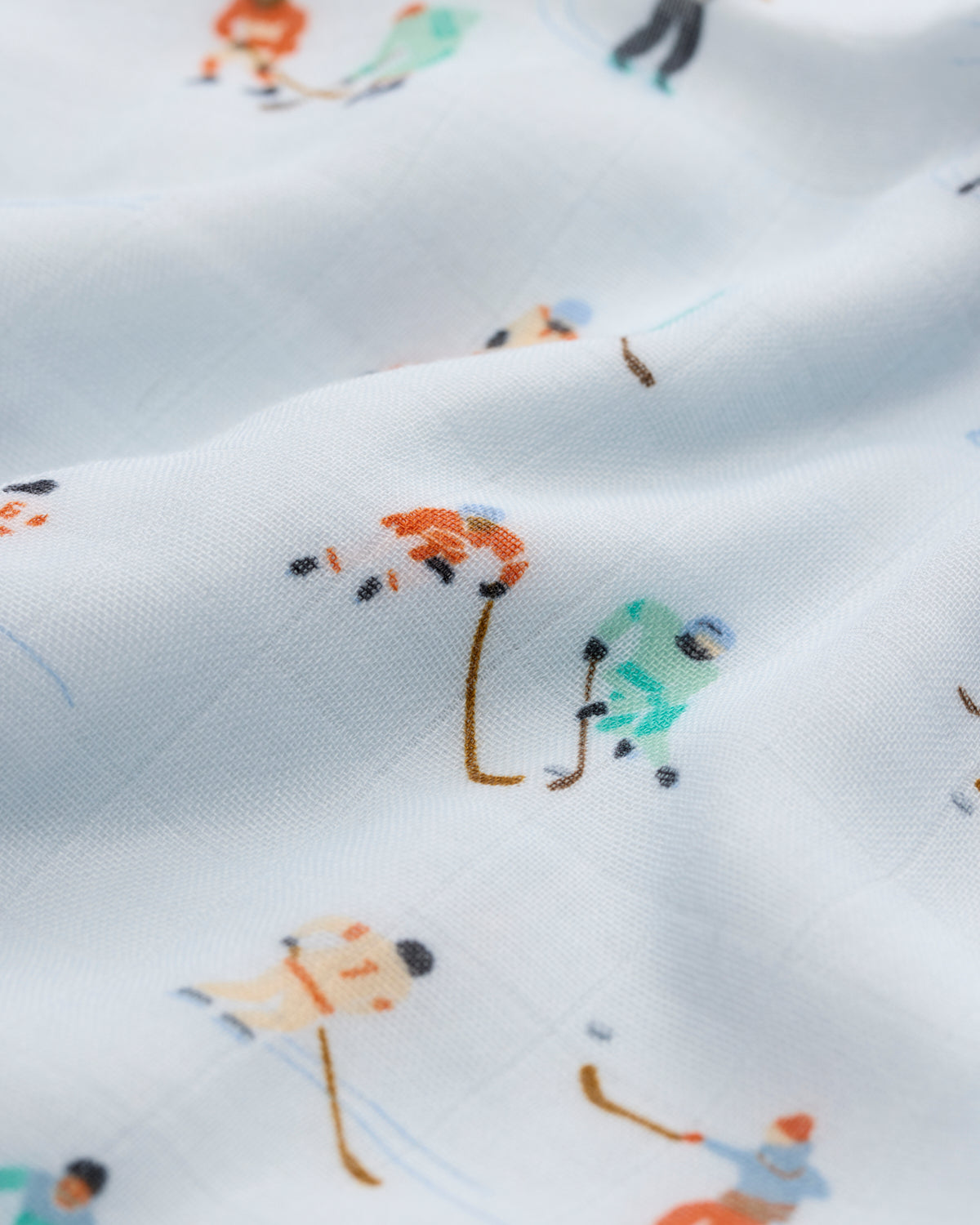
Le TENCEL™ Lyocell règle un vrai problème. C'est une fibre botanique faite de pulpe de bois d'eucalyptus, et des tests indépendants montrent qu'il absorbe l'humidité environ 50 % plus efficacement que le coton. Quand le coton devient humide, il colle à la peau. Le TENCEL continue d'évacuer l'humidité. Cette différence compte quand bébé porte le même vêtement pendant 10 à 12 heures.
Régule la température dans les deux sens
Frais en été, chaud en hiver, sans épaisseur.
Reste sec contre la peau
Moins de sueur emprisonnée, c'est moins de réveils causés par l'inconfort.
Doux pour les peaux sujettes à l'eczéma
La National Eczema Society considère le TENCEL, comme le coton, adapté aux peaux sensibles. La surface lisse de la fibre crée moins de friction.
Production en circuit fermé
99 % du solvant utilisé est recyclé. Moins d'eau et moins de déchets que le coton conventionnel.
Gigoteuse ou couverture libre
Les couvertures libres sont la norme depuis des générations. Voici comment elles se comparent vraiment.
| Gigoteuse Loulou Lollipop | Couverture libre | |
|---|---|---|
| Se porte sur le corps | Oui : enveloppe bébé de façon sécuritaire | Non : reste lâche autour de bébé toute la nuit |
| Reste en place toute la nuit | Toujours : impossible à repousser | Souvent repoussée, bébé se réveille froid |
| Contrôle de la température | Indice TOG adapté à la température de la pièce | Aucun contrôle : trop chaud ou trop froid |
| Tissu lâche dans le lit | Aucun | Oui : se froisse et bouge pendant le sommeil |
| Type de tissu | TENCEL™ Lyocell : évacue l'humidité et respire | Généralement synthétique ou coton traité |
| Tailles pour bébés | Oui : 0–6 mois, 6–18 mois et 18–36 mois | Taille unique : pas conçue pour les nourrissons |
Les gigoteuses sont-elles sécuritaires?
Une gigoteuse est une couverture qui se porte. Elle garde bébé au chaud sans rien laisser de lâche dans le lit, et c'est justement la raison pour laquelle les recommandations pédiatriques la conseillent.
Les recommandations 2022 de l'American Academy of Pediatrics sur le sommeil sécuritaire sont claires : si vous craignez que bébé ait froid, vous pouvez l'habiller en couches ou utiliser une couverture qui se porte. Ces mêmes recommandations précisent qu'un bébé n'a besoin que d'une couche de plus que ce que vous porteriez dans le même environnement pour être confortable, et déconseillent les couvertures d'emmaillotage lestées, les gigoteuses lestées et les objets lestés placés sur ou près d'un bébé qui dort. Aucune de nos gigoteuses n'est lestée.
Les règles qui comptent, chaque nuit :
- Sur le dos, sur une surface ferme et plane. Une gigoteuse ne change rien à cela : bébé se couche toujours sur le dos, dans un lit ou un moïse conforme aux normes de sécurité actuelles.
- Rien d'autre dans le lit. Un drap ajusté et la gigoteuse. Pas d'oreillers, de bordures de protection, de cale-bébés ni de couvertures libres.
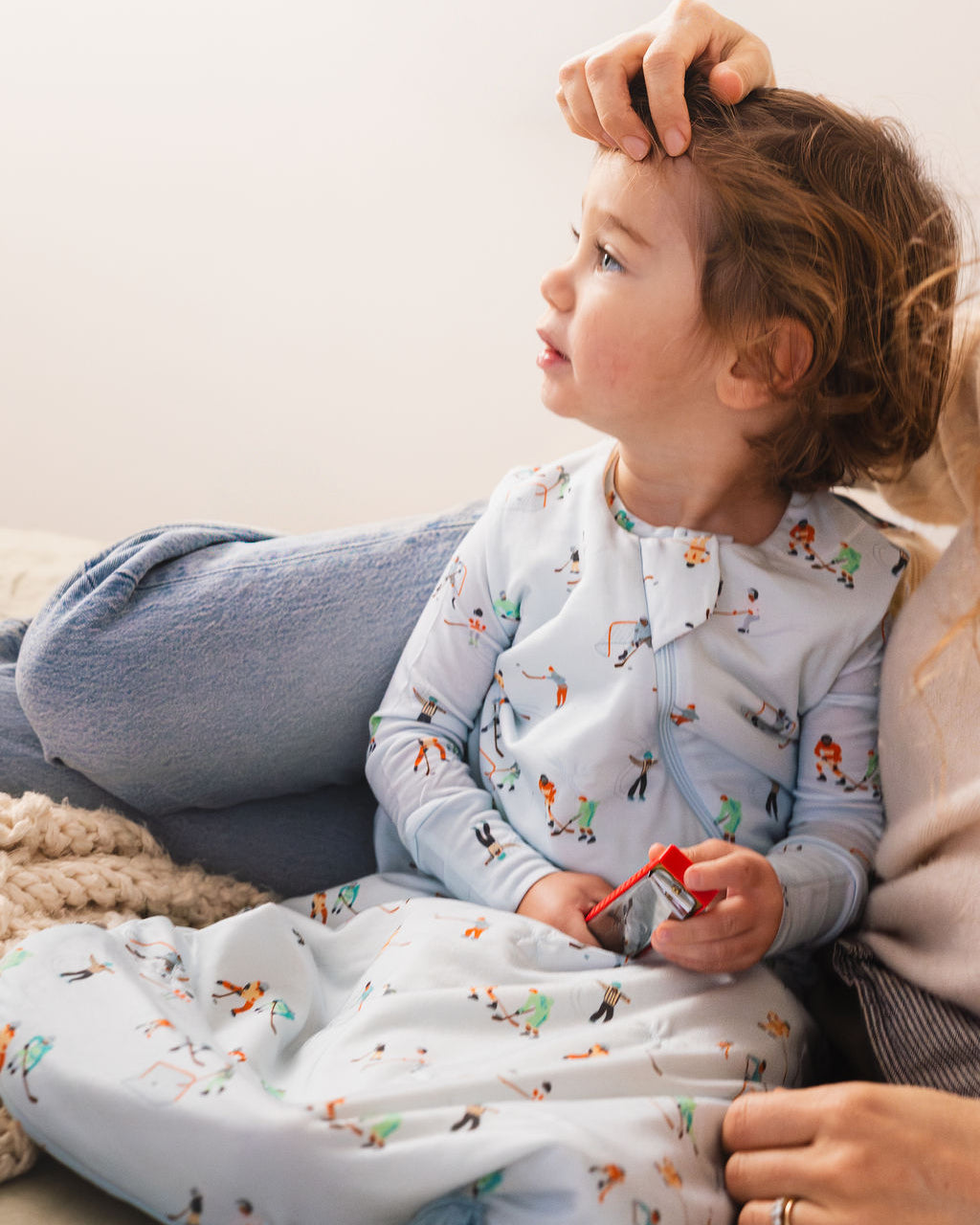
- Sécuritaire une fois que bébé se retourne. Les gigoteuses laissent les bras libres; contrairement à une couverture d'emmaillotage, il n'est donc pas nécessaire d'arrêter de l'utiliser quand bébé commence à se retourner. Le fait de se retourner est habituellement le signal pour passer de l'emmaillotage à la gigoteuse.
- Près du corps en haut, ample en bas. L'ouverture du cou et les emmanchures doivent être assez petites pour que bébé ne puisse pas glisser à l'intérieur; le bas doit être assez large pour que les hanches et les jambes bougent librement.
- Ne superposez pas trop de couches. Vérifiez la poitrine ou le dos de bébé : ils doivent être chauds et secs, ni humides ni brûlants. Les mains et les pieds sont plus frais et ne sont pas un bon indicateur.
Ces renseignements sont d'ordre général et ne constituent pas un avis médical. Pour des conseils propres à votre bébé, parlez-en à votre pédiatre ou à votre infirmière de santé publique. Les recommandations complètes sont publiées par l'American Academy of Pediatrics sur healthychildren.org.

Chaque détail, chaque nuit
Chaque gigoteuse Loulou Lollipop est conçue autour des détails qui font une vraie différence à 2 h du matin.
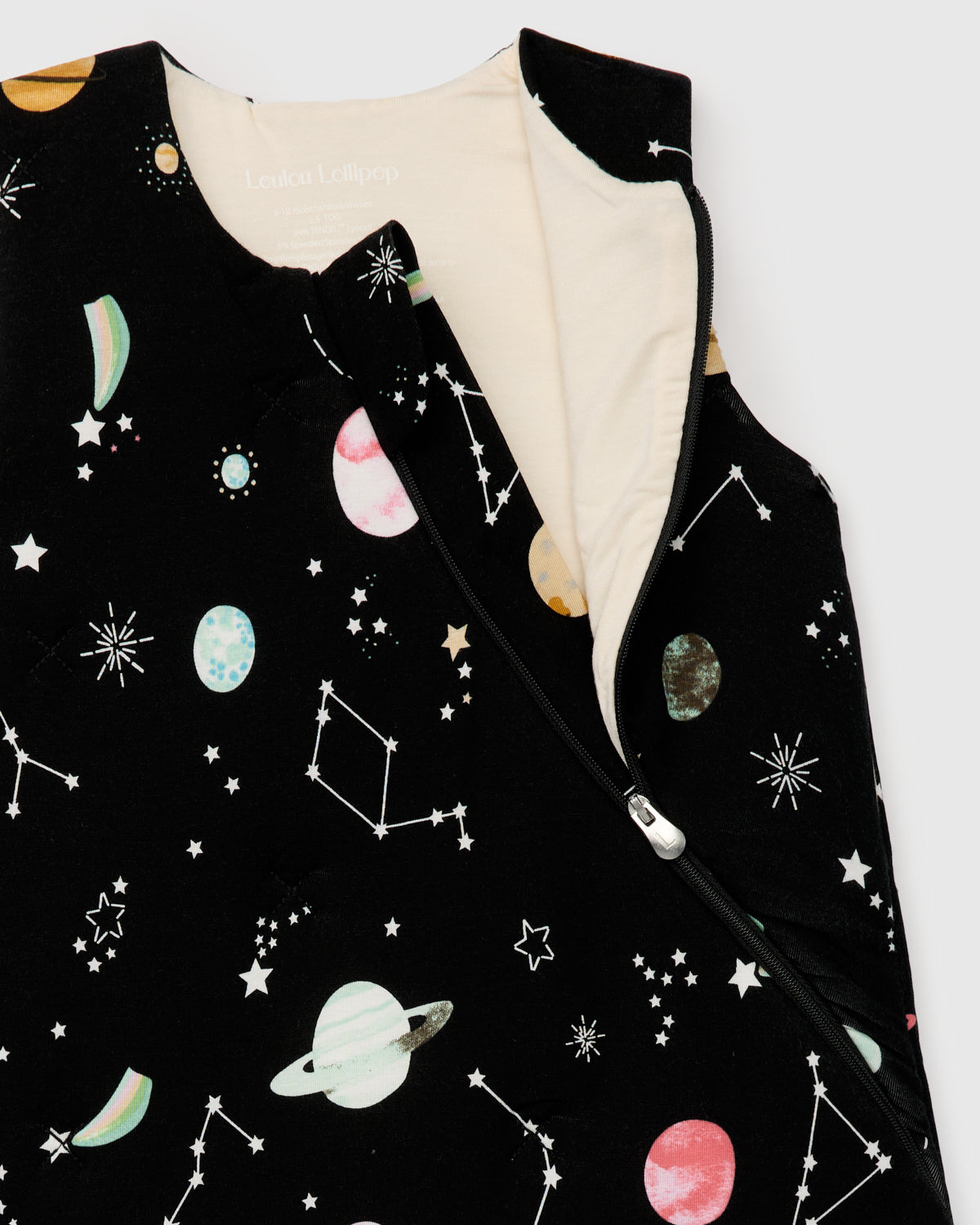
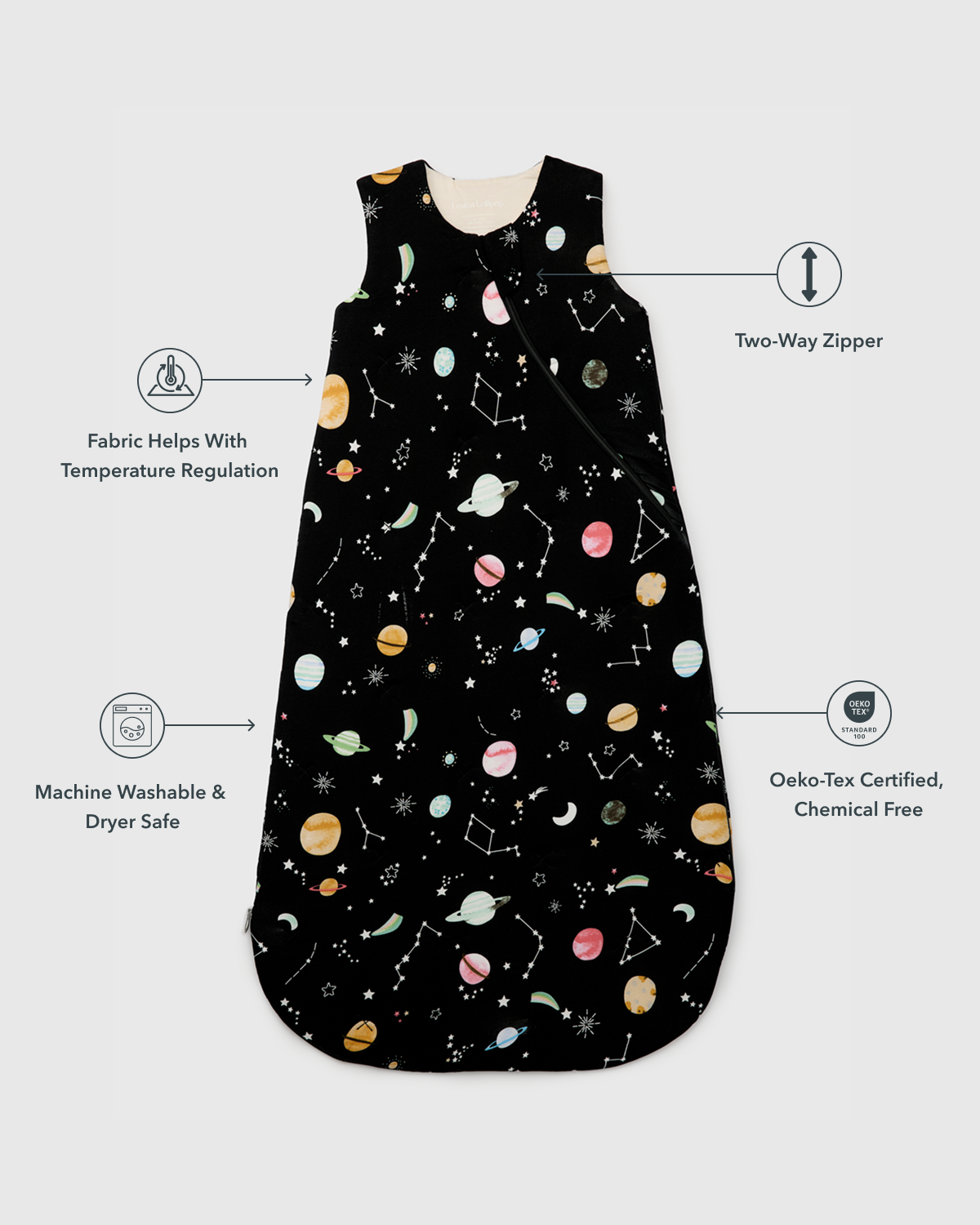
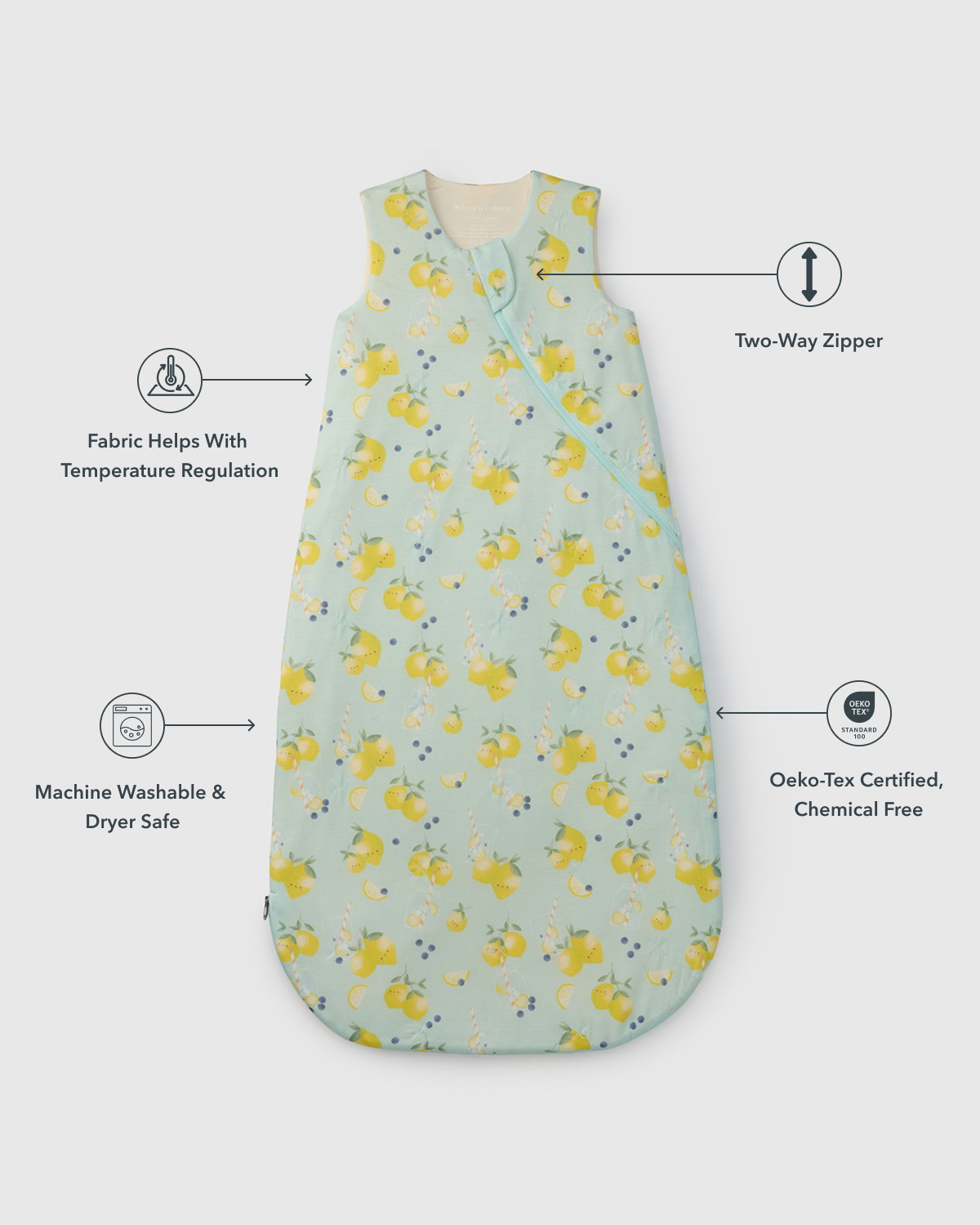
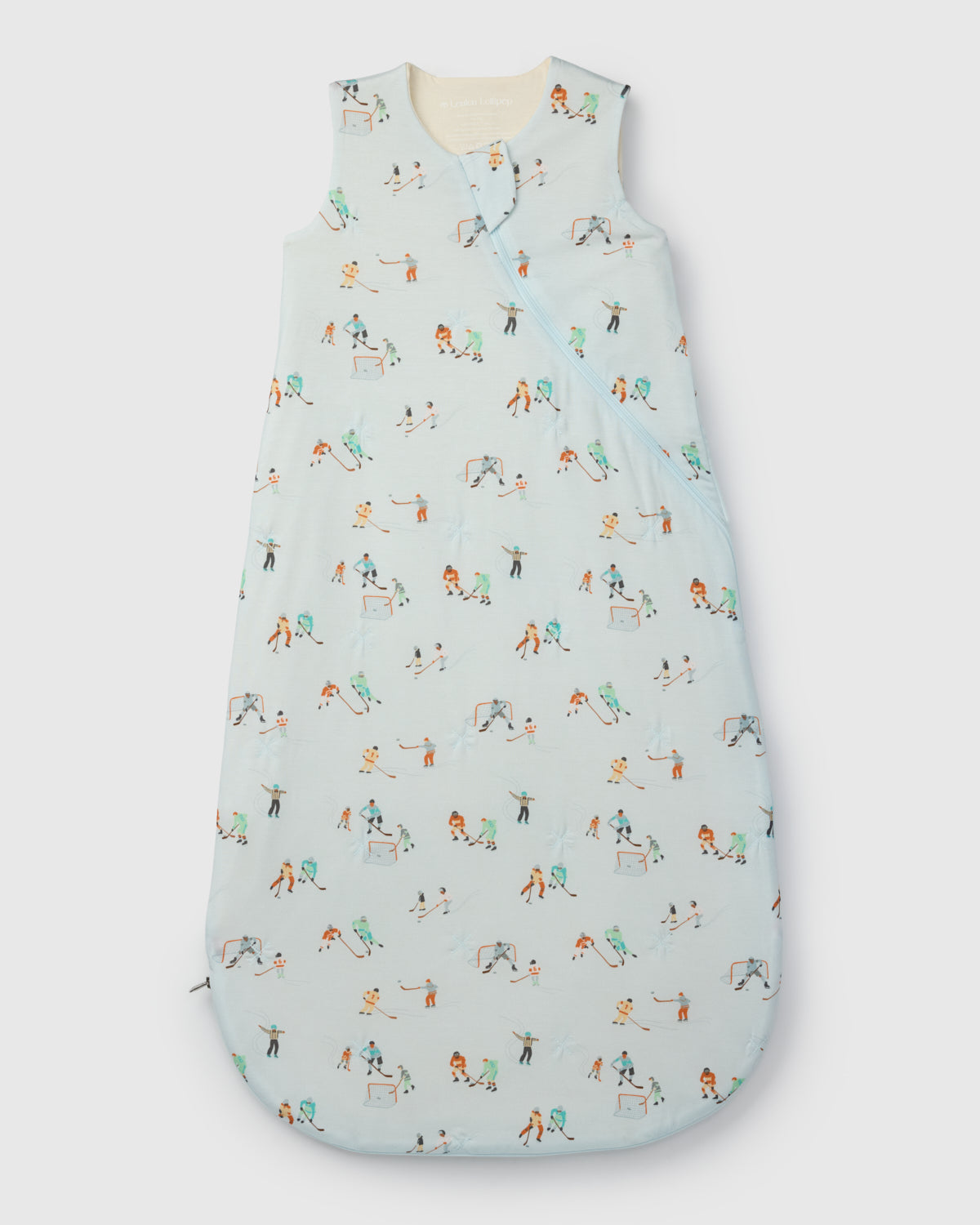
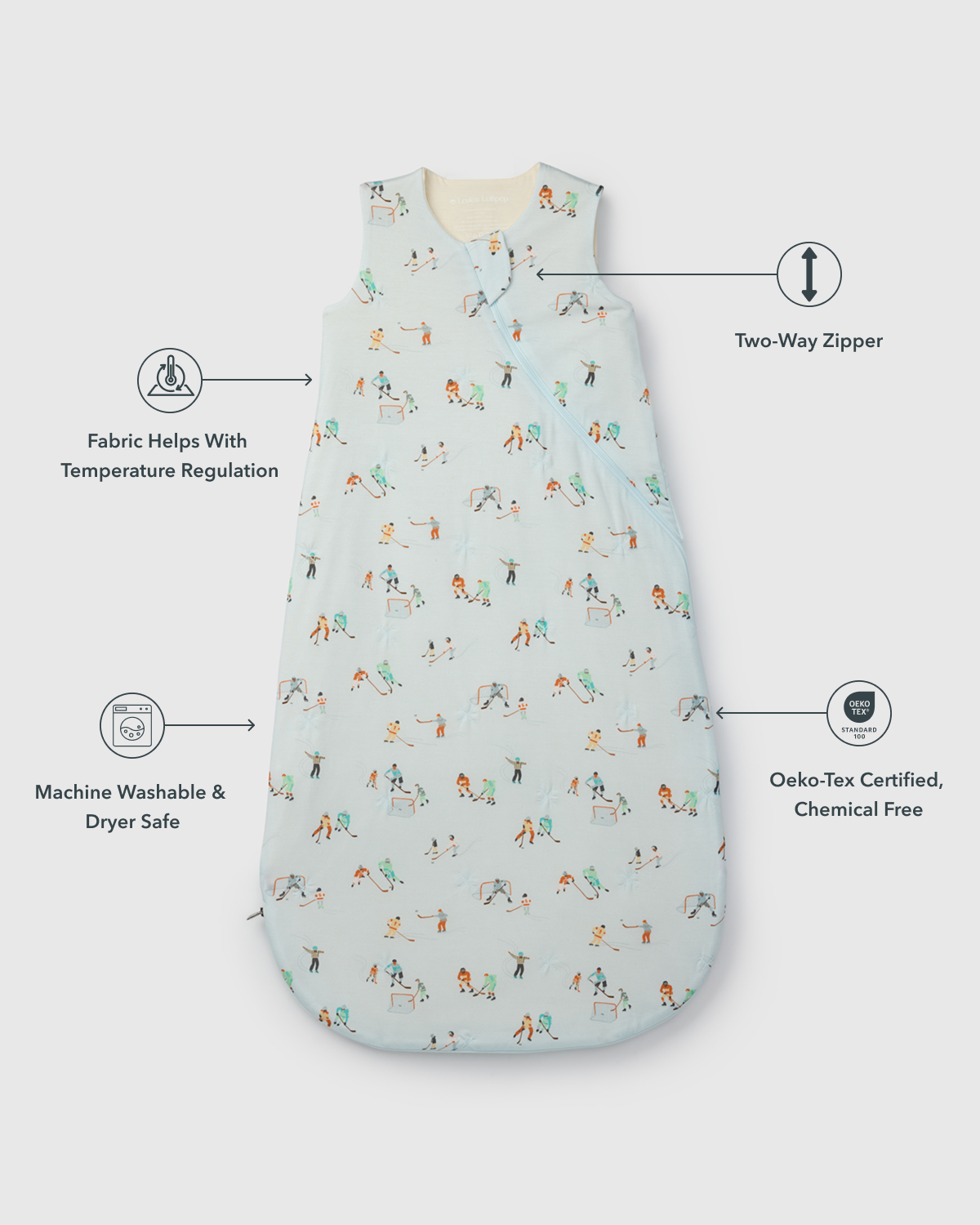
- Fermeture à glissière à deux sens : s'ouvre par le bas pour des changements de couche rapides, sans devoir sortir bébé complètement
- Sans manches : les bras bougent librement pour des positions de sommeil naturelles
- Coutures cachées et protège-glissière : doux contre la peau délicate, sans points de friction
- Se porte sur le corps : reste en place toute la nuit, sans tissu lâche qui se froisse ou se déplace
- Indices TOG de 0,5, 1,0 et 2,5 : adaptés à la température de la pièce pour que bébé n'ait jamais trop chaud ni trop froid
Économisez avec un ensemble de départ pour le sommeil
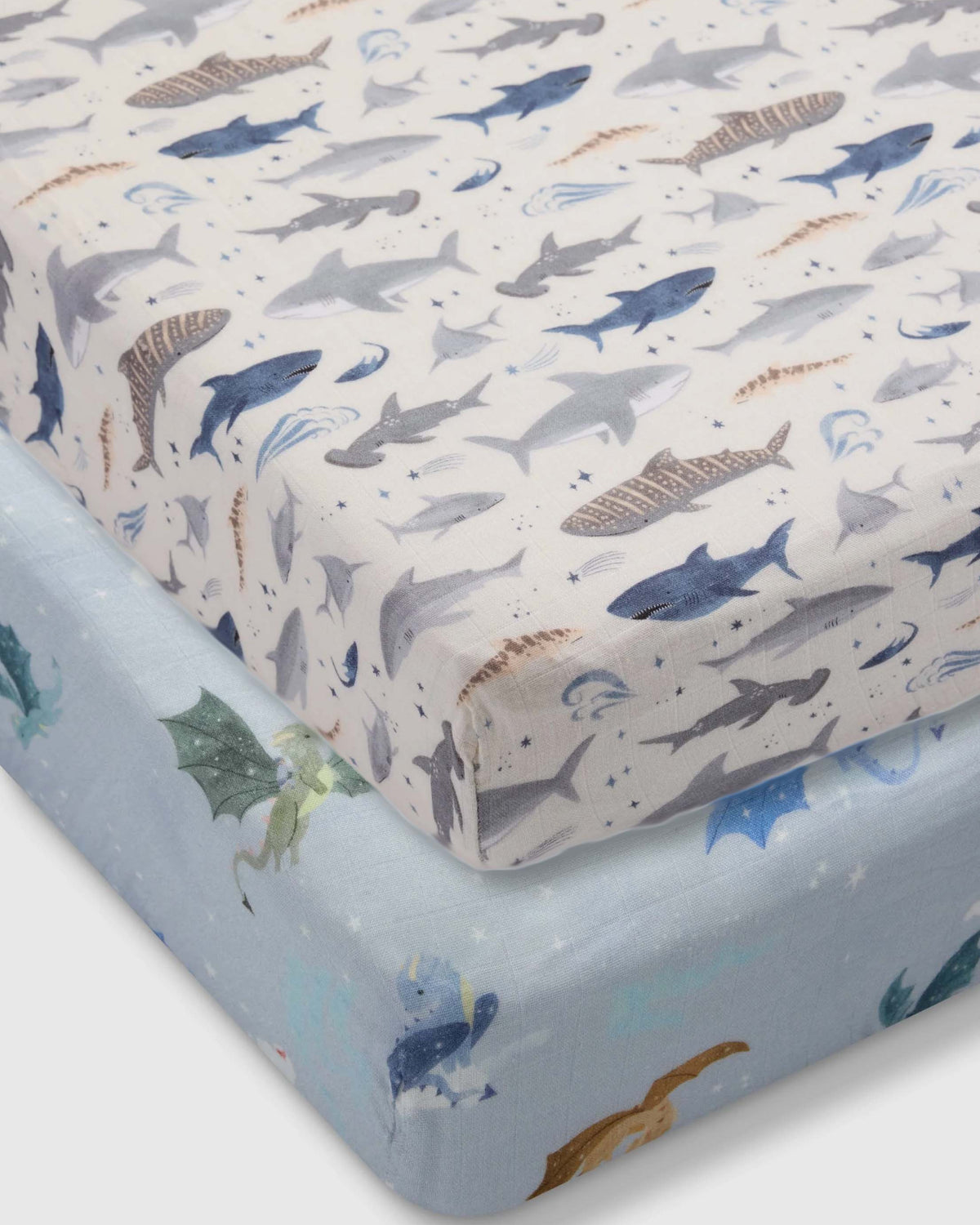
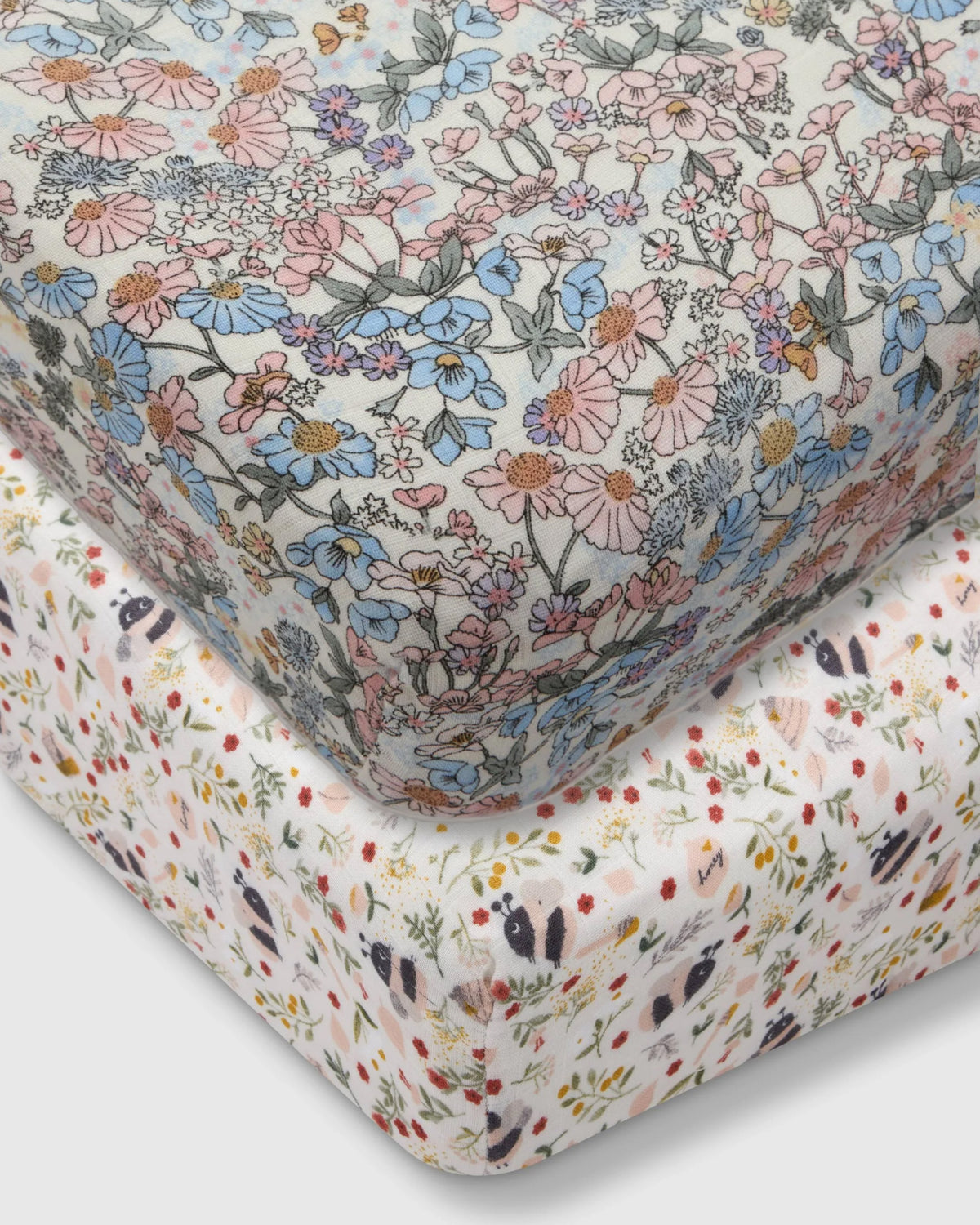
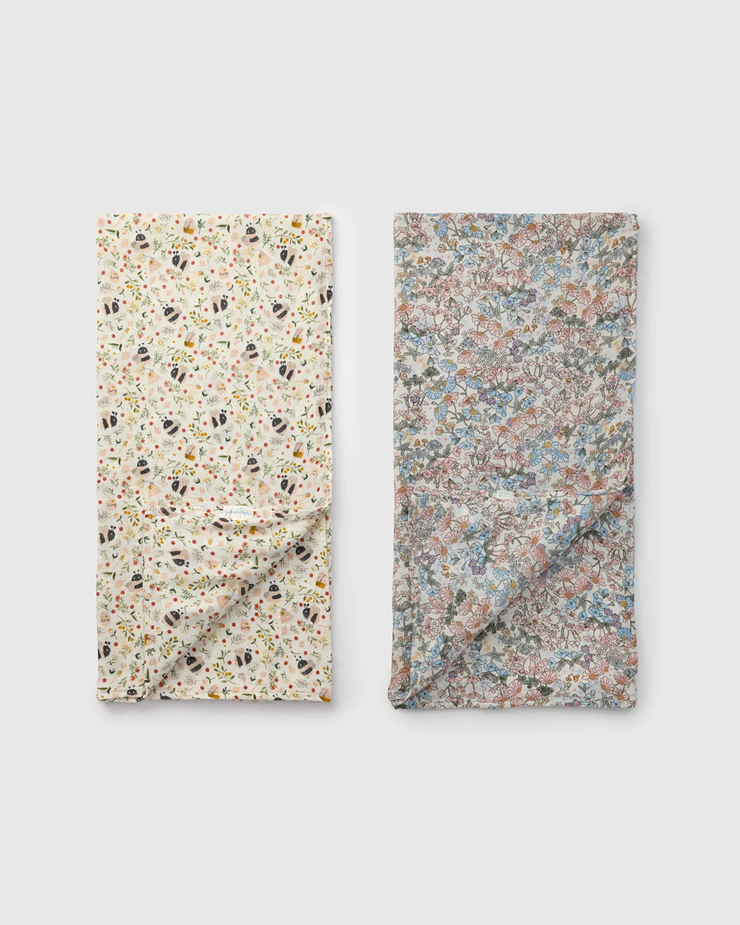
Associez la gigoteuse à la couverture d'emmaillotage et au drap ajusté que bébé utilisera vraiment. Même imprimé, parfaitement coordonné.

Entretien et tailles
Comment laver une gigoteuse?
Laver à la machine à l'eau froide au cycle délicat. Sécher par culbutage à basse température ou suspendre pour sécher. Pas de javellisant ni d'assouplissant : l'assouplissant enrobe les fibres et réduit la capacité du TENCEL™ à évacuer l'humidité.
Quelle taille choisir?
Les gigoteuses se choisissent selon la grandeur et le poids, pas l'âge : consultez le tableau des tailles sur cette page ou sur n'importe quelle page de produit pour les mesures exactes. Si votre bébé se situe entre deux tailles, fiez-vous au poids plutôt qu'à l'âge indiqué. L'ajustement qui compte est en haut : le cou et les emmanchures doivent être assez ajustés pour que bébé ne puisse pas glisser à l'intérieur, avec beaucoup d'espace pour gigoter en bas.
Quel indice TOG me faut-il?
0,5 TOG pour les pièces de 24 °C et plus. 1,0 TOG pour une utilisation toute l'année dans les pièces de 20 à 24 °C. 2,5 TOG pour les pièces fraîches sous 20 °C ou l'hiver. Vérifiez toujours la température de la pièce avant d'habiller bébé pour dormir.
Questions fréquentes
À quel âge bébé peut-il commencer à utiliser une gigoteuse?
Dès la naissance. Notre plus petite gigoteuse est la 0–6 mois, qui convient aux bébés de 23 à 26 po et de 10 à 16 lb. Consultez le tableau des tailles sur cette page pour confirmer que votre bébé est dans la bonne plage, et assurez-vous que l'ouverture du cou est assez ajustée pour qu'il ne puisse pas glisser à l'intérieur.
Le TENCEL™ convient-il aux bébés à la peau sensible?
Oui. Le TENCEL™ Lyocell a une structure de fibre lisse et continue qui reste à plat contre la peau : moins de friction et moins d'irritation que le coton ou les tissus synthétiques. Sa capacité à évacuer l'humidité aide aussi à garder la peau sèche toute la nuit, ce qui compte pour les bébés qui dorment de 10 à 12 heures dans le même vêtement.
Mon bébé peut-il porter une dormeuse sous la gigoteuse?
Oui, c'est ce que font la plupart des parents. Une dormeuse ajustée en TENCEL™ sous une gigoteuse 1,0 TOG est la combinaison la plus courante. Évitez de superposer trop de couches : une couche de plus que ce qu'un adulte porterait est une bonne règle de base.
Les gigoteuses conviennent-elles aux bébés qui font de l'eczéma?
Selon de nombreux parents de bébés sujets à l'eczéma, oui. La structure lisse de la fibre de TENCEL™ Lyocell réduit la friction contre la peau, et sa capacité à évacuer l'humidité garde la peau sèche toute la nuit : deux facteurs importants pour les bébés à la peau sensible ou réactive. Parlez-en à votre pédiatre pour la situation particulière de votre enfant.
Comment le TENCEL se compare-t-il au coton pour les bébés?
Pour les vêtements de bébé, le TENCEL™ Lyocell surpasse le coton en absorption de l'humidité : des tests indépendants montrent qu'il absorbe environ 50 % plus d'humidité que le coton. Sa structure de fibre naturellement lisse lui permet aussi de rester doux lavage après lavage, sans boulocher ni devenir rêche. Le coton a tendance à devenir plus raide et plus rugueux avec le temps. Pour les bébés qui portent le même vêtement toute la nuit, la différence se voit vite.